
Last updated November 23, 2026
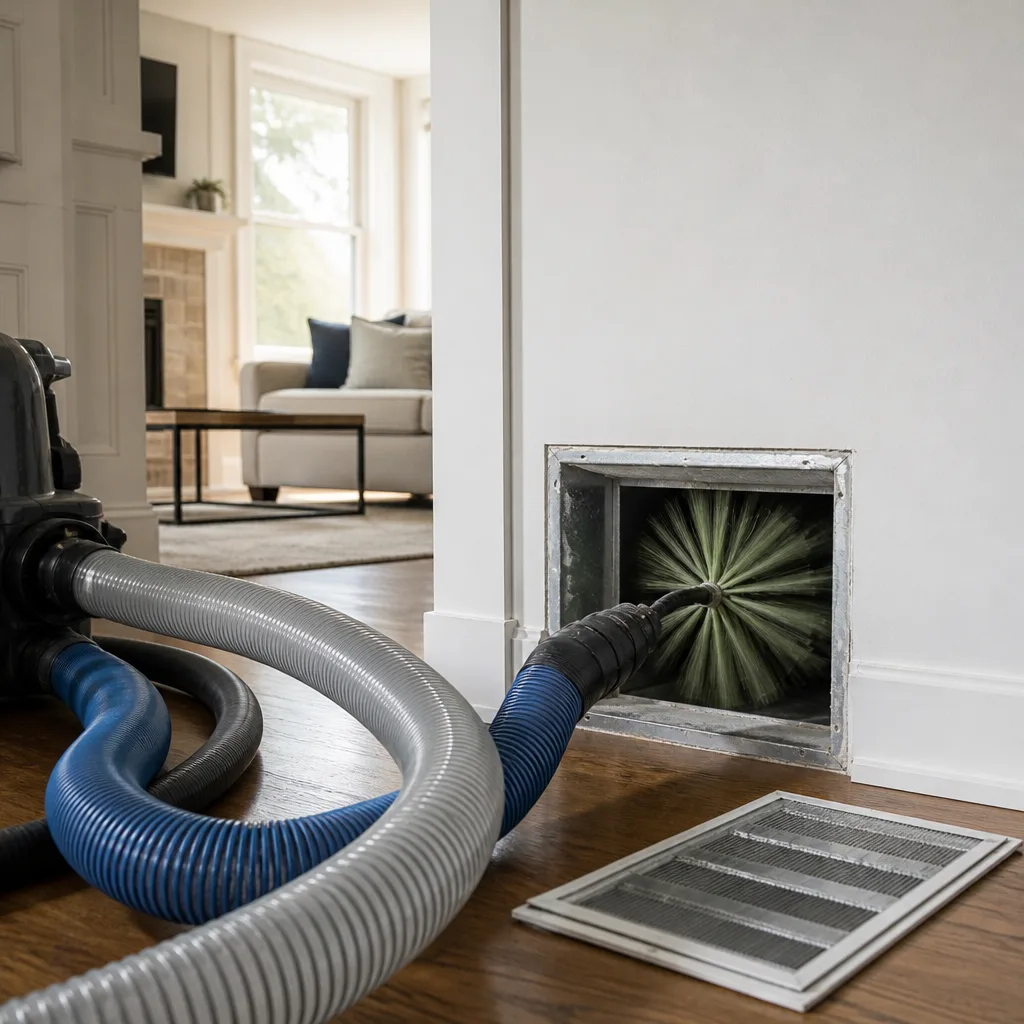 Whole-home duct cleaning
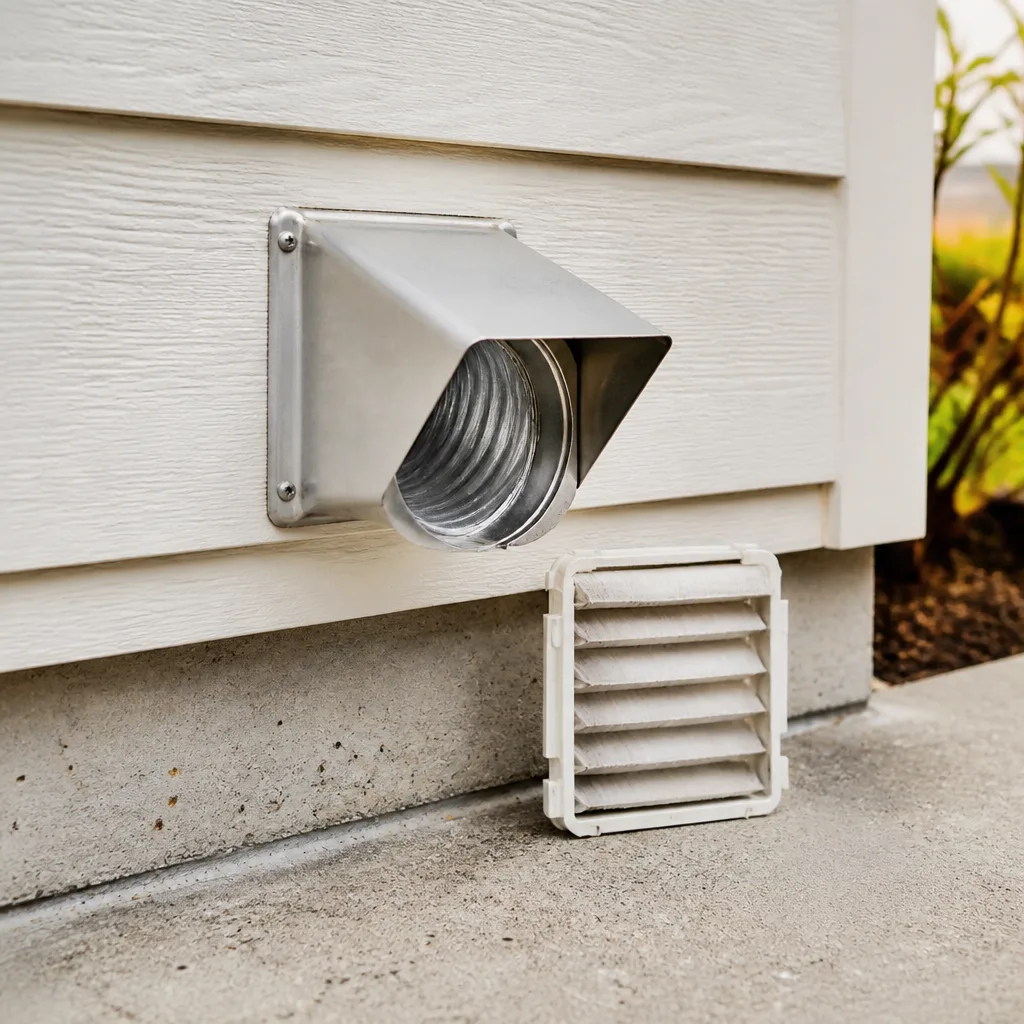 Dryer vent cleaning
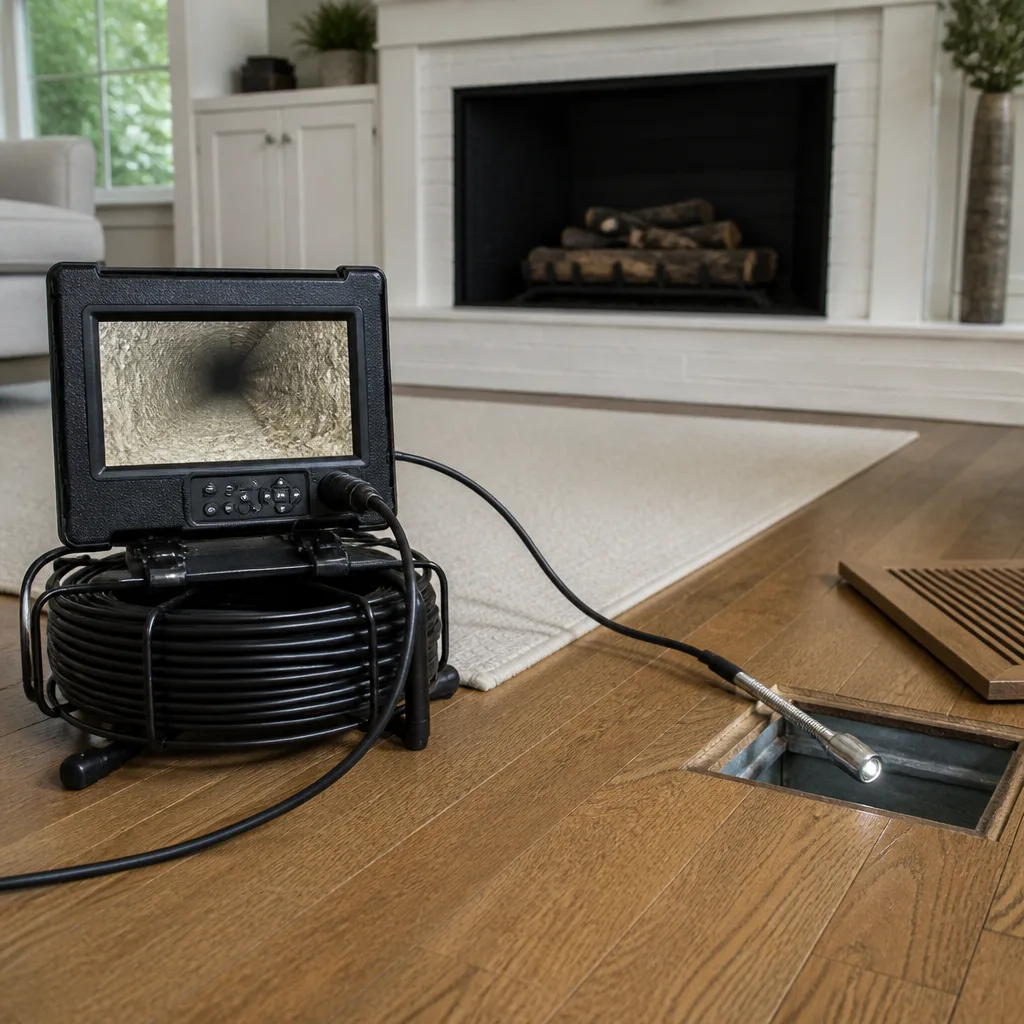 Camera inspection
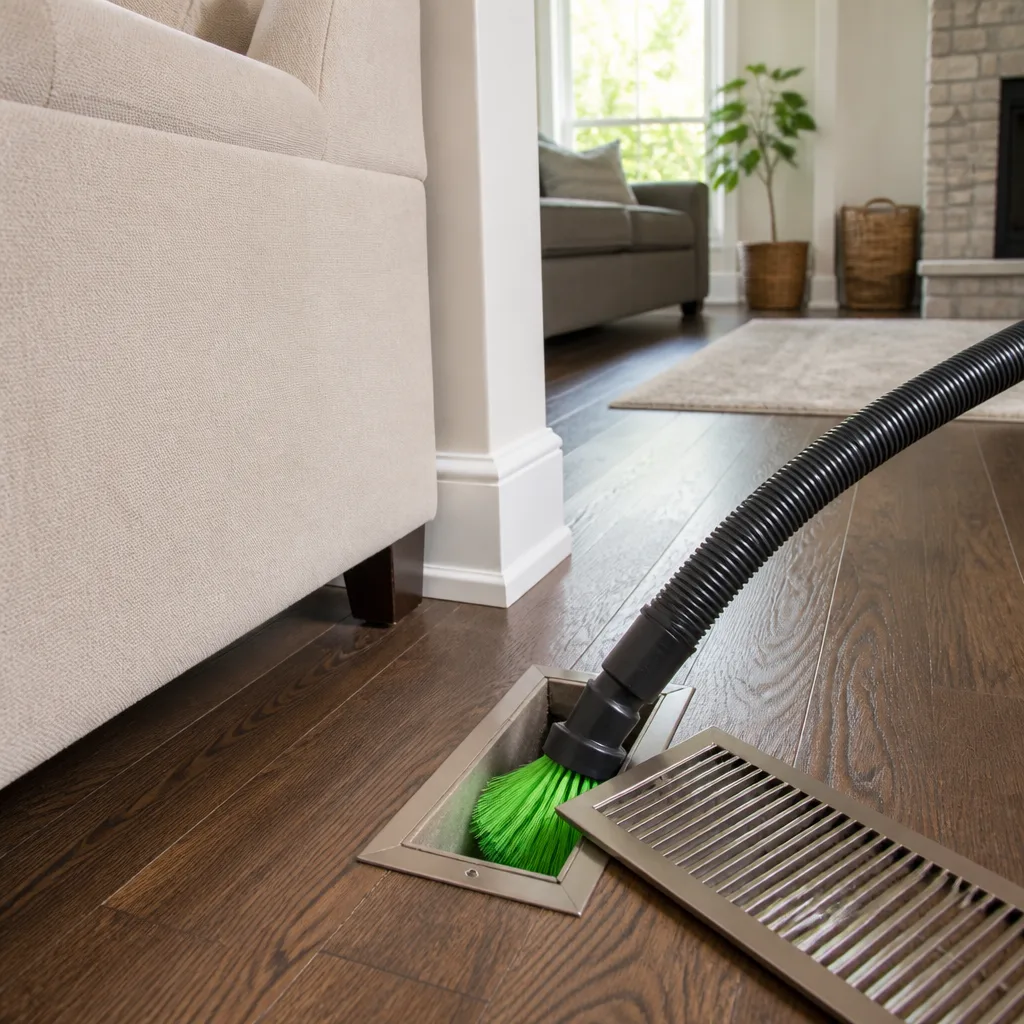 Sanitizing & deodorizing
Whole-system duct and dryer vent check with before-and-after photos - you see exactly what came out of your vents
That "$99 whole-house special" is a bait ad - the real number appears once they are in your hallway, or the "clean" is a shop-vac at the register. We photograph the inside of your ducts before and after instead.
Air Duct Cleaning Emergency Preparedness Guide for Bellevue Homes
Most homeowners treat duct cleaning as a chore that can wait until the reminder on the calendar comes around. Here in Bellevue, that assumption breaks down under three specific conditions: wildfire smoke season, a significant earthquake event, and the kind of atmospheric river flooding that has become a regular winter pattern in the Pacific Northwest. After the 2020 and 2021 wildfire smoke events, area HVAC contractors reported a surge in what’s called filter bypass contamination – the fine, sticky particulate that slips past filters and settles permanently into duct interiors. Homeowners who kept their systems running during code red air quality days loaded what would normally be years of fine dust into their ducts in a single week. This guide covers how to recognize when your duct system needs emergency attention versus routine scheduling, what to do immediately after a smoke, seismic, or flood event, and how to document everything for an insurance claim.
Quick Answer
A duct system needs emergency attention when it is actively introducing contaminants into your indoor air – not just when it’s overdue for cleaning. In Bellevue, that typically means after a wildfire smoke event where the system ran continuously without upgraded filtration; after any earthquake where crawl space duct runs may have shifted, cracked, or separated from HVAC equipment; or after crawl space flooding that submerged or saturated flexible duct for more than 24 hours. If you’re uncertain, a professional inspection of filter bypass condition, flexible connector integrity, and evidence of moisture intrusion is the only way to know for certain.
Styles & brands we work with
- Whole-home duct cleaning
- Dryer vent cleaning
- Camera inspection
- Sanitizing & deodorizing
Table of Contents
- Post-Wildfire Protocol: When to Shut Down and When to Restart
- Earthquake Response Checklist for Duct Systems
- Crawl Space Flooding: The 48-72 Hour Mold Window
- Emergency vs. Deferred: A Decision Framework
- What to Document for an Insurance Claim
- What a Professional Inspection Should Include
- Understanding Filter Bypass Contamination
- Why Bellevue Homes Are Particularly Vulnerable
Post-Wildfire Protocol: When to Shut Down and When to Restart
The instinct during a smoke event is to keep the system running so you can filter the air inside. That’s the right instinct with the wrong execution if your system isn’t set up for it. Standard residential filters rated MERV 8 or lower do not capture PM2.5 smoke particulate efficiently. What they do capture builds up quickly, and what they don’t capture passes through and coats the interior of your duct runs. In tight, well-sealed Bellevue homes in neighborhoods like Bridle Trails and Cougar Mountain, the system becomes the primary path for smoke to enter and stay.
Here’s how to handle the sequence thoughtfully:
- Before smoke arrives: Upgrade to the highest MERV-rated filter your HVAC system can handle without restricting airflow, and check that it seats tightly with no visible gaps around the frame. Gaps are where bypass contamination starts.
- During a severe smoke event: If you’ve upgraded filtration and the filter seats correctly, running the system on low fan with the outdoor air intake closed is reasonable. If you haven’t upgraded, shutting the system off and sealing obvious air leaks is safer than pulling smoke through uncleaned ducts.
- Immediately after the event: Replace the filter. Then inspect the filter slot for dust streaks past the filter edge, which indicate bypass. Look at supply registers for visible grey or black staining.
- Before you restart in normal conditions: If you ran the system during a code red event with standard filtration, have the ducts professionally inspected before treating the system as clean. Visible surface dust on registers is only the portion you can see.
A professional inspection after smoke exposure should include filter bypass assessment using a diagnostic light or borescope at the air handler, and inspection of duct interiors near the return plenum where fine particulate concentrates first.
Earthquake Response Checklist for Duct Systems
Bellevue sits in a seismically active region. Rigid sheet metal duct is generally robust under shaking, but flexible duct in crawl spaces and attic runs is not. The connections at flexible connectors, plenum transitions, and any fabric vibration isolators are the weak points. After any noticeable shaking, the checklist below is worth working through before you operate the system normally.
- Flexible connectors at the air handler: Check for tears, separations, or fabric pulled away from its clamp. A separated connector pulls attic or crawl space air directly into the supply stream.
- Gas line proximity: Duct runs passing near gas lines in the crawl space should be visually inspected for contact or chafing. If you smell gas or hear hissing, shut off the gas at the meter, leave the home, and call your utility – this is not a duct issue and requires immediate attention.
- Displacement in crawl space runs: Flexible duct that has come off its support hangers, sagged onto the ground, or shifted position is more likely to have cracked or compressed sections that restrict airflow.
- Duct register connections: Look for registers pulled away from the wall or ceiling, or drywall cracks radiating from register openings.
- Air handler cabinet: Check that the cabinet has not shifted off its platform or pulled away from duct connections.
If any of these checks turn up damage, run the system only after repair. A disconnected flexible connector is a direct path for crawl space air – including soil gas and moisture – into your living space. Duct repair and sealing is one of the five services we provide for exactly this reason: clean ducts are only half the job if the system has open paths.
Crawl Space Flooding: The 48-72 Hour Mold Window
Atmospheric river events have become a defining feature of Bellevue winters, and crawl space flooding is the most common duct emergency we encounter in the area. When standing water contacts flexible duct – even for a few hours – the insulation surrounding the duct wicks moisture and creates a dark, humid environment on the inside face of the duct wall. Under those conditions, mold colonization can begin within 48 to 72 hours. Once mold is established inside the duct system, running the HVAC fan distributes spores throughout the home.
The response sequence matters:
- Stop running the system immediately if any flexible duct has been submerged or is visibly waterlogged. Running the fan aerosolizes moisture and any early mold growth.
- Remove standing water and begin drying the crawl space. A wet-dry vacuum and fans will help, but moisture trapped inside duct insulation will not dry through the outer jacket. It needs to be removed or replaced.
- Do not assume the duct survived because it looks dry on the outside. Insulated flex duct can hold moisture inside the insulation layer for weeks while looking intact.
- Schedule an inspection within the first 48 hours if there was any contact with standing water. Professional assessment includes moisture readings and visual inspection of interior duct surfaces using a borescope.
- If mold is confirmed, the remediation step involves duct cleaning combined with sanitizing using equipment designed for contaminant control – which is where Abatement Technologies equipment comes in with our service.
Bellevue homes on slopes near Phantom Lake and in older neighborhoods with below-grade crawl spaces are particularly vulnerable to this pattern.
Emergency vs. Deferred: A Decision Framework
The question homeowners ask most often after an event is whether they need to act immediately or can wait for a scheduled appointment. Here’s how we think about the distinction in practice.
Treat as an active air quality emergency if:
- The system was running during a smoke event and no upgraded filtration was in place.
- Flexible duct sustained water contact and has not been inspected.
- Any flexible connector at the air handler is visibly torn or separated.
- You’ve noticed a musty, wet, or earthy smell coming from supply registers – a classic sign of mold growth inside ductwork.
- Anyone in the household has developed new respiratory symptoms or allergy-like symptoms since the event.
Treat as a deferred maintenance issue if:
- A filter change interval was missed but no smoke or flood event occurred.
- You notice general dust accumulation on registers but no odor, no symptoms, and no visible displacement.
- The system has not been cleaned in several years and inspects normally on visual review.
The line between the two is whether contamination is actively being introduced into your air. When it is, delay compounds the problem. When it isn’t, a scheduled visit is fine. An inspection resolves the ambiguity quickly, and the estimate is free.
What to Document for an Insurance Claim
Most homeowner policies don’t cover duct cleaning under routine maintenance, but they often do cover duct damage or contamination that follows a covered event – water intrusion from flooding, or damage from seismic activity. Documentation is what makes that distinction possible. Capture the following before cleaning begins, not after.
- Photograph everything in place before cleanup. Standing water in the crawl space, waterlogged flexible duct, displaced hangers, torn plenum connections, register staining from smoke. Take wide shots and close-ups with a scale reference if possible.
- Photograph filter condition and the filter bypass slot. A filter completely loaded with smoke residue, photographed in place, supports the contamination claim.
- Request an air quality reading from your inspection. A professional assessment that documents elevated particulate levels before cleaning gives the claim an objective anchor.
- Get a written professional assessment report describing what was found, where, and what remediation is required. This is what insurers respond to far better than a bid.
- Keep receipts for any moisture-removal equipment you rent, any dehumidifier purchases, and any fuel used to run fans during the drying period.
- Document the timeline – when the event occurred, when you shut the system down, when you first observed damage. Insurers look for a prompt response.
We provide written documentation of findings and before-and-after photographs as part of every job so you have the material your insurer needs.
What a Professional Inspection Should Include
An inspection after an event should not be a surface scan with a flashlight. It should include measurable checks of the areas where contamination concentrates and where system integrity is most likely to fail. Here’s the standard we work to, and the questions worth asking any company you hire.
- Filter bypass assessment: The filter slot inspected with a light source or borescope to confirm that air is not bypassing the filter frame. Gaps around the filter are common and cause the majority of downstream contamination.
- Air handler and return plenum inspection: The interior surfaces of the return plenum, where fine particulate settles first, checked visually. Heavy accumulation here is diagnostic.
- Flexible connector and duct joint integrity: Every accessible flexible connector, plenum transition, and duct joint in the crawl space and attic checked for separation, cracking, or compression.
- Moisture assessment: Where any flooding occurred, moisture readings of insulated flex duct and visual inspection of interior duct surfaces.
- Register and supply outlet review: Registers checked for staining, dust streaks, or visible mold.
- Documentation: Findings recorded in writing, with photographs provided to you, whether or not you proceed with cleaning.
Professional-grade equipment is what makes the difference between confirming a clean system and confirming a contaminated one. We use Rotobrush and Nikro systems – the same equipment used in commercial and restoration work – because a shop-vac approach cannot produce the negative pressure needed to verify a duct system is clean. Here’s what an inspection and cleaning typically look like end to end.
Understanding Filter Bypass Contamination
Filter bypass is the most underappreciated reason duct systems become contaminated. Every filter sits in a slot, and most slots have gaps – small at the top, larger at the edges, sometimes significant around aftermarket filter frames that don’t seat flush. When the HVAC fan runs, air takes the path of least resistance. That path is not always through the filter. Air slipping around the filter edge bypasses filtration entirely and deposits fine particulate directly onto the duct interior and the air handler components downstream.
During normal operation, bypass contamination accumulates slowly over years. During a wildfire smoke event, it accumulates over days. This is why we see such a strong pattern after smoke season in Bellevue homes – the duct system looks normal on the outside, the filter has been changed, and yet the house smells like smoke weeks later and household members are experiencing allergy-type symptoms. The bypass path loaded the duct before the filter change.
A Honeywell or Aprilaire filter cabinet installed as a sealed housing eliminates most bypass by design. If your system uses a standard slot-in filter, having the slot sealed is a low-cost improvement that meaningfully reduces contamination over time. This is worth discussing with any HVAC technician servicing your system.
Why Bellevue Homes Are Particularly Vulnerable
Three factors make the Bellevue built environment more sensitive to duct contamination events than many other places in the country. The first is climate: Bellevue winters are wet enough that crawl spaces accumulate moisture regardless of flooding. When atmospheric rivers push through and raise the water table or overwhelm drainage, that moisture excess finds its way into crawl spaces – and flexible duct in crawl spaces is where it concentrates.
The second factor is construction. Homes in older neighborhoods like Crossroads and Lake Hills were built with crawl space ducting and, in some cases, minimum-seal construction that allows air infiltration. Modern homes in areas like Somerset and Newport Hills are tighter, which actually amplifies the effect of any bypass contamination because there is less fresh air exchange to dilute particulate.
The third factor is the regional wildfire cycle. Puget Sound sits in a basin where wildfire smoke from the Cascades and Eastern Washington concentrates during onshore flow events. Code red air days that last several days have become a pattern, not an anomaly. For homeowners with standard filtration and a filter slot with any bypass, each event adds another layer of fine particulate to the duct system.
We see the combination of these factors in the service calls we handle across the area, and they shape the way we approach duct cleaning for Bellevue homes – with attention to crawl space moisture assessment first, then cleaning, then sealing any leaks the cleaning process reveals. Our technicians have up to 12 years of experience reading these patterns in Pacific Northwest homes specifically.
Common Mistakes to Avoid
- Assuming a filter change solved the smoke problem. A new filter installed in a slot with bypass gaps has not addressed the duct interior. If you ran the system during a code red event, the ducts need inspection regardless of filter age.
- Running the HVAC system after crawl space flooding before inspection. Running the fan on waterlogged duct pushes moisture and any early mold growth into the living space. Shut the system down and get it inspected first.
- Skipping the crawl space in post-earthquake checklists. Flexible connectors and duct support transitions in the crawl space are where damage concentrates, and they’re the area homeowners inspect least often.
- Hiring a coupon-driven crew with portable shop-vac equipment. Without truck-mounted or professional negative-pressure equipment like Rotobrush or Nikro systems, a cleaning cannot verify that the duct is actually clean. Surface cleaning can leave the majority of contamination behind.
- Not documenting damage before cleaning. Once duct is cleaned or removed, the evidence that supports an insurance claim is gone. Photograph everything in place first.
- Assuming a musty smell will resolve on its own. A musty odor coming from supply registers is generally a sign of active mold growth, and it doesn’t clear without remediation. Delay means continued spore distribution through the home.
- Letting a duct cleaning company skip repair and sealing. Cleaning without addressing disconnected flex duct or filter bypass leaves the root cause in place, and recontamination happens quickly. One call covering cleaning, repair, sealing, and air quality services from a single provider is the practical path here.
See the difference
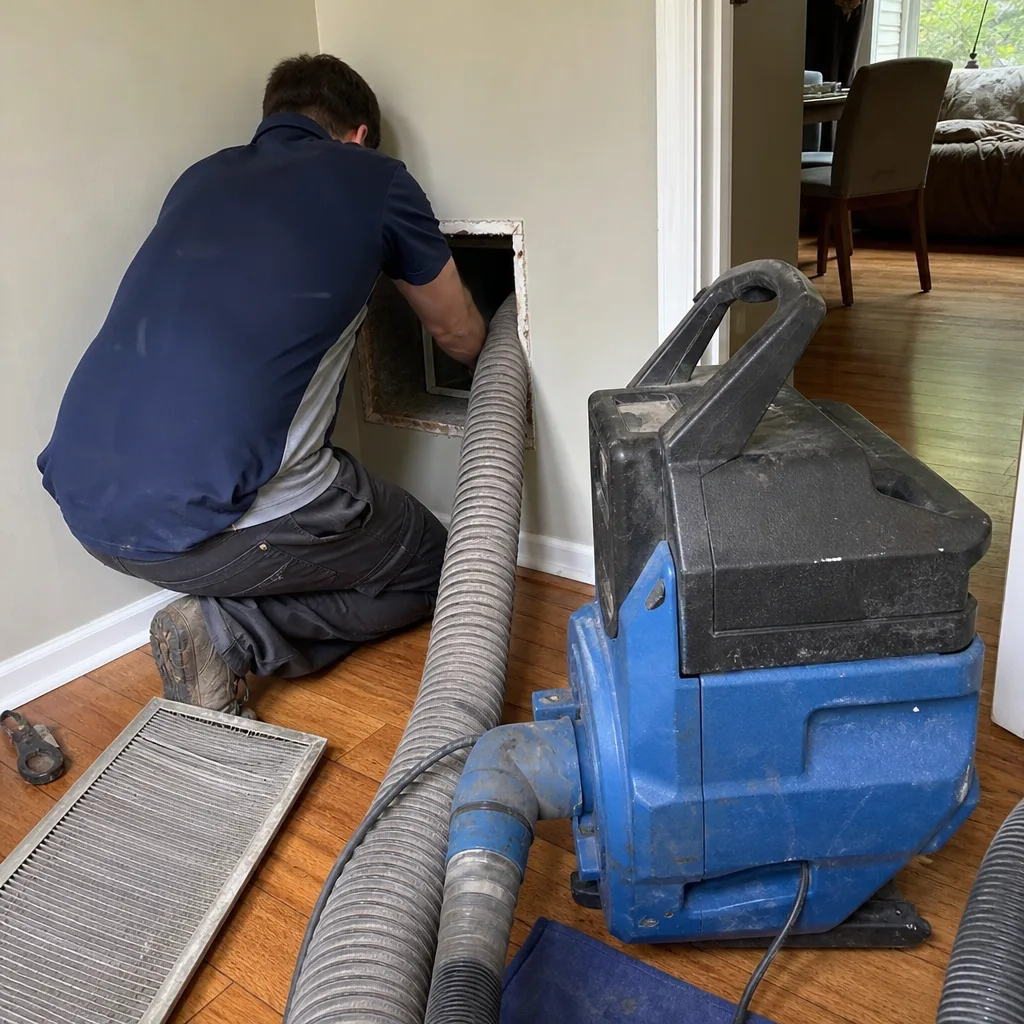 Before
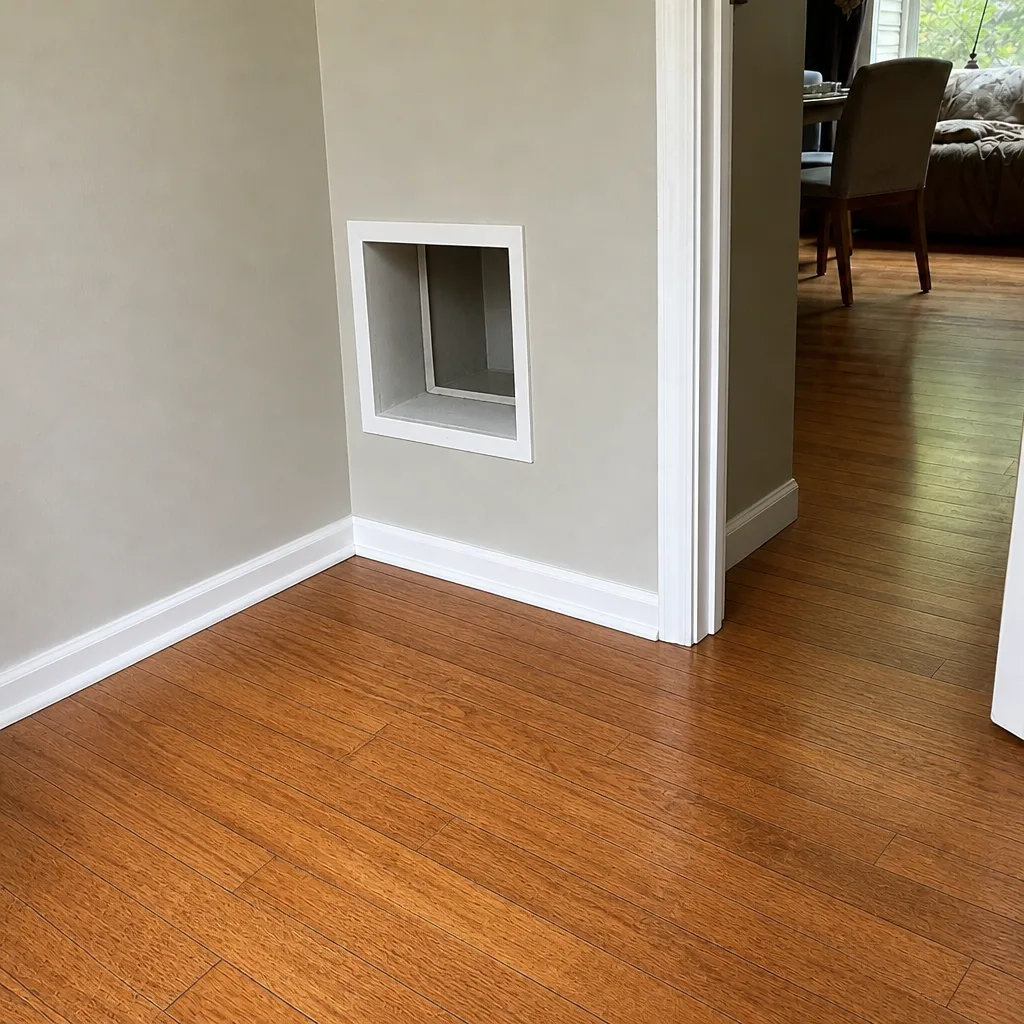 After
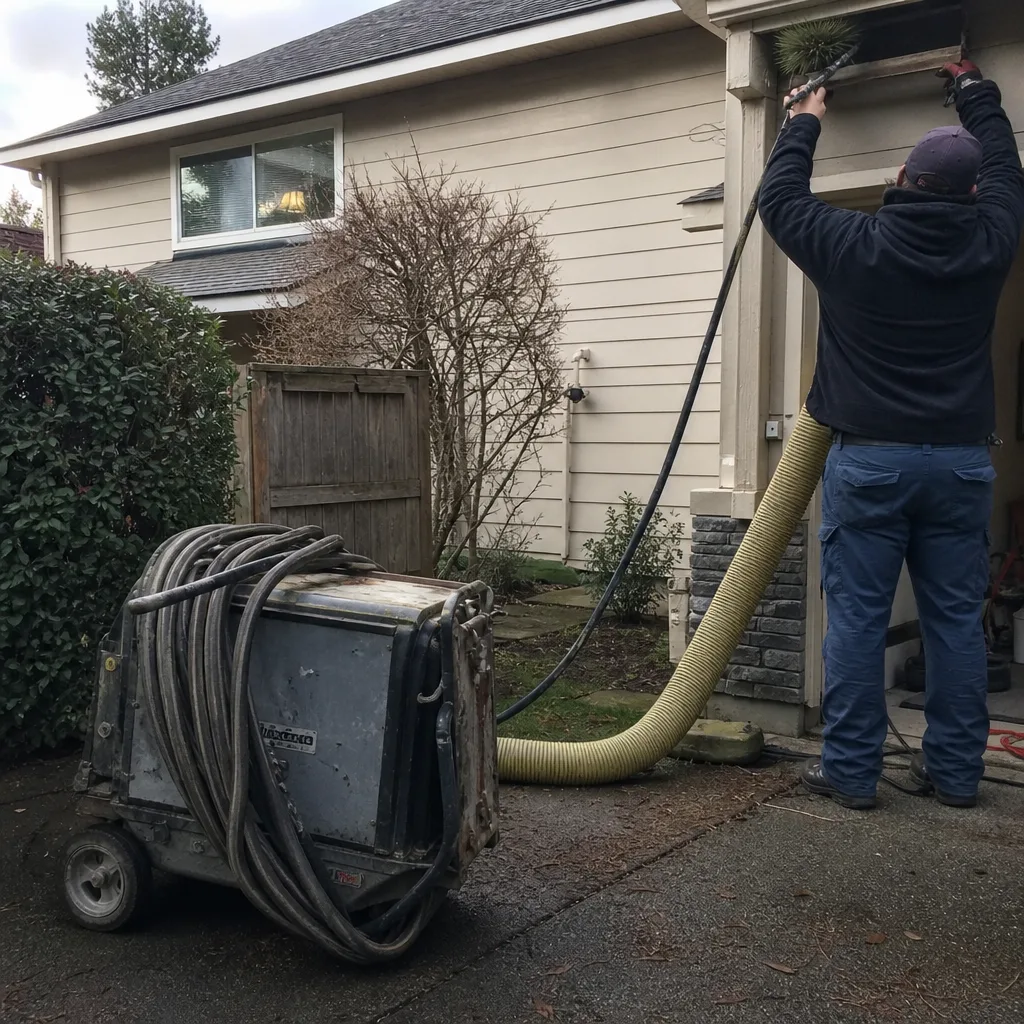 Before
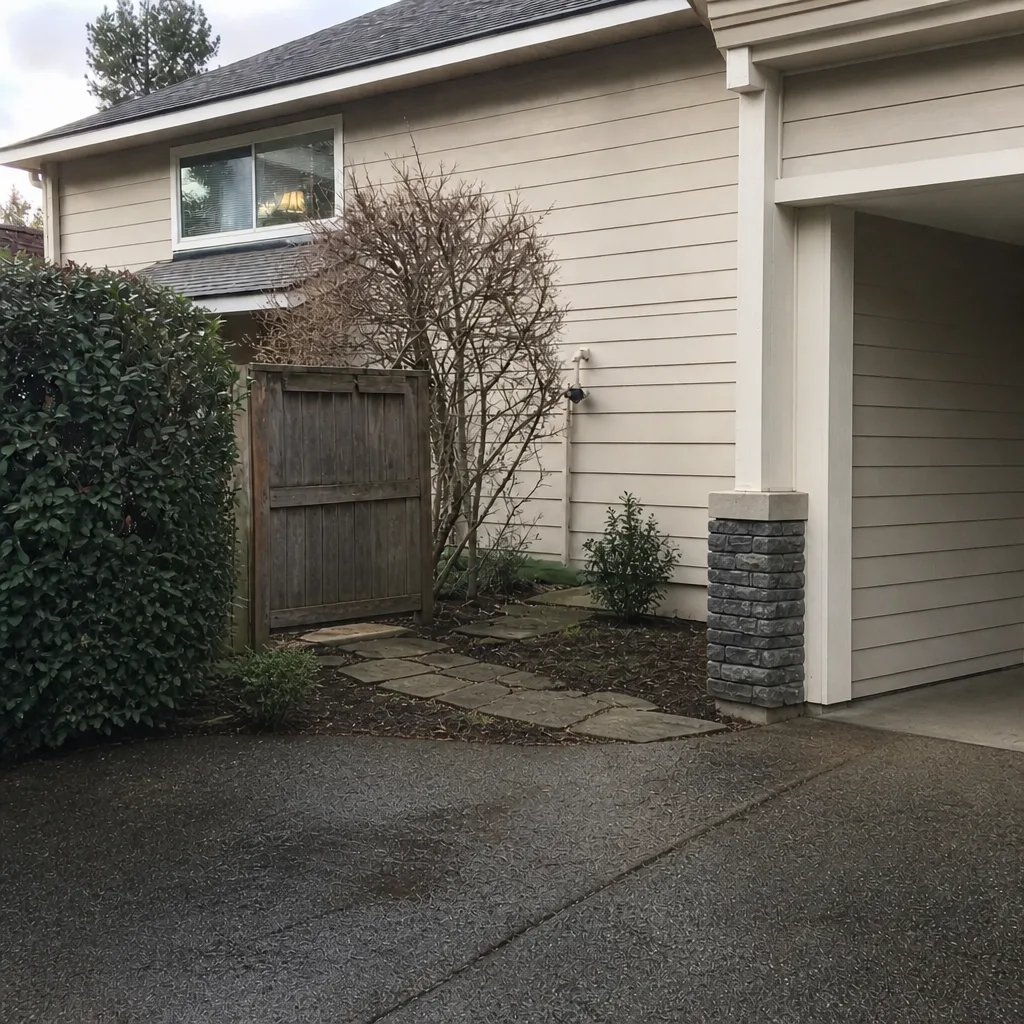 After
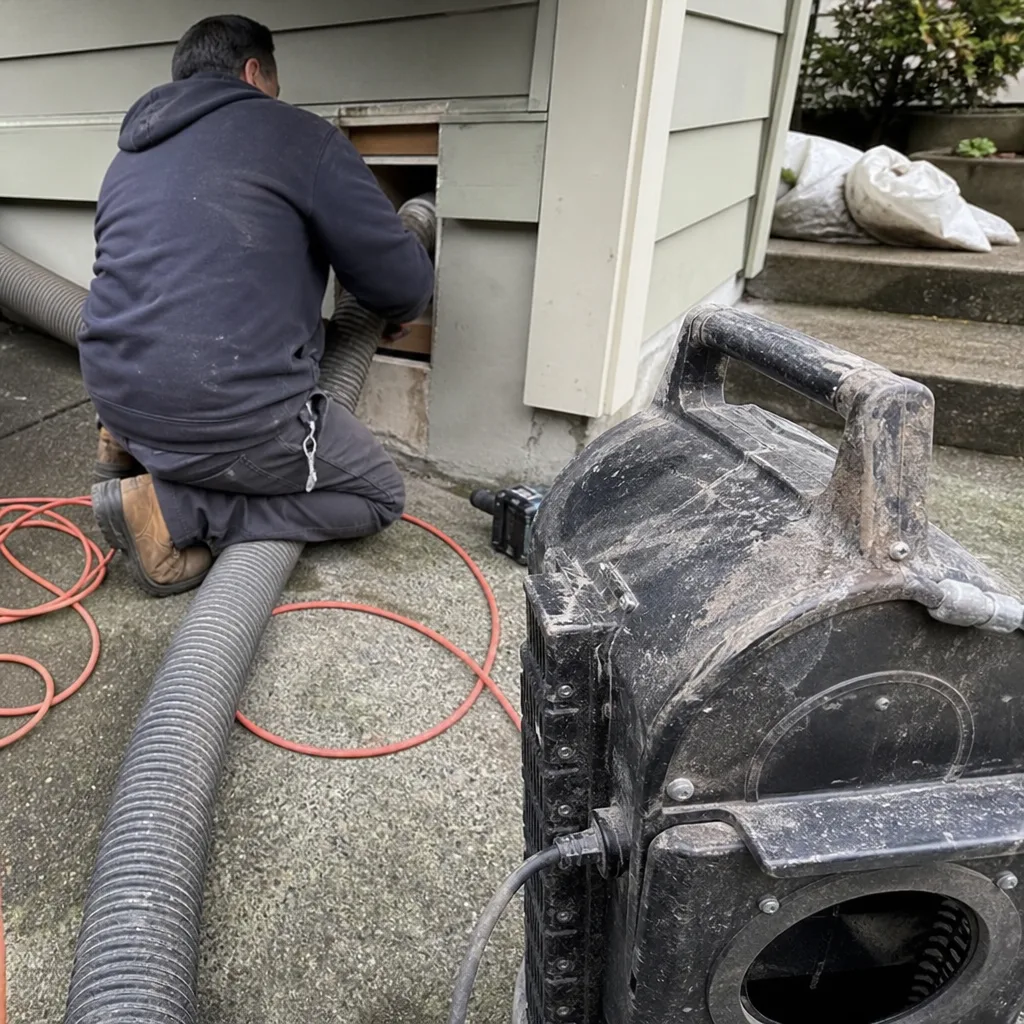 Before
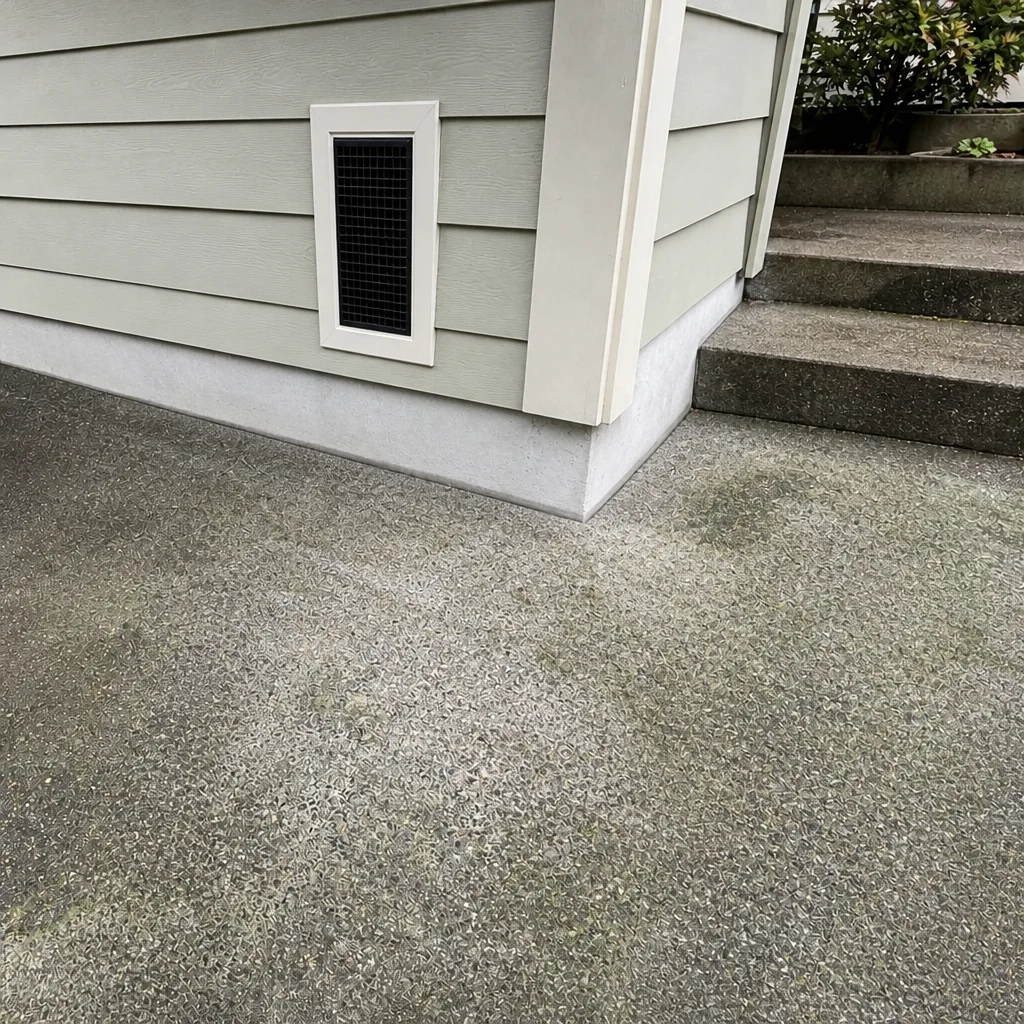 After
When to Call a Professional
Call for an inspection when the conditions below describe your situation. On the wildfire side, that’s running the system during a smoke event without upgraded filtration, or noticing smoke odor persisting weeks after the event ended. On the flooding side, it’s any standing water contacting flexible duct, or any crawl space that stayed damp for more than a few days after an atmospheric river. On the seismic side, it’s any noticeable shaking during which the system was running – flexible connector damage doesn’t always make itself known through visible symptoms until the system has been running with a leak for weeks. Call also if you’ve noticed new allergy symptoms, a musty smell at registers, or inconsistent airflow that wasn’t there before an event. Professional inspection documents the condition either way, and any cleaning needed is scoped to the situation rather than sold as a package.
Bellevue Air Duct Cleaning Co offers free estimates in Bellevue. Call (888) 845-6042. We answer 24/7. Fast dispatch from 7am to 7pm, Sunday through Friday. If you want an overview of what our system-wide approach involves, start with our air duct cleaning page.
Frequently Asked Questions
If you ran your HVAC system during a code red air quality day with standard filtration in place, assume the ducts absorbed smoke particulate and schedule an inspection. The tests that confirm contamination are filter bypass assessment, visual inspection of the return plenum interior, and register staining review – none of which can be done by eye from the room side. Families in Bellevue who notice lingering smoke odor or new allergy symptoms weeks after an event should treat this as confirmation. Call (888) 845-6042 for an exact quote on inspection and cleaning – estimates are free.
Yes, when flexible duct insulation is saturated and the duct is not removed or dried quickly. Water trapped inside the insulation creates exactly the conditions mold needs – darkness, moisture, and organic material. The 48 to 72 hour window is realistic, especially in Bellevue’s cool, damp winter conditions where crawl spaces stay humid for days after the flood recedes. Any flex duct that was submerged should be inspected, and likely replaced. Duct cleaning combined with sanitizing handles this problem when the duct is salvageable. Call (888) 845-6042 for a free estimate.
Cleaning removes physical contamination – dust, debris, particulate, soot, and mold growth where it can be reached mechanically. Sanitizing treats residual contamination after cleaning with products designed to neutralize mold spores, bacteria, and allergens on duct surfaces. Cleaning without sanitizing leaves a surface that may still support regrowth if moisture returns. We use Abatement Technologies equipment for the sanitizing side because it’s the standard used in restoration work where contaminant control actually matters. Call (888) 845-6042 for a scope discussion.
Costs vary by home size, system layout, and the extent of contamination. Crawl space duct systems and multiple air handlers factor in. Because the range is wide depending on what the inspection finds, we price each job by written estimate after the inspection rather than quoting over the phone. What you should expect from any legitimate provider is a written, per-system estimate before work begins. Call (888) 845-6042 – estimates are free.
Coverage depends on your policy and the source of the damage. Water intrusion from flooding is often covered under separate flood policy provisions rather than standard homeowner’s insurance, while smoke damage from a wildfire event may or may not be – it depends on whether the smoke was allowed in under a covered loss. Document everything in place before cleanup, and call your insurer to open a claim before you hire a company for the work. Duct damage caused by an acute event has a much better chance of being covered than general maintenance. Call (888) 845-6042 to discuss documentation and assessment.
For most homes, every three to five years is the practical range, and more often in homes with pets, recent renovations, or allergy-sensitive occupants. Bellevue’s wildfire seasons and wet winters push the typical case toward the shorter end of that interval. Filter bypass contamination accumulates faster in this climate than in drier regions. An inspection before an emergency event is also a way to know the starting condition of your system so you can tell immediately when something has changed. Call (888) 845-6042 for a free estimate.
The Bottom Line
Duct emergencies in Bellevue fall into three categories – wildfire smoke particulate, seismic displacement of flexible duct connections, and crawl space flooding – and each has a different response. The through-line is that contamination that happens in hours or days takes months to clear on its own, and it’s often invisible from the room side. An inspection with proper equipment tells you what’s actually in the system. Cleaning with professional-grade equipment removes it. Repair and sealing – which many duct cleaners don’t offer – are what keep it from returning. Document everything in place, respond quickly, and treat the inspection as the decision point rather than the cleaning. Our team uses Rotobrush, Nikro, and Abatement Technologies equipment to handle all three categories of event, and inspections are always documented. Call (888) 845-6042 for a free estimate from Bellevue Air Duct Cleaning Co.
Written by the team at Bellevue Air Duct Cleaning Co.