
Last updated November 23, 2026
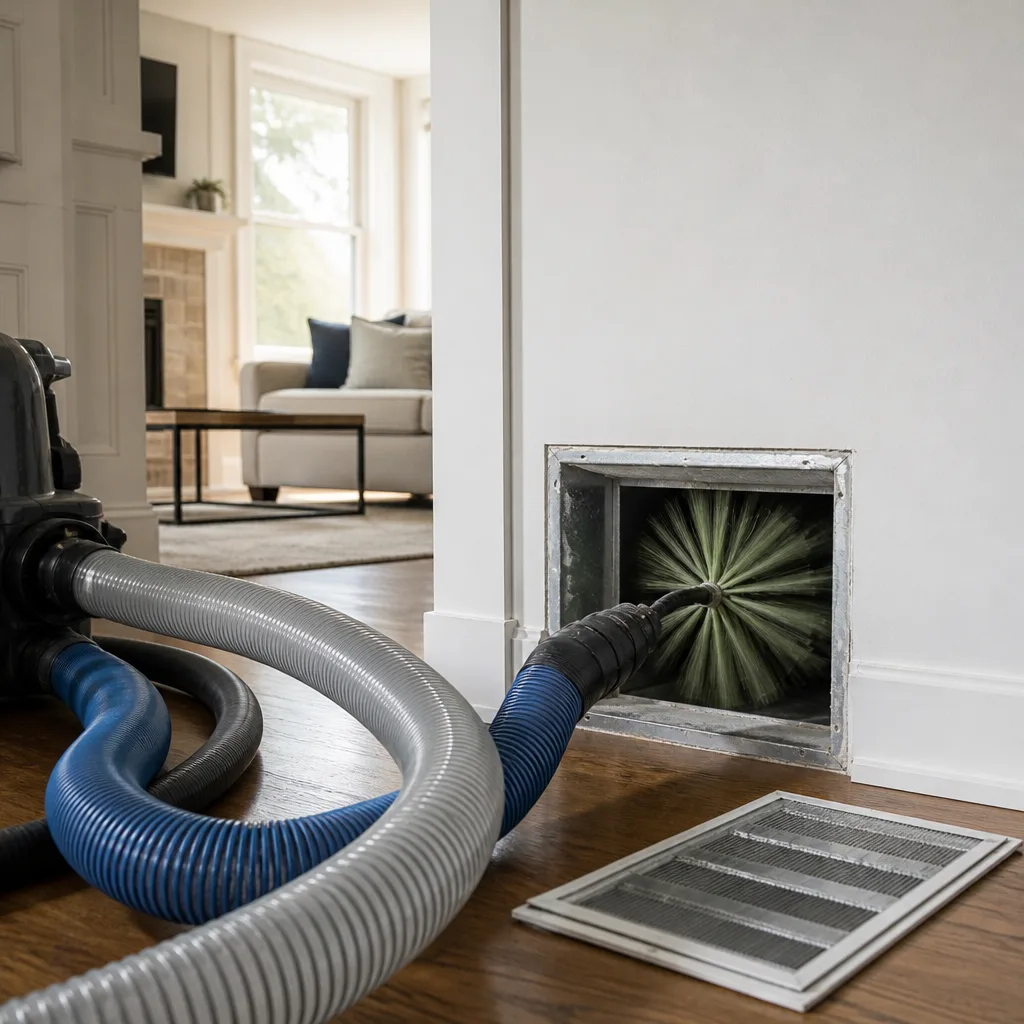 Whole-home duct cleaning
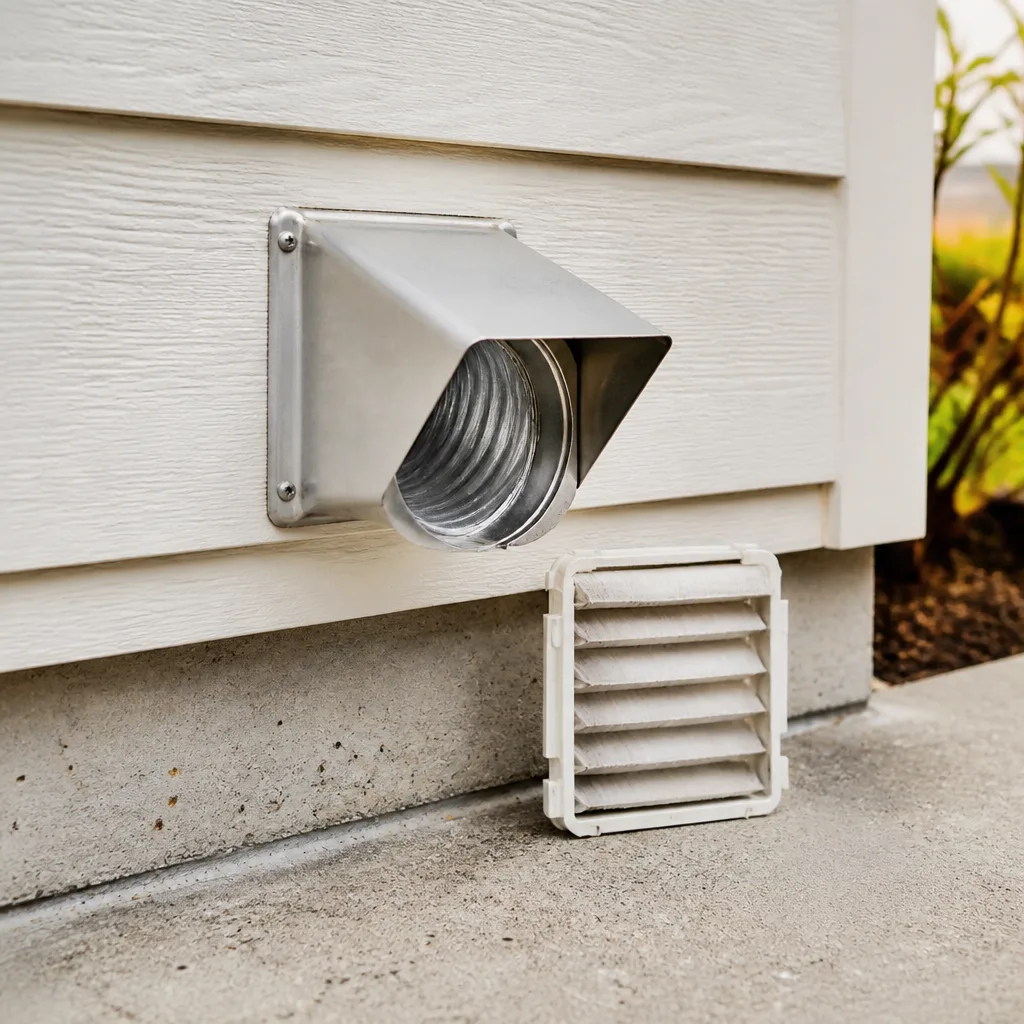 Dryer vent cleaning
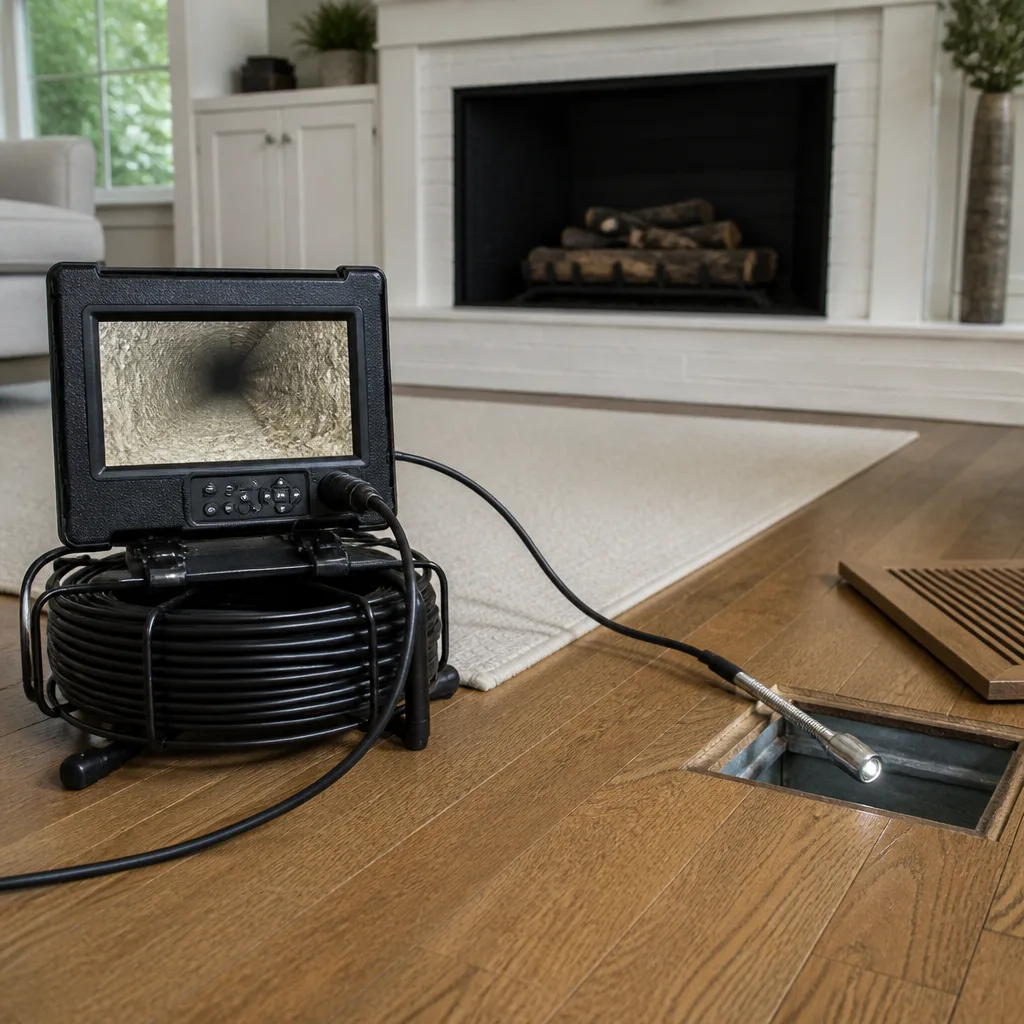 Camera inspection
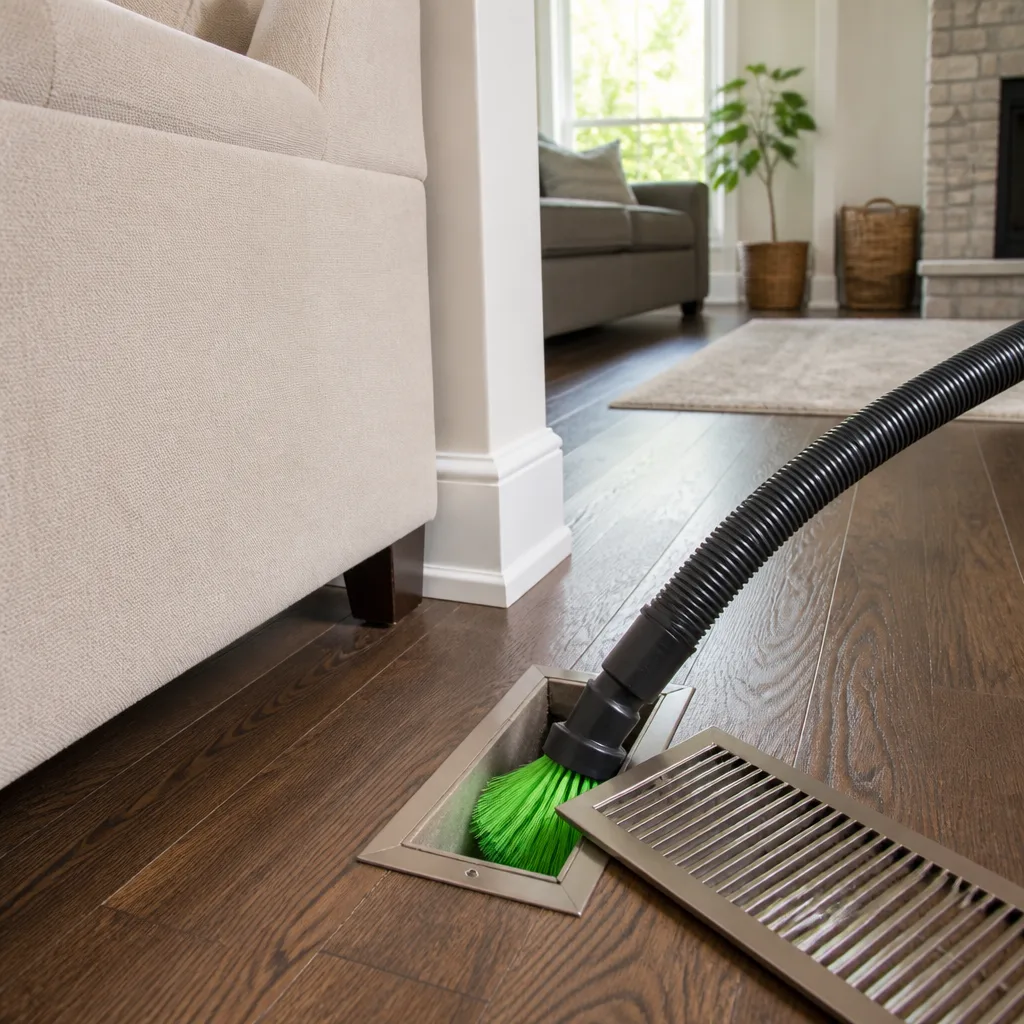 Sanitizing & deodorizing
Whole-system duct and dryer vent check with before-and-after photos - you see exactly what came out of your vents
That "$99 whole-house special" is a bait ad - the real number appears once they are in your hallway, or the "clean" is a shop-vac at the register. We photograph the inside of your ducts before and after instead.
Air Duct Cleaning Permits, Codes & Inspections in Bellevue, WA: What You Need to Know
Here’s the part most homeowners never hear: routine air duct cleaning doesn’t require a permit in Bellevue, but the work that often happens alongside it does. The moment a technician cuts into a duct run, replaces a section of flex or sheet metal, seals leaks with anything more than tape, or changes how the air handler connects to the ductwork, you’ve crossed from housekeeping into regulated mechanical work. That work falls under the Washington State Energy Code and the International Mechanical Code as Washington adopts it. In Bellevue, mechanical permits run through the city’s Development Services department, and unpermitted duct modifications can create real problems at resale. This guide explains where the line sits, how to verify a permit was pulled, and what a city inspection actually checks.
Quick Answer
In Bellevue, WA, standard air duct cleaning by itself does not require a permit. A mechanical permit is generally required once the work becomes an alteration or repair to the duct system itself – cutting in new duct runs, replacing sections of duct, sealing leaks at the system level, or modifying the air handler connection. Bellevue Development Services issues those permits. Inspections verify that the installed work matches code; they do not verify that your ducts were cleaned well.
Styles & brands we work with
- Whole-home duct cleaning
- Dryer vent cleaning
- Camera inspection
- Sanitizing & deodorizing
Table of Contents
- Where Cleaning Ends and Mechanical Work Begins
- What Washington’s Mechanical Code Actually Says About Ducts
- How to Verify a Permit Was Pulled in Bellevue
- Duct Sealing and Aerosol Sealing Under the Energy Code
- What a City Inspection Actually Checks on Duct Systems
- Permits, Disclosures, and Real Estate Transactions
- Why This Matters More in Bellevue Than in Many Cities
- Common Mistakes to Avoid
Where Cleaning Ends and Mechanical Work Begins
The threshold is simpler than most people expect. Cleaning the inside of a duct system is maintenance. Changing the duct system is mechanical work, and mechanical work is what the code regulates. The confusion comes because some companies clean and repair in the same visit without ever telling the homeowner that a portion of the job needs a permit.
Here’s a practical breakdown of where common tasks fall:
- No permit generally needed: cleaning duct interiors with a mechanical brush-and-vacuum system (Rotobrush or Nikro equipment, for example), cleaning registers and grilles, sanitizing duct surfaces, cleaning the blower compartment.
- Permit likely required: cutting new supply or return runs, replacing sections of flex or rigid duct, replacing a boot or a plenum connection, resealing duct joints at the system level when ductwork is physically altered, or any change to the air handler that affects duct sizing or airflow.
- Depends on scope: aerosol or mastic sealing of existing leaks where no duct is cut open, versus sealing that requires access holes to be cut into the duct system.
Bellevue’s Development Services department handles mechanical permits for residential work. If a contractor tells you “you don’t need a permit for that,” it’s worth asking a follow-up question: permit for what, specifically? A company doing air duct cleaning shouldn’t be pulling a permit. A company replacing ductwork should be able to tell you exactly which permit and which jurisdiction.
What Washington’s Mechanical Code Actually Says About Ducts
Washington adopts the International Mechanical Code through the Washington Administrative Code, most directly WAC 51-52, and layers the Washington State Energy Code on top of it. The Energy Code is where duct sealing and duct insulation requirements come from, and it’s the reason duct work in Bellevue is treated as a controlled system rather than a passive tube.
The practical effect for homeowners:
- New or replacement ductwork in a Bellevue home has to meet the Energy Code’s requirements for sealing and insulation. That’s not a suggestion – it’s what the permit inspection looks for.
- Alterations to existing duct systems need to leave the system at least as compliant as it was. Cutting a hole in a duct and not resealing it properly can make the system non-compliant.
- The air handler and its connection to the duct system are treated as mechanical equipment. Changing how that connection is made triggers code review.
What the code does not do is require that duct interiors be clean. There’s no “clean duct” section in the International Mechanical Code or the Energy Code. That’s an important distinction: the inspection looks at whether the system is sealed and insulated properly, not whether the inside of the ducts is debris-free. Cleaning and code compliance are separate questions, and a homeowner benefits from understanding both.
The companies that get this right are the ones that treat HVAC cleaning and mechanical repair as two distinct categories of work, and file permits when the second one comes up. In our experience, the technical crews that use Rotobrush and Nikro for cleaning and also do real duct repair have a much clearer view of where the permit line is than companies doing cleaning only.
How to Verify a Permit Was Pulled in Bellevue
Bellevue has a public permit portal through Development Services where any homeowner can look up permit history on an address. The lookups are free, the data is public, and the process takes a few minutes. You don’t need to be a contractor to use it.
Here’s how to use it, step by step:
- Gather the address and parcel number for your Bellevue property. The King County Assessor’s site will give you the parcel number from the address.
- Search the Bellevue permit portal for your address. Use exact formatting – “1234 112th Ave NE” instead of “1234 112th” – because permit systems are literal.
- Look for mechanical permits pulled within the timeframe the work was done. A mechanical permit will typically be labeled as such and list the contractor of record.
- Cross-check the contractor name against the company that did the work. If the permit names a different company than the one on your invoice, ask why.
- Check the status – a pulled permit that was never inspected or closed has its own problems at resale.
If the work was done without a permit and required one, you have two options: ask the contractor to pull the permit retroactively (some jurisdictions allow this, with a fee and inspection), or disclose the unpermitted work at sale and accept a reduction in buyer enthusiasm. The simpler path is to ask for the permit number before the work starts. Any licensed mechanical contractor in Bellevue should be able to give it to you.
Duct Sealing and Aerosol Sealing Under the Energy Code
Aerosol-based duct sealing – the process where a sealant mist is blown through the duct system and deposits at leak sites – is a real duct improvement, not a gimmick. Whether it’s code-compliant, and whether it needs a permit, depends on how the access is made and how the work is documented.
The distinction that matters:
- Aerosol sealing with sealed access holes (drilling small openings that are then sealed closed after the process) is generally treated as a repair method on the existing duct system, similar to mastic sealing from the inside. Whether Bellevue requires a mechanical permit for this depends on whether the system is being physically altered beyond the access points.
- Mastic or brush-on sealant applied at accessible joints from outside the duct is the least invasive option. It’s cosmetic-plus – it works, but only on joints you can reach.
- Tape-only sealing isn’t a durable code-compliant solution on its own. Standard cloth-backed duct tape dries out and fails, which is why the Energy Code recognizes mastic and approved sealants rather than general-purpose tape.
When aerosol sealing is done as part of a broader duct repair that includes replacing sections, that repair scope drives the permit requirement. The sealing method itself is the smaller variable. What matters is that the company can tell you which part of the job is permit-triggering and which part isn’t, and can produce before-and-after documentation of the sealing (photos of the duct interior at leak locations, static pressure readings, or a duct leakage test).
Bellevue’s older Eastside neighborhoods – Crossroads, Lake Hills, Newport Hills – have duct systems from an era when duct sealing standards were looser. When we work in those homes, the sealing matters more than the cleaning, because the loss is happening at the joints, not inside the duct. Sealing without addressing that is cosmetic patching. Sealing done as part of a full-system scope is Bellevue Air Duct Cleaning Co territory: cleaning, sealing, and repair under one scope, so nothing falls between two contractors.
What a City Inspection Actually Checks on Duct Systems
This is the part most homeowners get wrong. A Bellevue mechanical inspection is not an air quality inspection. It’s a code compliance check, and it’s narrow in scope.
What the inspector verifies:
- The installed ductwork matches what was permitted (materials, sizing, routing).
- Duct sealing at joints meets the Energy Code requirements for the applicable climate zone.
- Duct insulation meets the applicable R-value for the location (attic, crawlspace, garage, or conditioned space).
- The air handler and duct connection are installed to the manufacturer’s requirements and the mechanical code.
- Clearances around the equipment meet code.
What the inspector does not verify:
- Whether the inside of the ducts is clean.
- Whether the system delivers balanced airflow to every room.
- Whether the return air path is adequate for the new supply.
- Whether the homeowner is happy with the work.
In practical terms, a passed inspection tells you the work was done to code. It doesn’t tell you the system performs well. Those are separate questions. If a company promises that the inspector will “verify the clean,” they’re either confused about the inspection scope or using the inspector as marketing. A Bellevue mechanical inspection is a construction-quality check, not a cleaning verification. Homeowners who want cleaning verification should ask for before-and-after photos of their own ducts – interior shots taken from the register and from the plenum – not the inspection report.
Permits, Disclosures, and Real Estate Transactions
Bellevue’s real estate market moves quickly and buyers in this market are well-informed. Unpermitted duct repair or replacement surfacing during a transaction is one of the more common – and more avoidable – snags a seller runs into.
Washington’s seller disclosure requirements ask about “known defects” and about improvements made without required permits. Duct repair that required a mechanical permit and wasn’t permitted is a disclosure item. So is a permit that was pulled but never inspected or closed.
What typically happens during a Bellevue transaction:
- A buyer’s inspector finds evidence of recent ductwork – new mastic at joints, replacement flex sections, new rigid duct runs.
- The buyer’s agent asks for the permit number.
- If none was pulled, the buyer’s inspector recommends a scope-of-work evaluation, and the transaction either slows down or the seller credits money back.
- At worst, the work needs to be redone or permitted retroactively, which is a longer process than having pulled the permit up front.
The clean solution for a seller or a buyer is documentation. Keep the permit number, the inspection record, and the contractor’s invoice together for any duct work that required a permit. For work that didn’t require a permit – standard cleaning – keep the invoice and the before-and-after photos. Both are useful in a transaction, and the absence of either invites questions.
Why This Matters More in Bellevue Than in Many Cities
Bellevue has a few local factors that push duct code questions higher up the priority list than they’d be in a city with a milder climate or looser code enforcement.
The first is climate. Puget Sound’s wet, cool fall and winter mean air handlers run long hours during heating season, and any duct leakage that pulls air from a crawlspace or an unconditioned garage brings ground-level moisture into the home. Code-compliant sealing isn’t an energy-efficiency nicety here. It’s the barrier between your family and crawlspace air. Bellevue’s older housing stock – including mid-century homes in Bridle Trails, Woodridge, and Somerset – often has duct systems built before modern sealing requirements, which is exactly where the code questions come up.
The second is the housing mix. Bellevue has a lot of recent construction alongside those older homes, and the newer builds tend to have tighter envelopes, heat pump systems, and balanced ventilation. In those homes, duct leaks cost more because the system runs at higher static pressure, and improper modifications can throw off a balanced design faster than they would in a drafty older house.
The third is municipal code enforcement. Bellevue’s Development Services department is thorough. Homeowners in Bellevue who’ve gone through a kitchen remodel or a garage conversion know how carefully inspections are handled. That same rigor extends to mechanical work. A Bellevue permit inspector will ask about duct sealing materials and insulation R-values. They will look at the connection at the air handler. The bar is set at code, not at “looks fine.”
That’s why the choice between a cleaning-only company and a full-system company matters in Bellevue specifically. A cleaning company can clean. A company that also does duct repair, sealing, and HVAC cleaning – with the same equipment used in restoration work, like Rotobrush and Nikro, plus Abatement Technologies for air quality and sanitizing – can also tell you when the work is crossing the permit line. That’s a conversation most cleaning crews don’t have, because they don’t do the permit work. For more on the weather-driven side of duct behavior in the area, see our guide to dryer vent cleaning, since vent systems have their own code questions and their own fire-safety requirements.
Common Mistakes to Avoid
- Assuming a cleaning quote covers any repair work. Most cleaning quotes are for cleaning only. If the technician finds a collapsed flex run or a disconnected boot, that’s a separate scope, and it may require a permit. Ask for the repair scope in writing before the technician starts.
- Accepting “we don’t need a permit” without asking what the work actually is. If the work involves cutting into duct, replacing duct, or modifying the air handler, ask a second question: permit for what, exactly, and which jurisdiction. Bellevue permits come through Development Services, and the contractor should be able to name the permit type.
- Skipping the Bellevue permit portal check. It’s free and public. Homeowners in Bellevue have no reason to take a contractor’s word for it when the city’s own records are a few clicks away. Check before the final payment, not after.
- Letting aerosol sealing be described as “duct cleaning.” Aerosol sealing is a duct repair method, not a cleaning method. If a scope bundles the two, ask which portion needed a permit and which didn’t. The answer tells you a lot about the company’s familiarity with the code.
- Not asking about crawlspace duct runs in older Bellevue homes. Homes in Crossroads and Lake Hills frequently have ductwork in unconditioned crawlspaces. That ductwork has specific insulation and sealing requirements under the Energy Code, and it’s the most common place we see non-compliant work.
- Treating a passed inspection as proof the ducts were cleaned well. The inspection is a code check, not an air quality check. Ask for before-and-after photos of your own duct interiors if cleaning quality is your concern. They’re standard on a professional job.
- Forgetting the documentation at sale time. Bellevue buyers check permits. Unpermitted mechanical work is a disclosure item and a negotiation item. Keeping the permit number and the invoice together saves time, money, and stress on both sides of the transaction.
See the difference
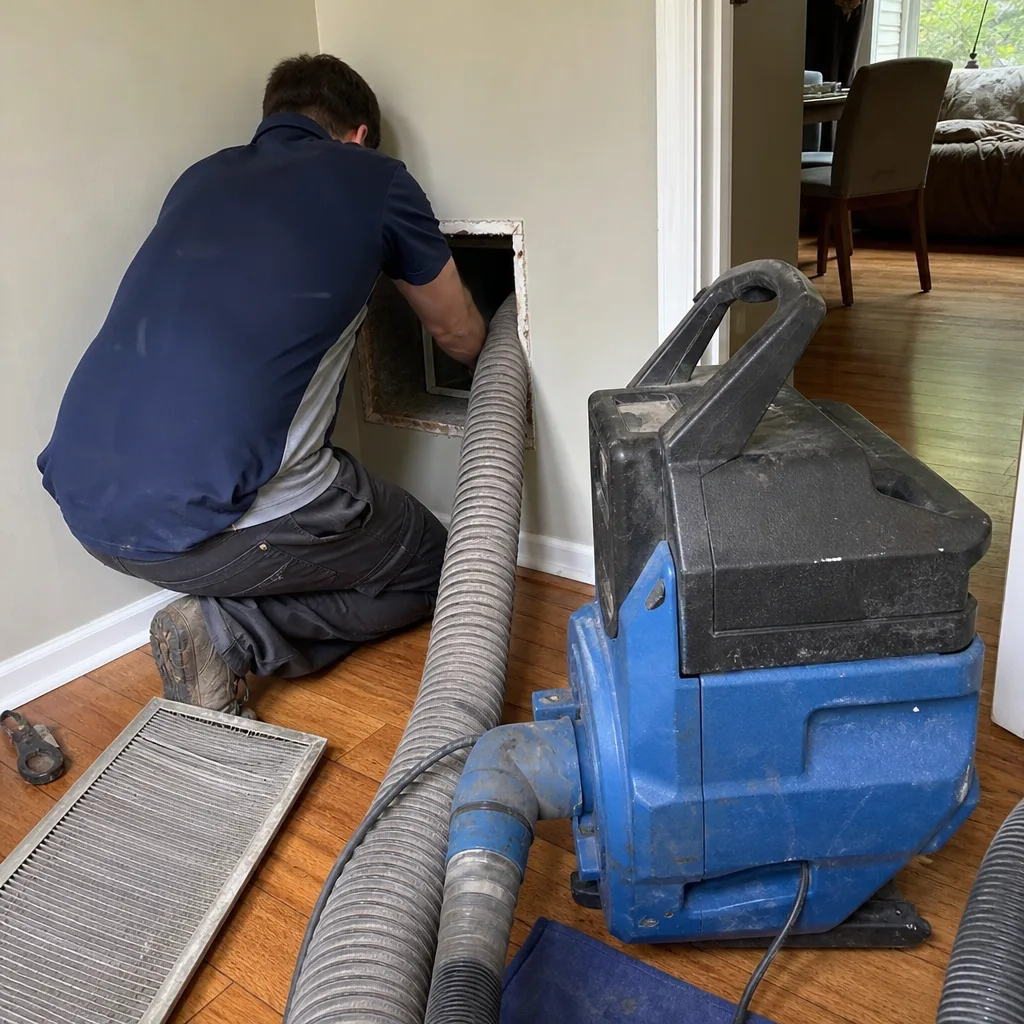 Before
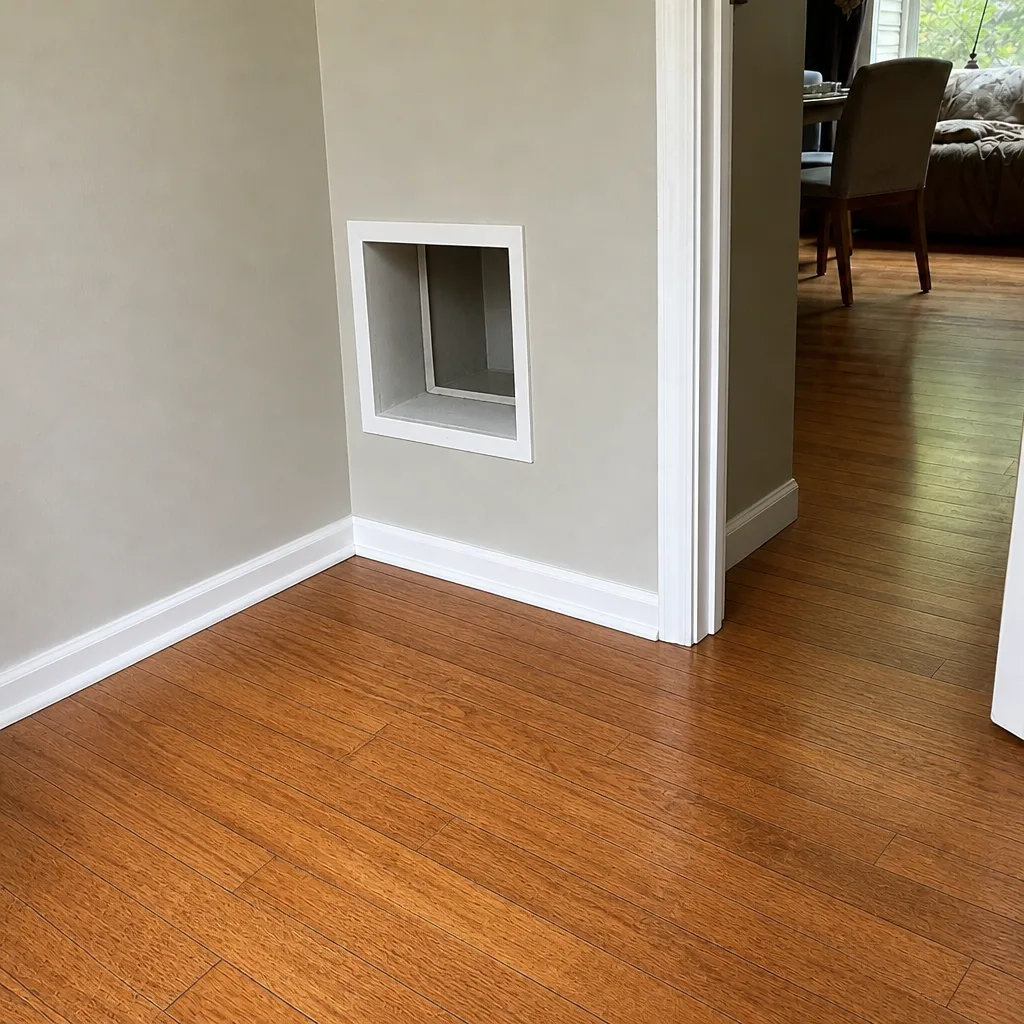 After
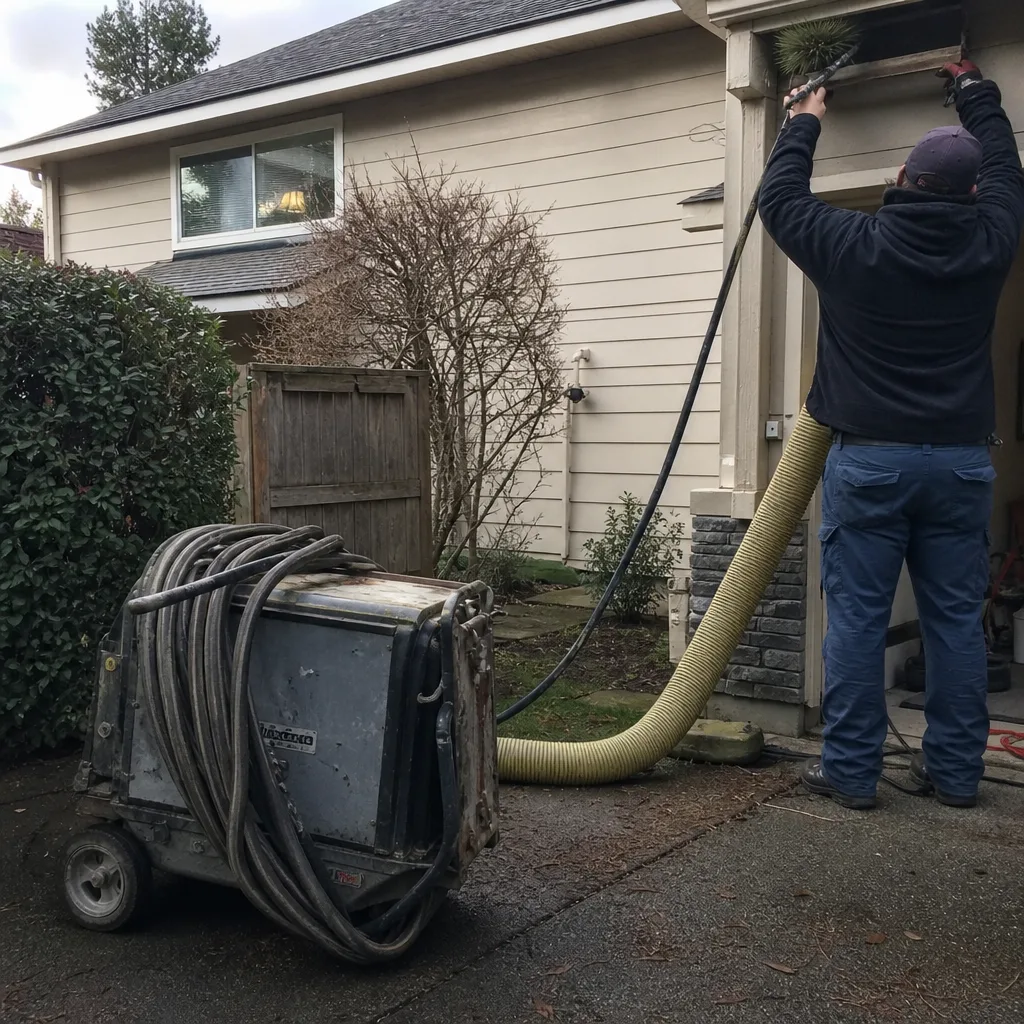 Before
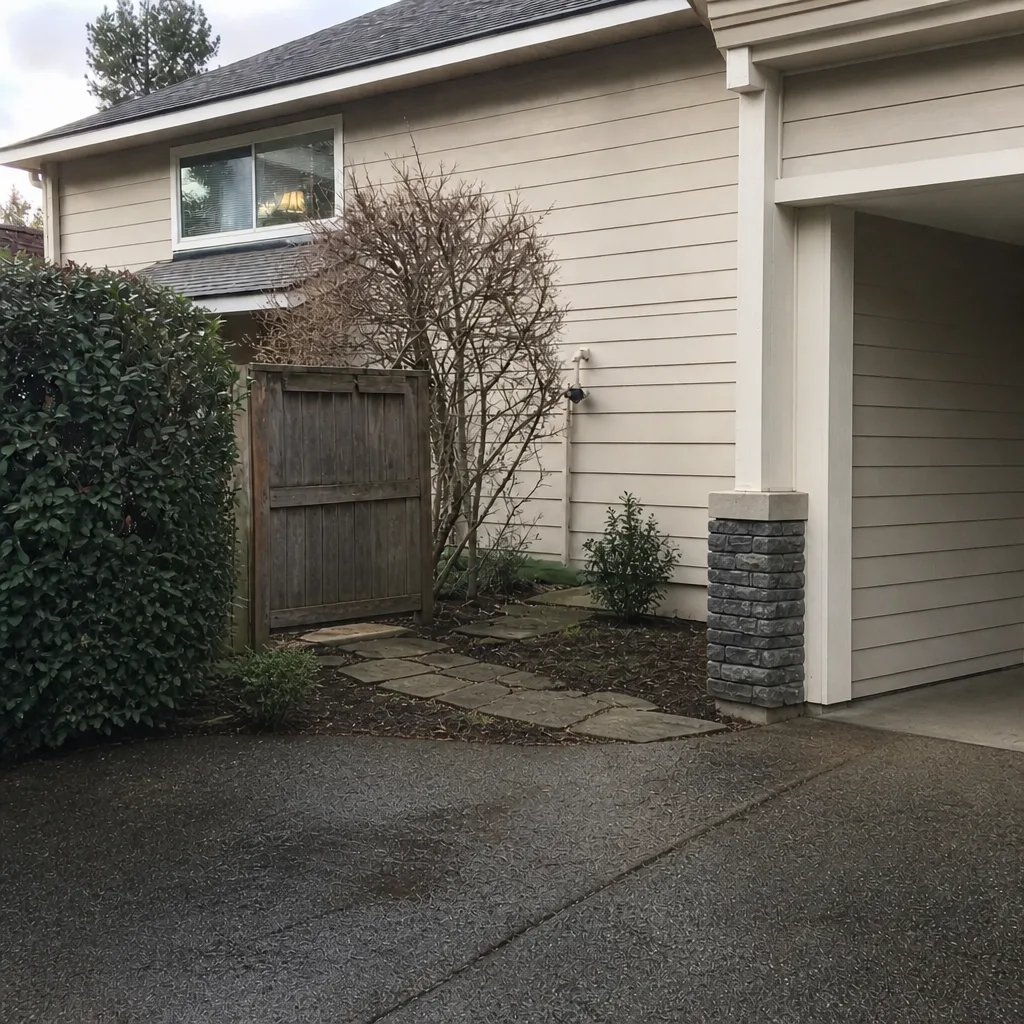 After
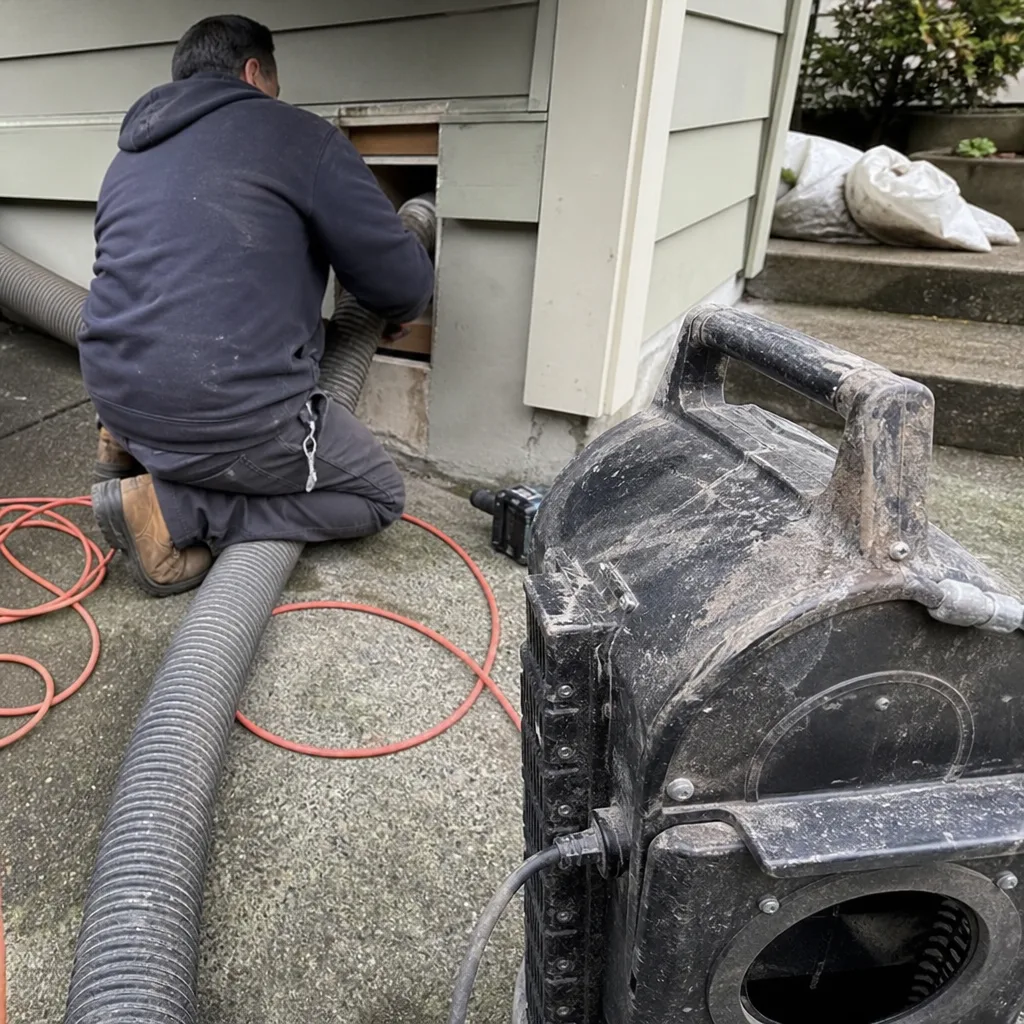 Before
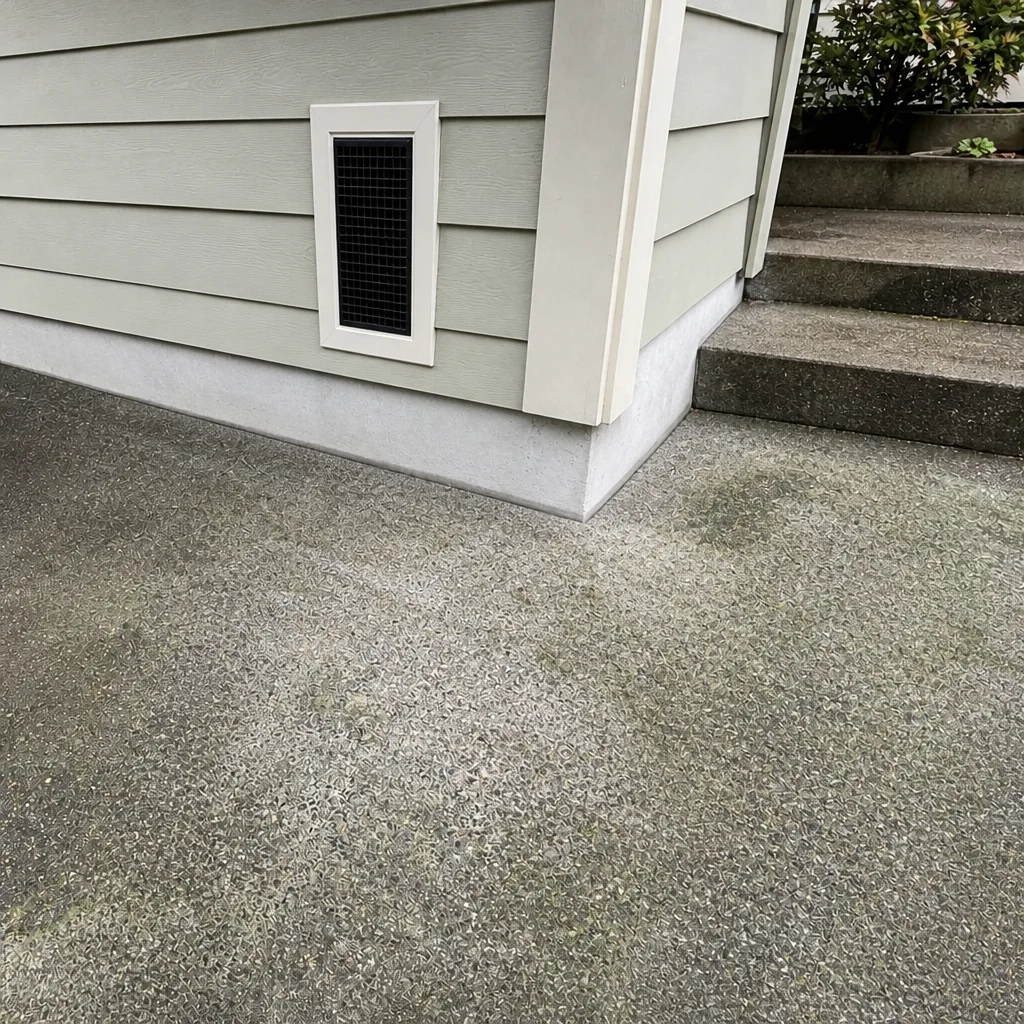 After
When to Call a Professional
Some situations need a licensed mechanical professional and possibly a permit. If your ducts have visible sagging or disconnection, if a room has noticeably weaker airflow than the rest of the house, if you’ve found a collapsed flex run behind a register, or if a prior owner left you with a duct system you can’t account for, call. If you’re in a Bellevue home with original ductwork from a mid-century build, or if you’re preparing a property for sale and need the duct work documented, call. Bellevue Air Duct Cleaning Co offers free estimates in Bellevue. We use Rotobrush and Nikro systems for cleaning and can walk you through what needs a permit and what doesn’t. Call (888) 845-6042. We answer 24/7. Fast dispatch from 7am to 7pm, Sunday through Friday.
Frequently Asked Questions
No. Standard air duct cleaning in Bellevue does not require a permit, because cleaning doesn’t alter the duct system. A permit is generally required when the work becomes a mechanical repair or alteration – cutting in new duct, replacing sections, or modifying the air handler connection – and Bellevue Development Services issues that permit. If a company is quoting you for cleaning plus repair, ask which portion of the scope will be permitted. Call (888) 845-6042 if you’d like help figuring out whether your specific work needs one.
Honest pricing for a whole-house duct cleaning in Bellevue is typically quoted per system, not per vent, and the written estimate sets the final price. Per-vent pricing and teaser coupon figures are the beginning of most bait-and-switch complaints in this trade. A company that quotes you a whole-system price up front, then holds to that price through the work, is showing you its business model on the first call. Call (888) 845-6042 for a free estimate specific to your home.
Yes, and you should. Bellevue’s permit portal through Development Services is public and searchable by address. Look up your address, look for a mechanical permit pulled within the timeframe of the work, and cross-check the contractor name against your invoice. If the permit is open but never inspected, that’s worth asking about too. If a contractor refuses to give you a permit number for repair work, that’s a signal. Call (888) 845-6042 if you need help reading what the permit record shows.
Yes, when it’s done properly and documented. Aerosol sealing is recognized as a duct repair and sealing method under Washington’s adoption of the mechanical and energy codes, because it addresses leaks at the system level rather than at accessible joints only. The code-compliance question is less about the sealant and more about whether the duct system was altered beyond sealed access holes – that determines whether a permit is needed. A company doing this work should be able to explain both. Call (888) 845-6042 to talk through your situation.
A Bellevue mechanical inspection checks code compliance, not cleanliness. The inspector verifies that installed ductwork matches the permit, that joint sealing meets the Energy Code, that insulation meets the required R-value for the duct’s location, and that the air handler connection is installed to code. It does not verify duct cleanliness, airflow balance, or homeowner satisfaction. If cleaning quality is your question, ask your contractor for before-and-after photos of your own ducts, not the inspection report. Call (888) 845-6042 if you want a documented clean.
Yes. Unpermitted mechanical work is a disclosure item in Washington, and Bellevue buyers and their inspectors look for it. The most common outcome is a delay in the transaction while the buyer requests evaluation or a credit. The cleanest solution is to permit and document duct repair work when it happens – or to have a Bellevue contractor assess what you have and pull a permit retroactively if the work warrants it. Call (888) 845-6042 before your listing goes live if you’re not sure what’s on the record.
The Bottom Line
Air duct cleaning in Bellevue is not a permit-regulated activity – it’s maintenance. The permit line sits where cleaning becomes repair: cutting, replacing, resealing at the system level, or changing how the air handler connects to the ductwork. That work falls under Washington’s adoption of the International Mechanical Code and the State Energy Code, and in Bellevue it’s inspected through Development Services. The records are public, so verification is a few clicks, not a leap of faith. What an inspection does not do is verify cleanliness or performance – that’s on the contractor, and it’s what before-and-after photos and a documented process are for. If you’re not sure which side of the line your project sits on, that’s the right moment to ask. The written estimate and the permit record tell you everything the marketing won’t. Bellevue Air Duct Cleaning Co offers free estimates in Bellevue, and our technicians have up to 12 years of experience reading exactly these situations. Call (888) 845-6042. We answer 24/7. Fast dispatch from 7am to 7pm, Sunday through Friday.
Written by the team at Bellevue Air Duct Cleaning Co.