
Last updated November 23, 2026
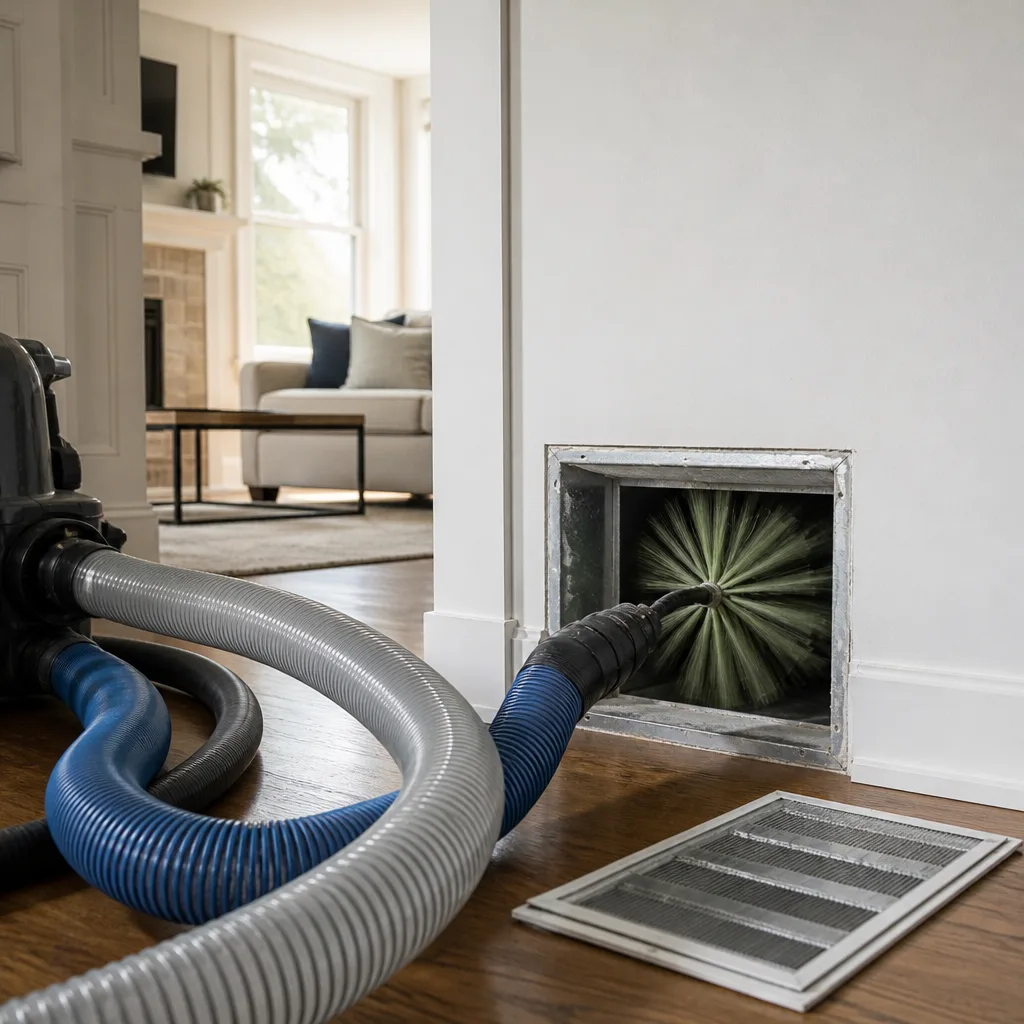 Whole-home duct cleaning
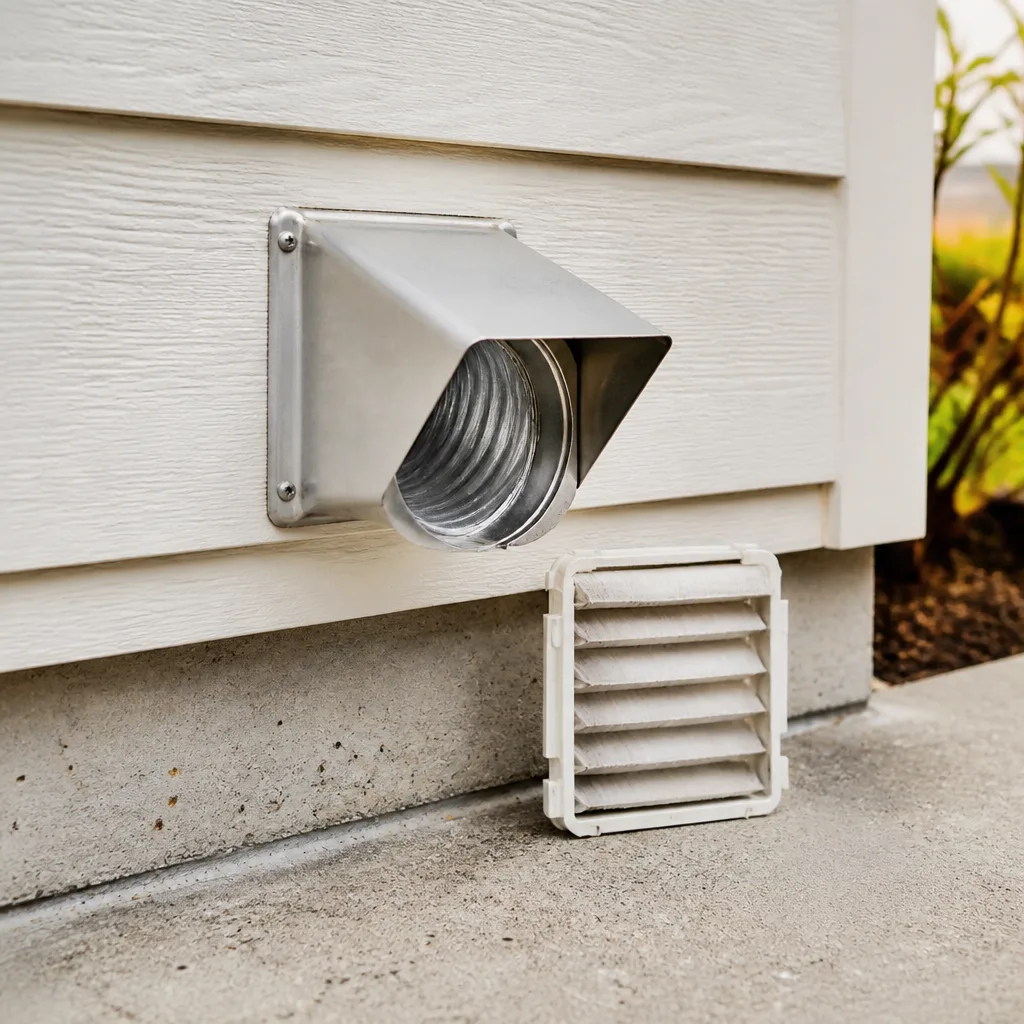 Dryer vent cleaning
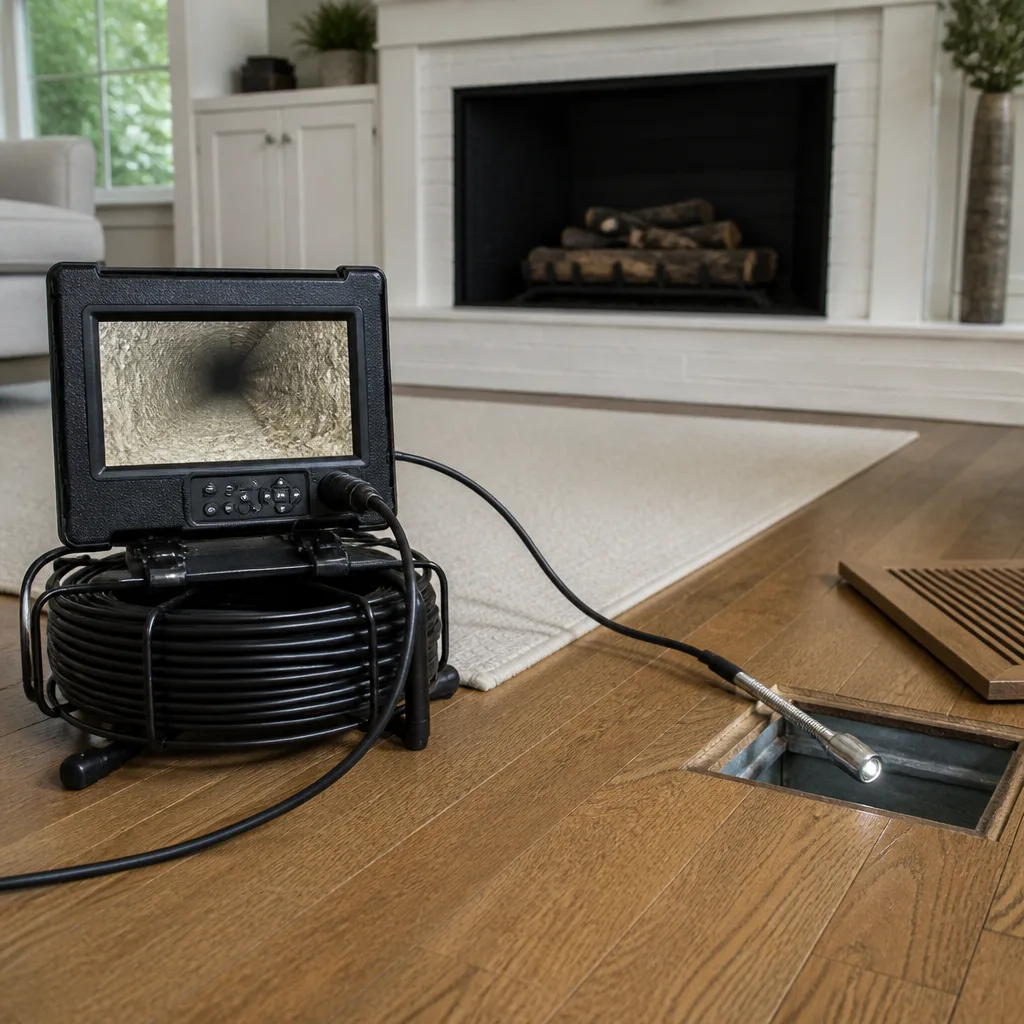 Camera inspection
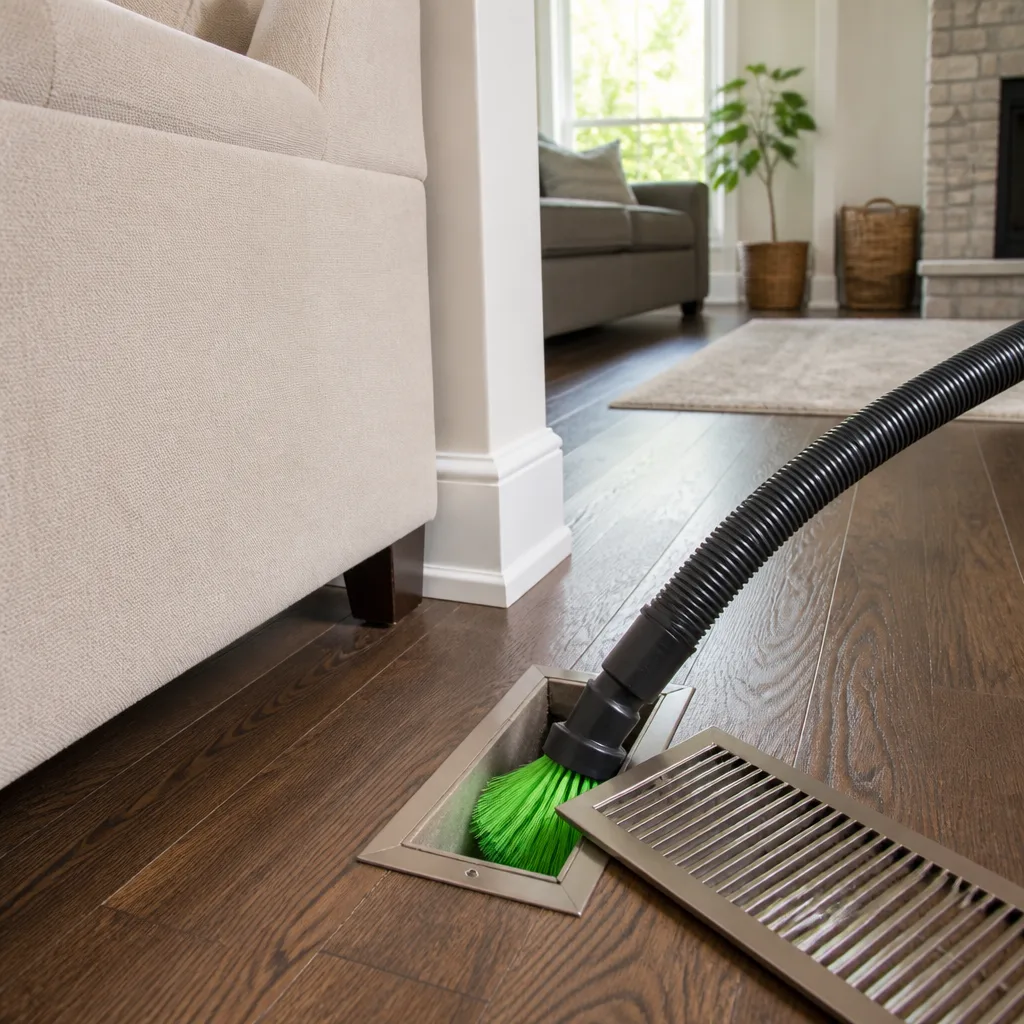 Sanitizing & deodorizing
Whole-system duct and dryer vent check with before-and-after photos - you see exactly what came out of your vents
That "$99 whole-house special" is a bait ad - the real number appears once they are in your hallway, or the "clean" is a shop-vac at the register. We photograph the inside of your ducts before and after instead.
Air Duct Cleaning Warning Signs: A Bellevue Homeowner’s Reference Guide
Bellevue homes have a way of hiding what their air systems are doing. A musty smell gets blamed on the crawl space. Dust on the furniture gets blamed on the dog. The tickle in your throat every morning gets blamed on pollen season. The average Bellevue home recirculates its entire air volume through the duct system five to seven times a day, which means a contaminated duct isn’t background noise in your home. It’s an active delivery mechanism, running every time the furnace or heat pump kicks on. In this guide, we walk through the warning signs that point to the ducts themselves, how to read each one without tools, and how to tell when the problem calls for cleaning, when it calls for repair, and when it’s honestly neither.
Quick Answer
Air duct cleaning warning signs in Bellevue usually show up in three places: what you see at the register grilles, what the house smells like when the system first starts up, and how unevenly the rooms heat or cool. Dark streaking around supply registers, dust that returns within days of cleaning, a musty odor that peaks when the air handler starts, and persistent hot or cold rooms are the four signs homeowners most often misread. The fifth and most overlooked is recent renovation work: drywall dust, sawdust, and fiberglass particles settle inside the ductwork and keep recirculating for months.
Styles & brands we work with
- Whole-home duct cleaning
- Dryer vent cleaning
- Camera inspection
- Sanitizing & deodorizing
Table of Contents
- What to Look For at the Registers and Vents
- Telling Duct Odors Apart From Crawl Space and Roof Issues
- HVAC Performance Signs That Are Actually Duct Problems
- Post-Renovation Contamination: The Trigger Most Homeowners Miss
- When Ducts Need Cleaning vs. Repair and Sealing
- Bellevue-Specific Contamination Patterns
- A Simple Room-by-Room Inspection You Can Do Without Tools
- Common Mistakes to Avoid
- When to Call a Professional
- Frequently Asked Questions
What to Look For at the Registers and Vents
Registers are the only part of the duct system most homeowners can see, and they tell you more than most people realize. The grille on a supply register is a snapshot of what’s traveling through the whole system. If you know what to look for, you can build a solid picture of a home’s duct health with nothing more than a flashlight and a little patience.
Here’s what to check at each register in a Bellevue home:
- Dark streaking or “ghosting” on the ceiling around supply registers. This black residue comes from fine particles pushed through the grille and onto the surface, and it returns fast if the source isn’t removed.
- Visible dust plumes when the system first starts. Hold a flashlight at the edge of the grille while the air handler kicks on. A visible plume means particles are riding the airstream.
- Buildup on the return air grille. Returns pull more air than supplies and load up faster. A return grille with a thick matted layer is the most reliable sign that the return-side ductwork is lined with the same debris.
- Flex duct visible in the crawl space or attic. If the flex duct is sagging, pinched, or has visible tears at the collar, contamination and air loss go together.
- Pest evidence at the register collar. Rodent droppings or nesting material near a register collar means contamination as well as a bigger system problem.
One or two signs on their own don’t confirm much. When you see three or more together, the probability that the duct system itself is the source goes up sharply. Our technicians have up to 12 years of experience reading these clues, and the visual check takes less than fifteen minutes when it’s done methodically.
Telling Duct Odors Apart From Crawl Space and Roof Issues
Musty smells are the single most misattributed warning sign in Bellevue homes. A musty odor can come from a wet crawl space, a slow roof leak, appliance exhaust backdrafting, or the duct system itself. The duct diagnosis is simpler than most people think, and it starts with the timing of the smell.
Try this diagnostic method:
- Run the fan only with the heating and cooling off. If the smell intensifies within the first minute, the source is upstream of the rooms and is likely in the ducts or the air handler.
- Stand near a return air grille while the system runs. A strong smell at the return but not at the supplies means the contamination is in the return side, which pulls from crawl spaces and floor cavities.
- Check the smell in a room farthest from the crawl space. If the smell persists in a bedroom on the upper floor, the odor is traveling through the ducts, not drifting up from below.
- Look for moisture in the crawl space itself. Snowmelt in early spring and wet winters push a lot of ground moisture into Bellevue crawl spaces. A plastic vapor barrier and proper ventilation go a long way toward ruling this out.
- Rule out the roof. Stains on ceiling drywall near the air handler closet or a damp smell that only appears after rain point at roof leaks, not duct contamination.
If the smell only appears when the system runs, and it’s strongest at the returns, the duct system is doing the moving. That’s the noise to hear. Our team uses Abatement Technologies equipment for this exact kind of contaminant work, and it’s a useful starting place when the source isn’t obvious.
HVAC Performance Signs That Are Actually Duct Problems
Long run times and inconsistent room temperatures send a lot of homeowners toward a furnace repair call. The furnace may be fine. Duct leakage and contamination are the more common culprits, and they show up in ways that are easy to swap for a mechanical problem.
Watch for these signs of a duct issue:
- Uneven room temperatures. A bedroom that’s two or three degrees different from the rest of the house usually means a supply duct is undersized, disconnected, or leaking into an unconditioned space.
- Long cycle times. If the furnace or heat pump runs longer than it used to under the same weather, and the filter is clean and the thermostat is working, look at the ducts.
- Short cycling in one zone. That’s often a duct that’s dumping conditioned air into a crawl space or attic.
- Utility bills that climb without a usage change. A duct system leaking 15% of its air, for example, is a system doing the same work with a worse result. Bills reflect the waste.
- Whistling or hissing at a register. This is pressure in the wrong place, which points at a duct that’s restricted or disconnected somewhere upstream.
Bellevue homes built in the last thirty years often use flex duct run through attic and crawl spaces. That flex material is durable but not indestructible. When a joiner is pinched during an attic insulation job, or a boot pulls loose at the collar, you get exactly the performance symptoms homeowners misattribute to the equipment. Cleaning alone won’t fix this. It’s a duct repair and sealing job, and that’s a service most duct cleaners don’t provide, which is why the diagnosis matters so much before you hire.
Post-Renovation Contamination: The Trigger Most Homeowners Miss
Renovation work is the number one thing that loads a duct system with visible debris, and it’s the warning sign homeowners overlook most often. Most people focus on the finished room. They don’t think about what a drywall contractor’s sanding did to the returns a few feet away, or what a floor refinishing job sent into the supply side while the system stayed on.
During a remodel, the furnace typically keeps running to keep the crew warm. Every cubic yard of air the system moves carries drywall dust, sawdust, fiberglass particles, and caulk and adhesive fumes into the returns. A standard furnace filter catches some of the larger particles, but the very fine material goes right through and settles in the duct lining. It doesn’t settle once and stay put either. Every time the system cycles, the airstream picks up what’s sitting in the ducts and drops it into the living space.
Signs that a renovation has caused contamination:
- Dust reappears on furniture within days of cleaning it.
- The furnace filter clogs faster than usual, sometimes within weeks rather than the usual month.
- Visible debris at the bottom of a return air grille.
- A new or stronger smell in the house since the work finished.
- Respiratory or allergy-type symptoms that started after the project.
If renovation happened in the last year, and any of these signs are present, cleaning is worth considering even if the ducts looked fine before the work. The good news is that post-renovation cleaning is one of the easier jobs to do well. The bad news is that some homeowners wait years, and by that point the debris is well distributed through the entire system. Bellevue has a lot of older homes going through kitchen and bathroom updates right now, and this pattern comes up more than any other in our experience.
When Ducts Need Cleaning vs. Repair and Sealing
Not every warning sign is a cleaning sign. Some are repair signs. The distinction matters because cleaning a duct system that has a disconnected section is like mopping a floor with the tap still running. You’re removing debris the system is actively replacing.
Here’s a simple way to sort the two:
Signs that point mostly to cleaning
- Visible dust buildup at multiple registers with no visible damage.
- Musty smell that starts when the system runs, with no moisture in the crawl space or attic.
- Recent renovation that loaded the ducts with fine debris.
- Pest evidence in the ducts with no visible tears.
- The home has never had a full-system cleaning since the current owners moved in.
Signs that point to repair and sealing
- A room that never heats or cools properly, even after cleaning.
- Whistling at a register with no dust problem.
- Visible sagging, disconnection, or tears in flex duct in the crawl space or attic.
- Bills that stay high after the ducts are cleaned and a new filter is in place.
- Condensation or moisture at duct joints.
In practice, good duct work often involves both. We clean the system first, then locate any leaks with the ducts under pressure. Sealing a leak after it’s found is far more effective than sealing blind, and a company that offers both services can complete the job in a single visit rather than sending you back to the phone book. Our crew uses Rotobrush and Nikro systems for the cleaning side and dedicated sealing tools for the repair side, and we’ve found that homeowners get a much straighter answer when the same team handles both.
Bellevue-Specific Contamination Patterns
Bellevue’s climate and housing stock produce some specific patterns worth knowing about. The wet winters mean crawl spaces hold a lot of ground moisture, and any duct running through them is at risk of pulling damp air into the house. The mild but humid spring and fall push plenty of pollen and mold spores into outdoor air, and the duct system is the delivery route. Homes near Lake Sammamish and the wooded neighborhoods around Cougar Mountain get extra pollen and organic debris drawn into the returns during the spring flare.
Bellevue’s housing mix matters too. Older homes in neighborhoods like Crossroads and Lake Hills often have original galvanized ductwork with joints that have loosened over the years. Newer construction in areas like Factoria and the Spring District tends to use flex duct that’s efficient but more prone to physical damage from later contractor work. Downtown Bellevue condos and townhomes often share duct paths with neighboring units, which means contamination can travel between them in ways that are easy to miss from inside a single unit.
If you’re in a home with a basement or crawl space, look for ductwork running through unconditioned space. That’s the most common source of moisture and pest problems in the region. It’s also the first place we check when we’re called to a Bellevue home. Our team at Bellevue Air Duct Cleaning Co works with those configurations often and can tell you what we see without guessing.
HVAC systems also work differently in this climate than in dryer parts of the country. Heat pumps and furnaces handle long, cool, humid shoulder seasons here, which means the fan runs more hours of the year than in most US markets. That gives contamination more time to move through the home.
A Simple Room-by-Room Inspection You Can Do Without Tools
You can build a solid picture of a home’s duct health in an afternoon with a flashlight and no tools. It’s not a substitute for a professional assessment, but it will tell you whether to pick up the phone and what to ask when you do.
- Start at the air handler. Open the filter slot and look at the filter. A clogged filter with no obvious reason is the first sign something upstream is loading it.
- Check every supply register in the house. Look at the grille for streaking, the edges for dust buildup, and the ceiling nearby for ghosting. Note any room where the airflow feels noticeably weaker.
- Check the return air grilles. These will usually show the heaviest buildup. Look for a matted layer of dust and any visible debris at the bottom of the return box.
- Look at flex duct in the crawl space or attic. A quick visual walk-through with a flashlight will spot tears, sagging, or sections disconnected at the collar. Don’t crawl into unsafe spaces. If you can’t safely reach the duct, tell the technician when they arrive.
- Test the smell with the fan only. Run the fan with no heating or cooling, and stand near a return. If the smell sharpens, the source is upstream.
- Note the temperature differences. Walk the house with a thermometer or just with your hand. A room five degrees off from the rest is worth flagging.
- Write it down. A short list of what you saw gives the technician a starting point and helps you compare quotes later.
This walkthrough is safe to do yourself. What comes next involves high-pressure air, HEPA filtration, and a lot of disassembly, and that’s work for a trained technician. Safety matters here, especially around air handler closets with electrical components and any ductwork in confined spaces.
See the difference
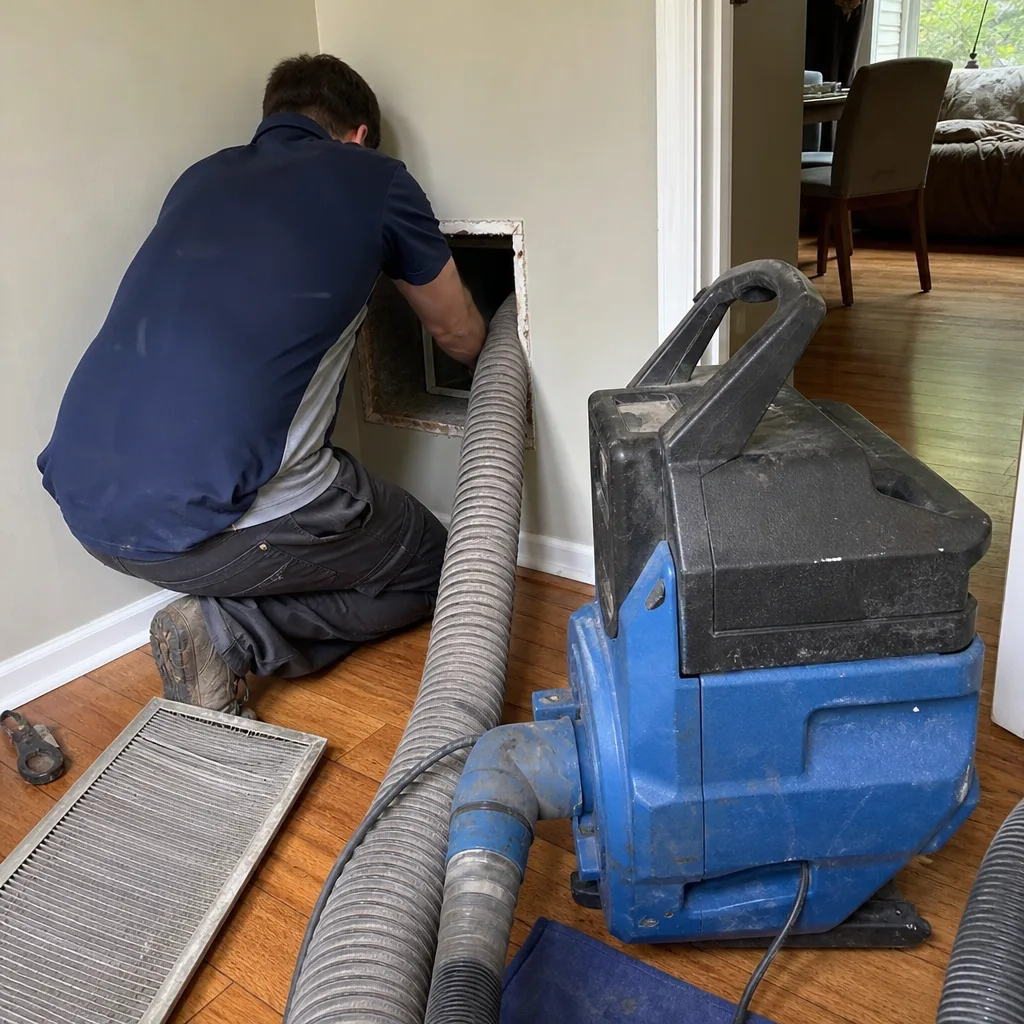 Before
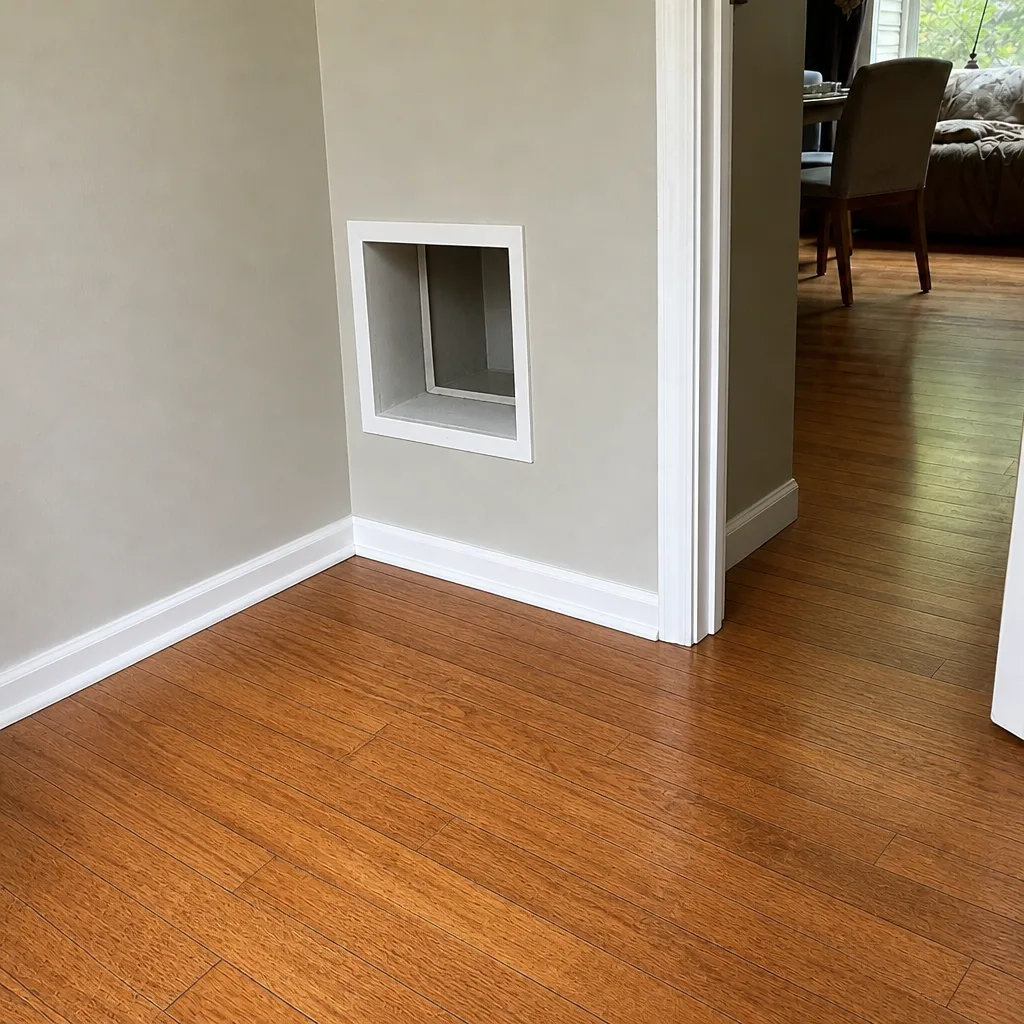 After
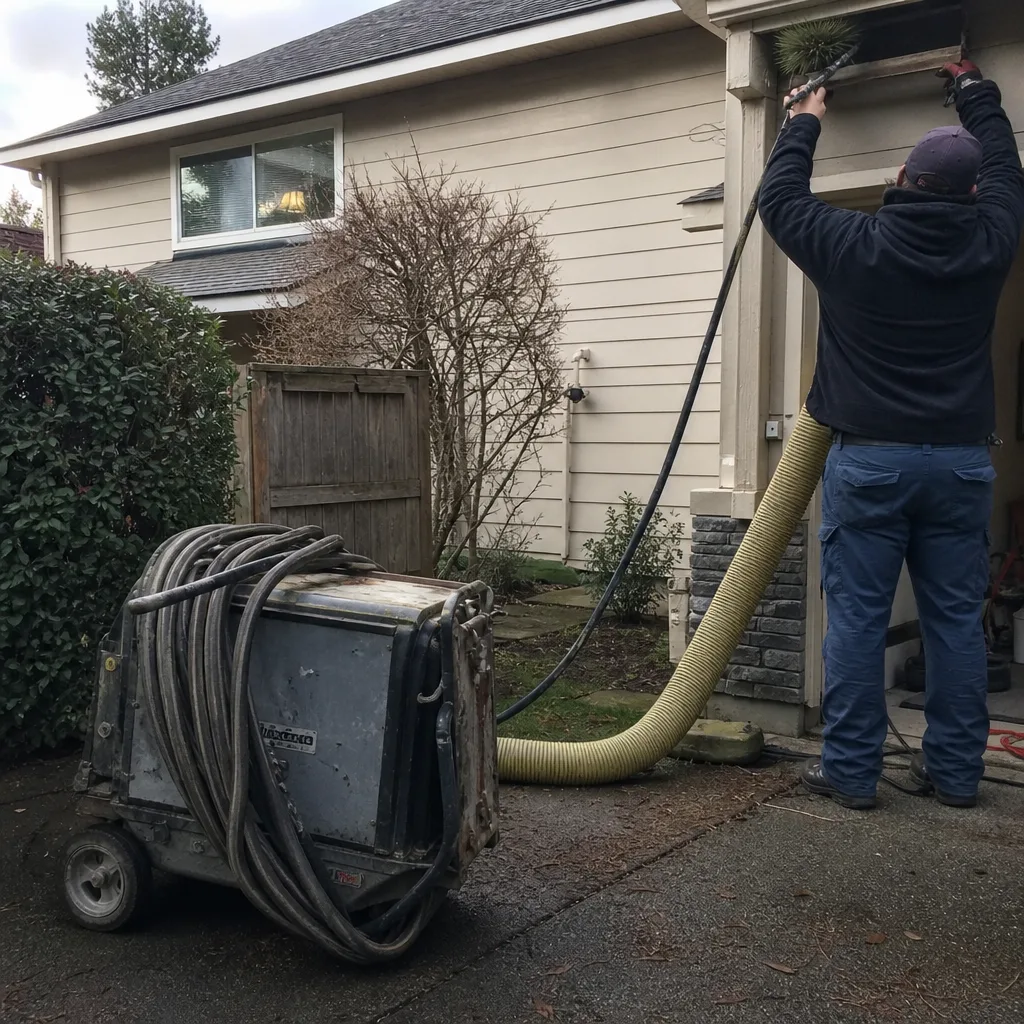 Before
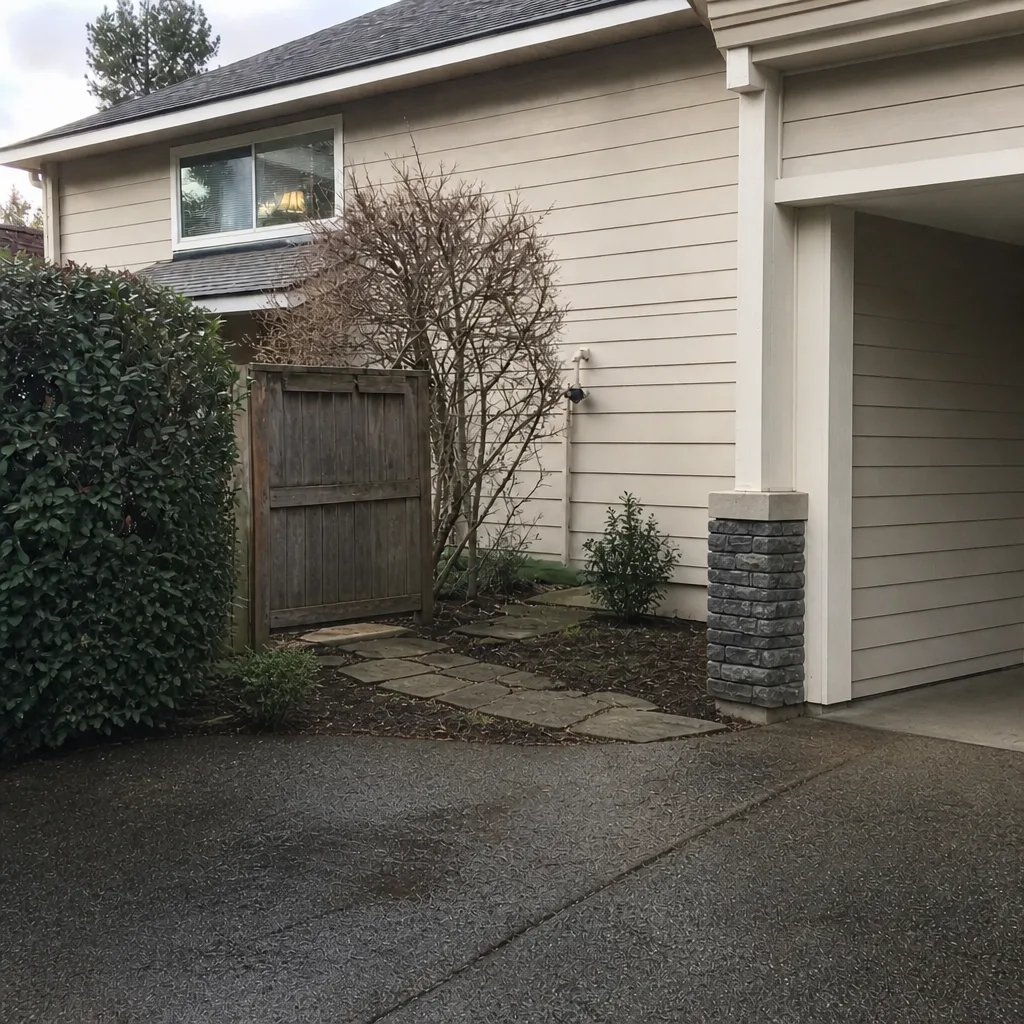 After
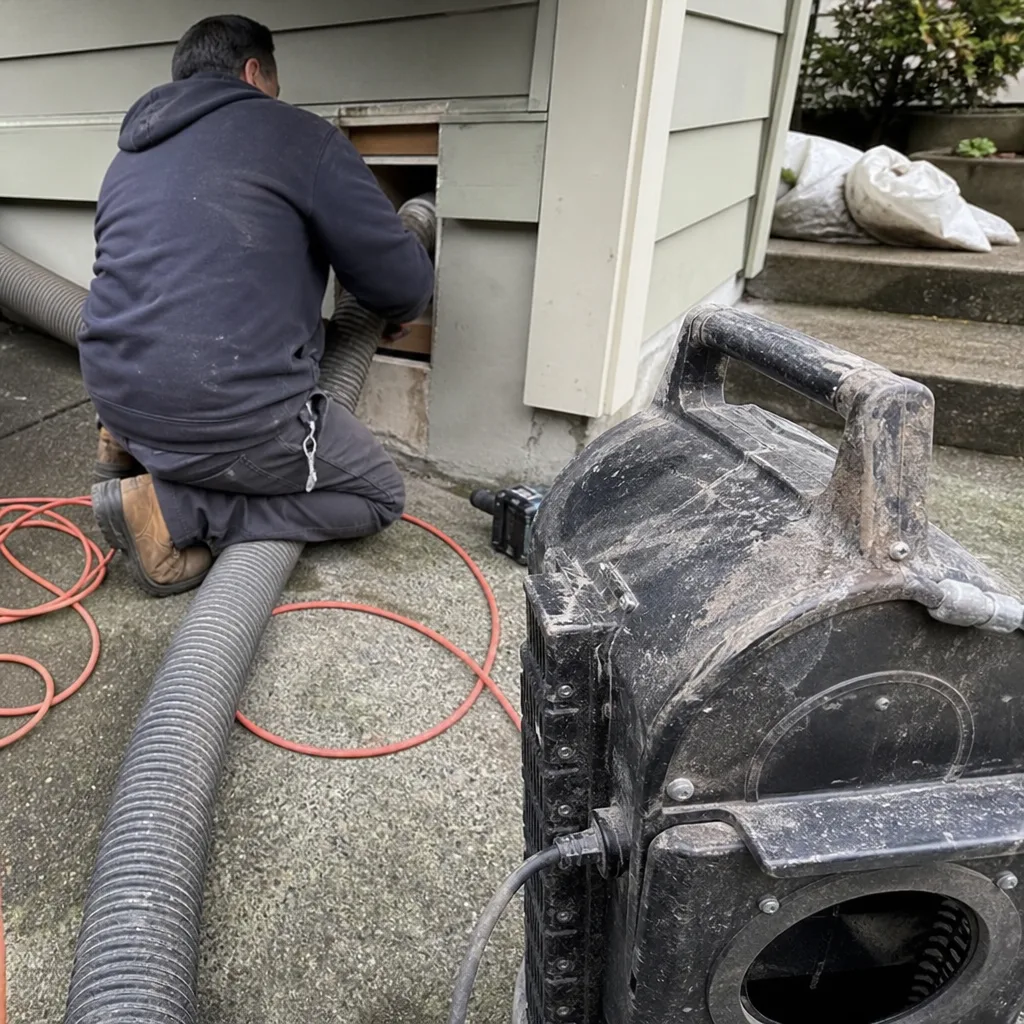 Before
 After
Common Mistakes to Avoid
- Blaming the ducts for every smell. Crawl space moisture and roof leaks produce plenty of musty smells on their own. Ruling those out first saves money and prevents a wrong fix.
- Booking a cleaning without an inspection. A cleaning crew that quotes a flat price over the phone, without looking at the system, is guessing. And a coupon-driven crew that shows up with a shop vac is a different category of service entirely. Ask what equipment they use and be specific.
- Skipping the ducts after a renovation. Drywall dust and construction debris don’t clear on their own. Waiting a year or two only gives them more time to work into the entire system.
- Assuming cleaning fixes leaks. A disconnected duct stays disconnected after cleaning. If a room is still cold or hot after the work, you’re looking at a repair, not a cleaning issue.
- Ignoring a filter that clogs in weeks. Fast clogging usually means something upstream is loading it, and the ducts are the most common upstream source.
- Thinking Bellevue’s mild climate means ducts need less attention. The long shoulder seasons here mean the system runs more across the year, not less, and the humidity gives mold and mold spores more opportunity.
- Hiring a company that can’t repair or seal. Cleaning alone leaves the source problem in place. A company with the tools for repair and the equipment for cleaning saves you from a second contractor and a second diagnosis.
When to Call a Professional
Call a professional when two or more of the warning signs line up, when the ducts have never been inspected, or when there’s a smell you can’t trace. Call sooner if the home has had recent renovation work or if someone in the house has respiratory symptoms that started recently. Call immediately if you see visible pest evidence or damaged flex duct, because both are active problems rather than something to watch.
A professional assessment is the fastest way to tell cleaning apart from repair, and it’s the difference between a fix and a repeat visit. Bellevue Air Duct Cleaning Co offers free estimates in Bellevue – call (888) 845-6042. Our team works with air duct cleaning, HVAC cleaning, and dryer vent cleaning, and we can put numbers on the job before anything starts.
Frequently Asked Questions
You need duct cleaning if three or more of the warning signs line up: visible dust buildup at multiple registers, a musty smell that peaks when the system runs, uneven room temperatures, a filter clogging fast, or recent renovation work. Cleaning alone isn’t always the right answer. Signs like whistling registers or disconnected flex duct point to repair and sealing. Call (888) 845-6042 for a free estimate before you book a cleaning.
Somewhat. Bellevue’s wet winters mean crawl space moisture and duct condensation are more common than in dryer markets. The long cool shoulder seasons mean the fan runs more hours across the year, so contamination has more time to circulate. Homes near the lake and wooded areas also draw in more pollen and organic debris in spring and fall. Everything else (dust, musty smell, uneven rooms) is universal. Call (888) 845-6042 to schedule an assessment.
Most Bellevue homes fall in a whole-system range that depends on the number of registers, system layout, and condition. We don’t quote per-vent prices because that’s how bait-and-switch pricing happens. The written estimate sets the final price, and it’s based on what the system actually needs. Call (888) 845-6042 for an exact quote – estimates are free.
Cheap quotes usually reflect a shop-vac or a consumer-grade machine rather than professional equipment, and they often are priced per vent with a low opening number that grows once the technician is on site. A real cleaning uses a Rotobrush or Nikro system with HEPA filtration and includes a full-system inspection. The written estimate should be one flat price per system, agreed before work starts. Call (888) 845-6042 to compare an honest number.
Most homes need it every three to five years, with more frequent cleaning after renovation, pest problems, or water intrusion. Homes with indoor pets or severe allergies often benefit from the shorter end. A professional inspection is the right way to set the interval for your specific home. Call (888) 845-6042 to schedule one.
You’ll know from before-and-after photos of your own ducts, taken during the job. A professional cleaning should also include a visible change in register dust and a report on any duct issues found. Ask for the photos before the crew leaves. Call (888) 845-6042 for a free estimate and a clear scope of work.
The Bottom Line
Most duct warning signs are quiet and easy to misread. Dust, musty smells, and uneven rooms each have an innocent explanation. When they line up, though, the common cause is often a duct system that’s actively distributing contamination instead of removing it. The four reliable signposts are visible debris at the registers, musty smells that sharpen when the fan starts, uneven temperatures, and recent renovation work. Pair any of those with a filter that clogs fast, and the case for an inspection is strong. Cleaning fixes contamination. Repair and sealing fix the source. Getting the diagnosis right the first time is what saves the second and third call. If any of these signs are present in your Bellevue home, an inspection is a short, simple next step.
Bellevue Air Duct Cleaning Co works with professional-grade equipment from Rotobrush, Nikro, Abatement Technologies, and brands like Honeywell and Aprilaire, and we offer cleaning, repair, sealing, and air sanitizing as a single service. Call (888) 845-6042 for a free estimate. We answer 24/7. Fast dispatch from 7am to 7pm, Sunday through Friday, and we’re closed Saturday.
Written by the team at Bellevue Air Duct Cleaning Co.