
Last updated November 23, 2026
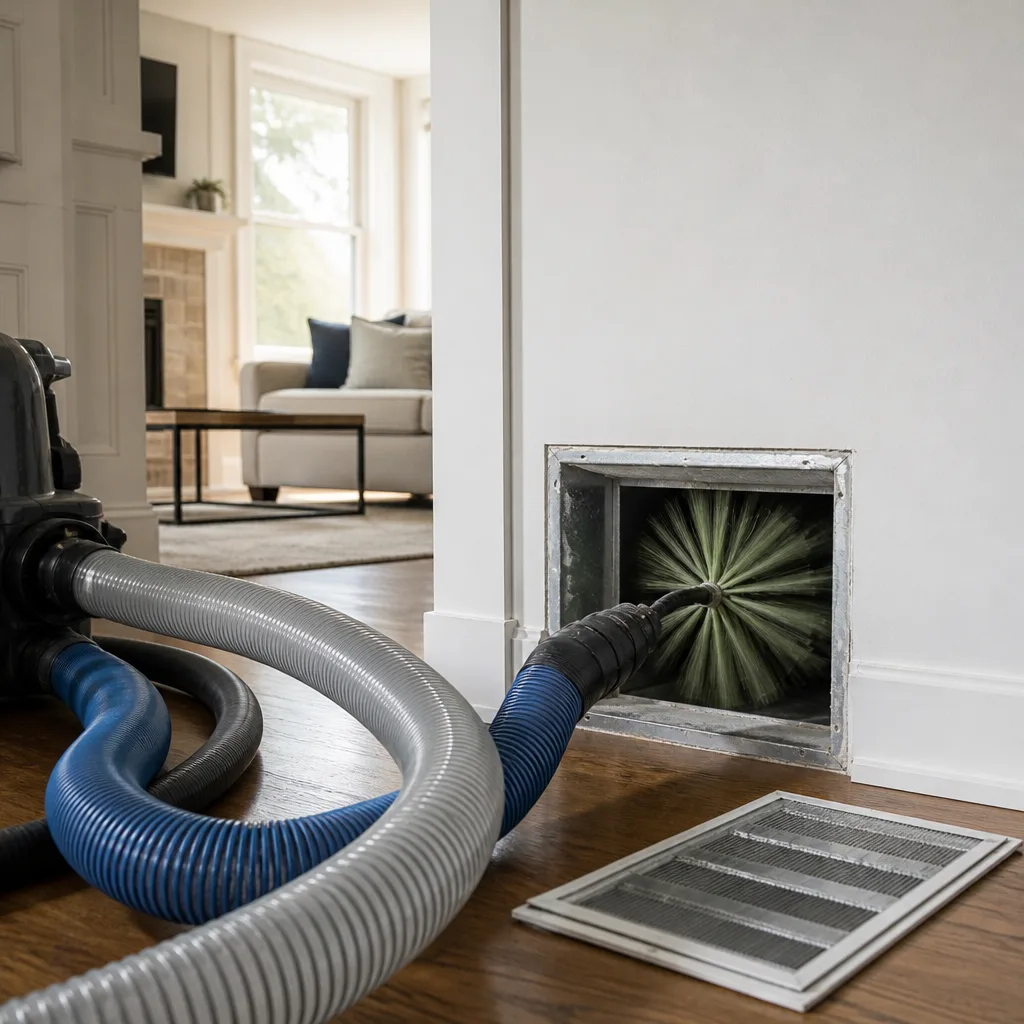 Whole-home duct cleaning
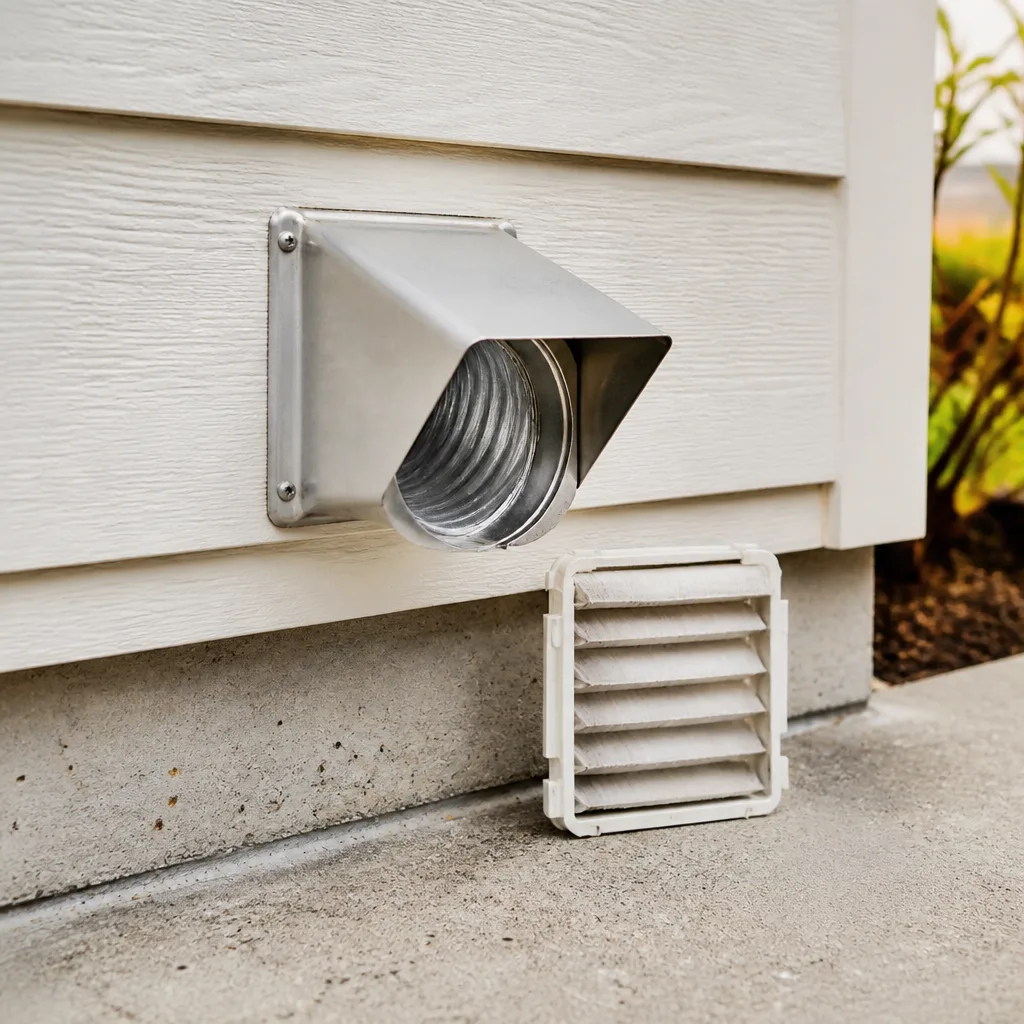 Dryer vent cleaning
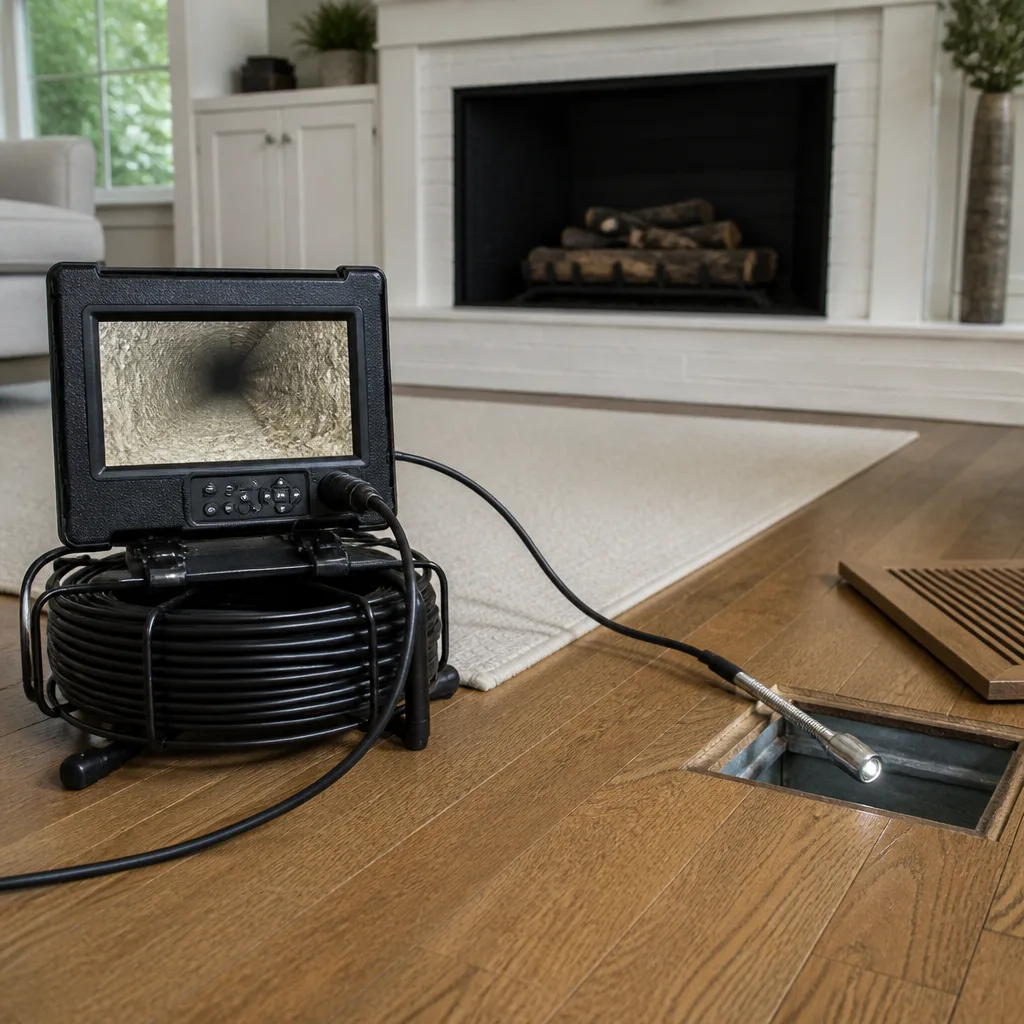 Camera inspection
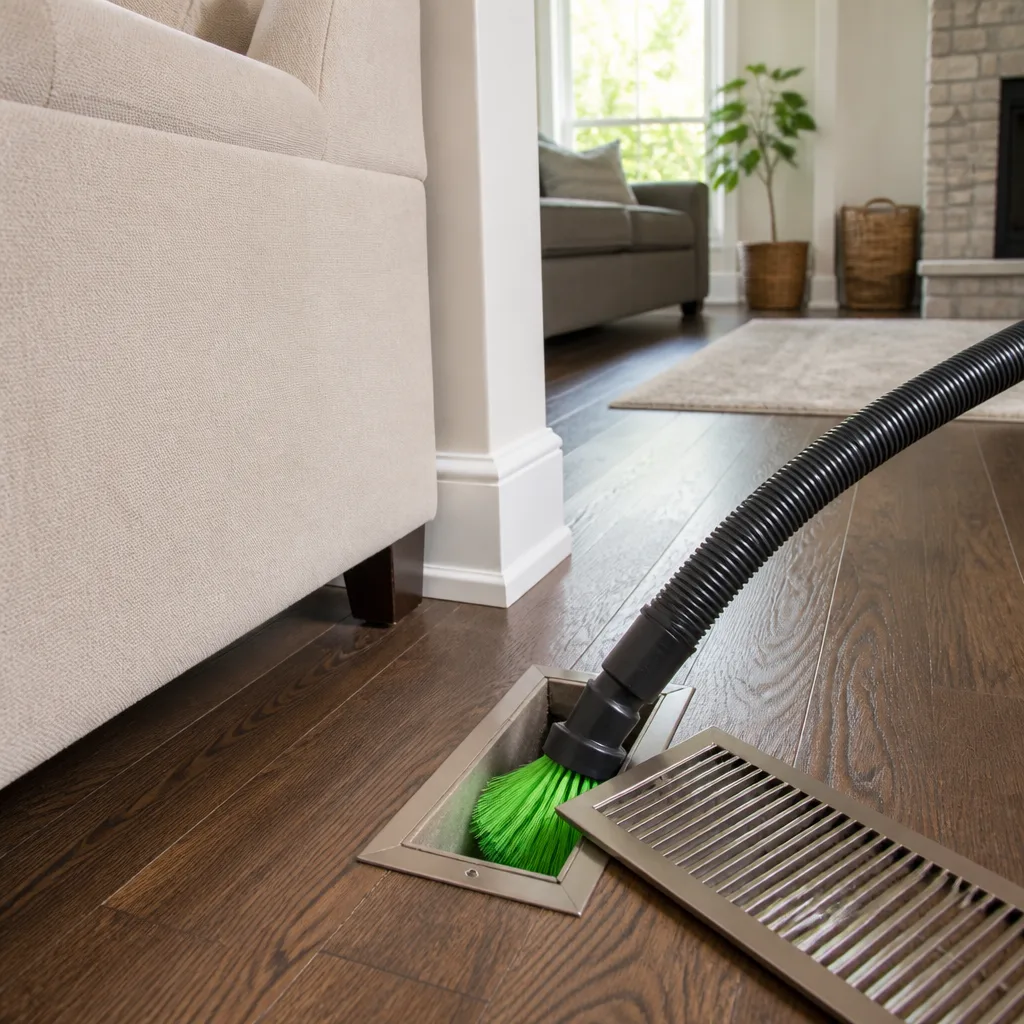 Sanitizing & deodorizing
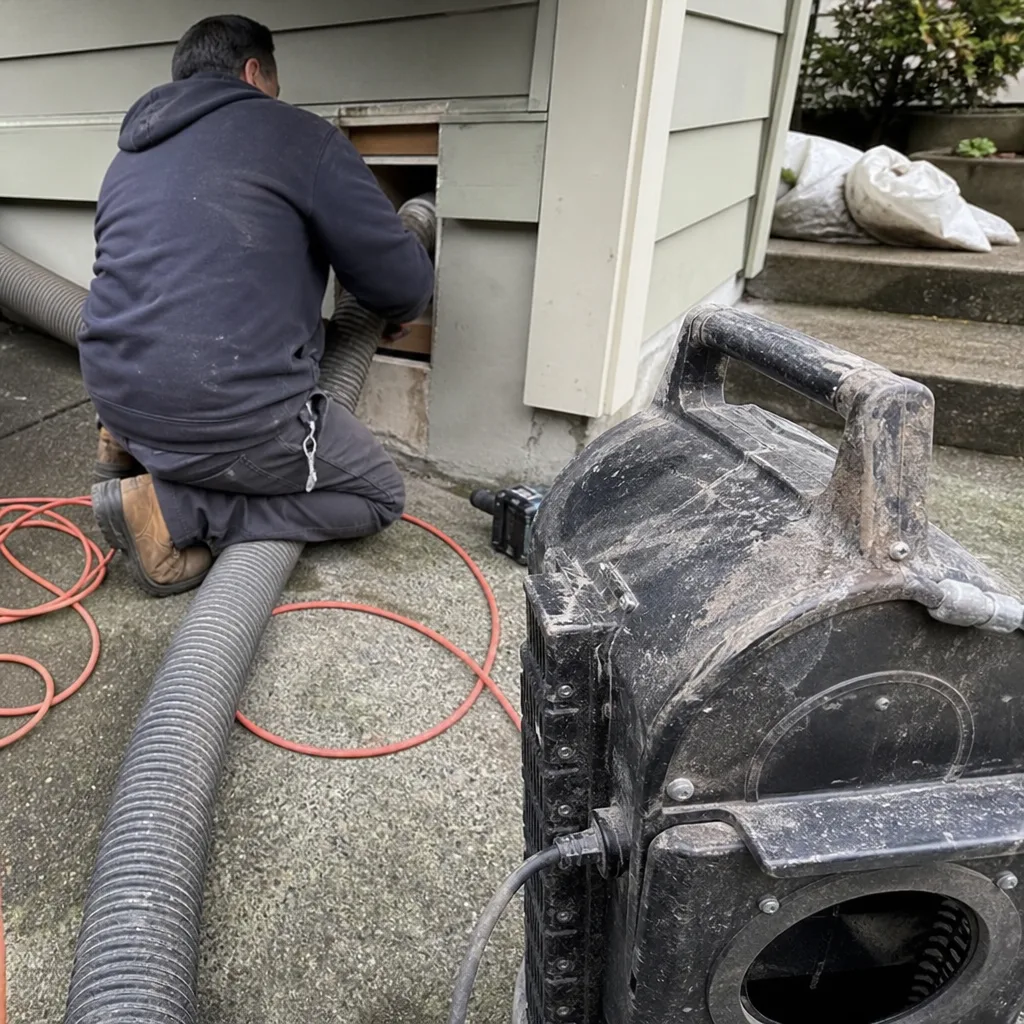
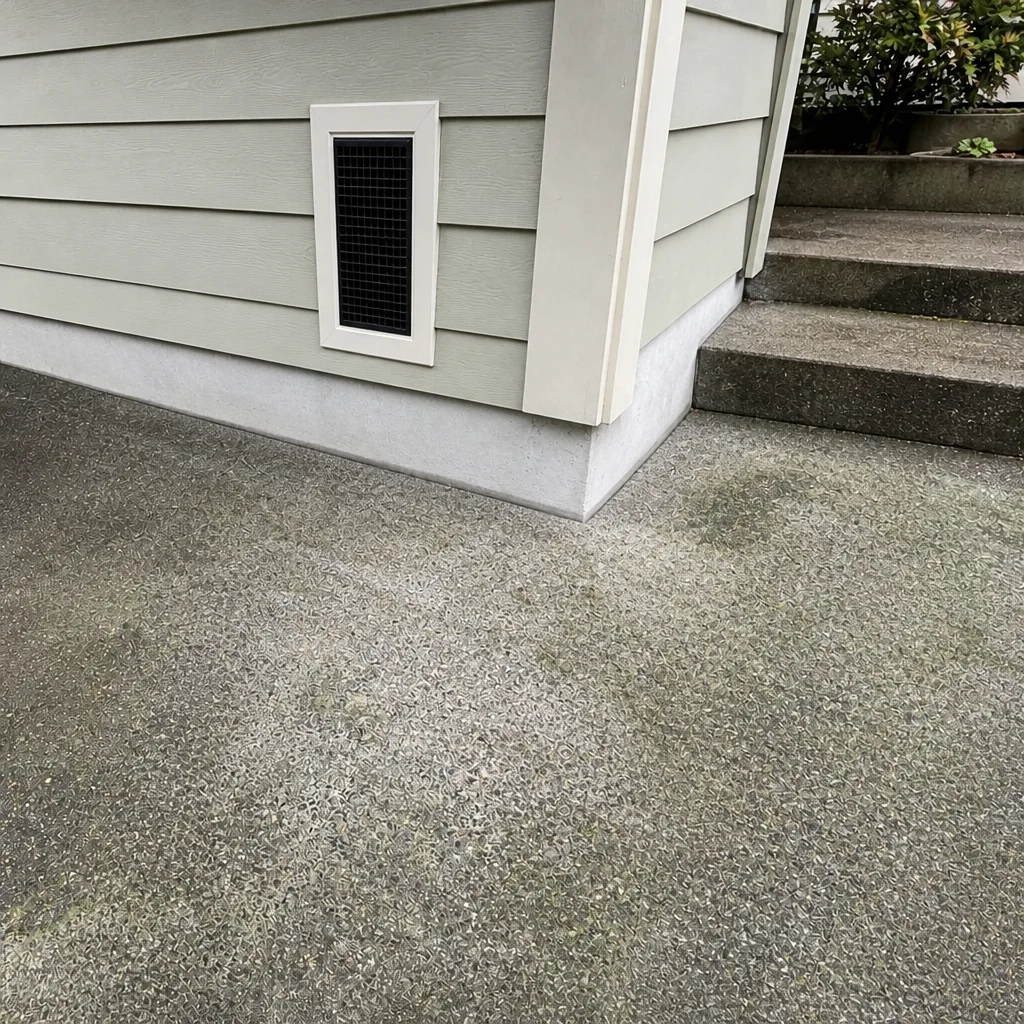
Whole-system duct and dryer vent check with before-and-after photos - you see exactly what came out of your vents
That "$99 whole-house special" is a bait ad - the real number appears once they are in your hallway, or the "clean" is a shop-vac at the register. We photograph the inside of your ducts before and after instead.
DIY vs Professional Air Duct Cleaning: The Bellevue Homeowner’s Decision Guide
Here’s the part most DIY guides leave out: a rented duct cleaning kit or a dryer vent brush pushed into a supply register doesn’t clean your duct system. It stirs up the loose debris sitting in the first few feet of duct and blows the rest back into the room you’re standing in. That’s not a knock on your effort. It’s a physics problem. The core of professional duct cleaning is source removal under strong, sustained negative pressure, and the equipment that creates that pressure can’t be bought at a hardware store or rented for a weekend. In this guide we’ll walk through exactly why that’s true, what you can reasonably do yourself, and where the line sits. We’ll also flag the Bellevue-specific realities that make some of this matter more here than in a drier climate.
Styles & brands we work with
- Whole-home duct cleaning
- Dryer vent cleaning
- Camera inspection
- Sanitizing & deodorizing
Quick Answer
Professional air duct cleaning in Bellevue removes debris at the source using truck-grade negative pressure and mechanical agitation that consumer or rental equipment can’t match, and DIY attempts mostly redistribute dust into your living space. If your ducts haven’t been cleaned in years, you’ve noticed musty odors or inconsistent airflow, or someone in the house has developed seasonal allergy symptoms, it’s a professional job. A few tasks genuinely belong to you: register cleaning, return grille washing, filter changes, and inspecting the dryer vent.
Table of Contents
- Why CFM and Static Pressure Decide This Debate
- What DIY Duct Cleaning Actually Does (and Doesn’t)
- What You Can Legitimately Do Yourself
- When DIY Attempts Make Professional Cleaning Harder and Costlier
- The Real Cost Calculation: DIY Supplies vs. Professional Pricing
- The One Job Worth Doing Yourself: A Straight Dryer Vent Run
- Bellevue Factors That Change the Equation
- Common Mistakes to Avoid
- When to Call a Professional
- Frequently Asked Questions
Why CFM and Static Pressure Decide This Debate
Duct cleaning is a numbers game before it’s anything else. The air volume a system can move is measured in cubic feet per minute, or CFM, and the resistance in the ductwork is measured in static pressure. To pull debris out of a duct run at the source instead of just loosening it into the room, you need to move a serious volume of air while maintaining suction at the farthest branch line. That means somewhere in the thousands of CFM range, held steady through the length of the system. Industry standards for source removal cleaning, as published by the National Air Duct Cleaners Association (NADCA), assume equipment in that class.
Now look at what’s available to a homeowner. A shop vac is rated in peak horsepower and airflow that drops sharply the moment you attach a hose. A rented “duct cleaning kit” is typically a flexible brush on a drill or a short hose with a nozzle. It has no vacuum reservoir behind it. It cannot hold suction at the far end of a twenty-foot branch run because nothing is generating that suction in the first place. It agitates. It doesn’t extract.
This is why we run Rotobrush and Nikro systems. Those are the same professional duct cleaning platforms used in commercial and restoration work, and the design difference isn’t cosmetic:
- Contact agitation plus extraction. The rotating brush or whip loosens debris from the duct wall while the vacuum pulls it back into a sealed collection system.
- Sealed collection. Loose debris goes into a canister or outside the house, not back into your hallway.
- Pressure maintained at the far end. The vacuum reservoir is there to hold suction at the branch line, not just at the register.
That’s the whole reason DIY and professional aren’t two versions of the same task. They’re different tasks that share a name.
What DIY Duct Cleaning Actually Does (and Doesn’t)
When a homeowner cleans a register, removes the grille, and runs a brush or vacuum hose into the boot, they’re reaching the first section of the branch line. That’s a real surface. It also happens to be the section that’s least full of debris, because it’s the closest to the return path and sees the most airflow. The deeper problem, the settled dust and debris along the long runs toward the air handler, sits a foot or more past where any consumer tool can reach with meaningful suction. Here’s the honest breakdown of what DIY can and can’t achieve:
- Registers and boots (first 1-2 feet): reachable with a brush and vacuum. Real improvement in visible dust and lint.
- Return grilles: easy to remove and wash. Meaningful improvement in airflow and dust load.
- Long supply and return runs: not reachable. Agitation without extraction redistributes debris into rooms.
- The plenum and air handler cabinet: not accessible without proper equipment and training. Also where the worst buildup often sits.
- Sealing, repair, and sanitizing: outside DIY scope. Bellevue Air Duct Cleaning Co’s air duct cleaning pulls the full system into one process, which is a completely different scope of work.
Here’s the most useful framing we can offer: DIY duct cleaning isn’t zero-value. It’s just a different category. It’s surface maintenance. Professional cleaning is source removal. Both have a place, and the place for DIY is the surface.
What You Can Legitimately Do Yourself
This is where we want to be direct with Bellevue homeowners, because a lot of DIY advice online is written to sell a rental. Here are the things that genuinely belong on your side of the line, and doing them well extends the interval between professional cleanings:
- Wash the return grilles. Remove them, wash with mild soap and warm water, dry fully, and replace. A return grille loads up fast because it’s the front door for the whole system. Washing it every few months improves airflow immediately.
- Vacuum the supply registers. Not into the duct. Just the face of the register and the visible boot opening. Use a brush attachment and a household vacuum with a HEPA or fine filter.
- Change the air filter on schedule. A clogged filter starves the system and increases static pressure on the blower, which is bad for the equipment and bad for your air. Honeywell and Aprilaire filter systems make this easy to track because they’re designed around maintenance intervals rather than guesswork.
- Inspect the dryer vent line. Look into the outdoor termination or behind the dryer (with the dryer unplugged) and check for visible lint buildup. A flexible brush and a competent vacuum can handle a short, straight run safely.
- Keep the returns clear. Furniture, rugs, and boxes against a return grille cut the whole system’s performance. That’s a two-minute fix that matters more than people realize.
What all of these share: they touch surfaces you can see. They don’t pretend to reach the plenum, the long runs, or the coil and air handler cabinet. That’s the line.
When DIY Attempts Make Professional Cleaning Harder and Costlier
We’ve walked into homes in Bellevue where the homeowner spent an afternoon with a rented brush kit and ended up paying more, not less, for the professional job afterward. That’s a frustrating outcome, and it’s avoidable. Here’s what tends to go wrong:
- Disturbed debris. Agitation without extraction pulls settled dust off the duct wall and drops it into the lower half of the duct where it’s harder to reach. The professional cleaning takes longer, not less time.
- Damaged flex duct. Flexible duct has a thin liner inside the insulation. A stiff brush at speed will tear that liner, and once torn, the duct loses performance and needs to be replaced rather than cleaned. That repair lands firmly in duct repair and sealing, not cleaning.
- Chemical treatments that mask odors. Fogging a duct system with a consumer product to hide a musty smell doesn’t address the source. In Bellevue, musty odors in a duct system usually trace to moisture somewhere in the building envelope or a return line that pulls from a damp crawl space. Masking it makes the eventual diagnosis harder.
- Loose joints and dislodged dampers. Pushing a hose into a branch run has a way of unseating a damper blade or popping a taped joint. Now the professional cleaning includes repair work that wasn’t on the original estimate.
- Blocked dryer vent brushes. A brush that breaks off or jams inside a dryer vent run turns a simple cleaning into a vent repair or replacement.
The pattern is consistent: DIY doesn’t reduce the cost of professional work. In the cases where it goes wrong, it adds to it.
The Real Cost Calculation: DIY Supplies vs. Professional Pricing
This is the section where most guides either get vague or quote per-vent prices, which we won’t do. Professional duct cleaning is priced per system, not per vent, because the work is per system. Per-vent pricing is what produces the surprise invoice: a low advertised number, a dozen “extra” vents once the technician is on site, and a total that’s double what you were told. What you get from a reputable provider is a flat price agreed before work starts, so the estimate you sign is the price you pay.
Here’s the honest math on each side:
- DIY supplies: a rental or purchased duct brush kit, a shop vac strong enough to hold any suction at all, a flexible dryer vent brush, tape, filter replacements, and an afternoon. The dollar number looks modest. The output, per the section above, is surface-only.
- Professional cleaning: a whole-system flat price, agreed in writing before work. Includes the negative pressure equipment, agitation tools, and collection. Should include a post-cleaning inspection that confirms the system was actually cleaned.
- What the extra money buys beyond the cleaning: diagnosis of airflow problems, confirmation that flex duct is intact, identification of unsealed joints and returns, and an honest assessment of whether repair or sealing is needed. That’s meaningful value that no rental kit delivers.
When you compare, compare like for like. DIY touches the surfaces you can reach. Professional cleaning touches the whole system. Once those are lined up on the same row, the price difference is smaller than it looks, and the post-cleaning inspection is what turns the work into something you can verify.
The One Job Worth Doing Yourself: A Straight Dryer Vent Run
There is one scenario where DIY is genuinely the right call, and it’s a specific one: a dryer vent with a single, straight run to the outside and easy access to both ends. If your dryer backs up against an exterior wall and the vent goes straight out, that’s a DIY-friendly job. Here’s how to do it correctly:
- Unplug the dryer and pull it away from the wall. Disconnect the flexible transition duct on the back.
- Check the outdoor termination for a lint flap that opens and closes freely, and clear any visible lint from the outside vent hood.
- Run a dryer vent brush through the straight run from the outside. Attach it to a drill on low speed. Add sections of rod as you go, and keep the brush moving so it doesn’t bind.
- Vacuum the debris that comes loose at both ends. A shop vac with a narrow nozzle works well here.
- Reconnect the transition duct with a proper metal clamp, not tape alone. Push the dryer back, plug it in, and run it on air-fluff for a minute to confirm airflow.
Now the caveat: that scenario requires straight. If the vent has elbows, runs more than about two stories, or terminates through the roof, DIY is the wrong call. Compressed lint in an offset run is a fire hazard, and a dryer vent brush that jams inside a bend is a repair job. Our dryer vent cleaning covers the bends and long runs that a homeowner shouldn’t tackle.
Bellevue Factors That Change the Equation
Bellevue’s climate profile matters more to duct health than most people realize. Wet, cool, long-shouldered seasons mean HVAC systems run in heating mode for most of the year, which means more air cycles through the ductwork annually than in a milder market. More cycles, more dust load. Homes in the Bridle Trails and Crossroads areas that sit under heavy tree canopy pull more pollen and organic debris into returns during spring and early summer. Homes closer to Lake Sammamish and Lake Washington deal with higher year-round humidity, which is when musty odors and mold concerns in duct systems actually start.
Housing stock matters too. Bellevue has a wide mix, from older homes in Enatai and Newport with duct layouts designed decades ago to newer builds in the BelRed corridor with sealed, high-performance envelopes. Older duct systems tend to have more unsealed joints and flex transitions, which is where air loss and dust infiltration live. Newer builds often have better-sealed ductwork but tighter envelopes, which means any contaminant inside the system gets recirculated rather than diluted. Same symptom, different cause, and both point to the same answer: the whole system needs an assessment, not just a cleaning.
This is why we don’t treat duct cleaning as an isolated task. Bellevue Air Duct Cleaning Co works with Honeywell and Aprilaire air quality systems and offers duct repair and sealing alongside cleaning, because a cleaned duct system with unsealed joints is only half the job. Clean ducts are only half the job in general, and our HVAC cleaning covers the air handler side of the system that no DIY approach reaches.
Common Mistakes to Avoid
- Renting a “duct cleaning kit” from a hardware store. These are brush-and-hose tools with no extraction capability. They agitate debris into your living space instead of removing it.
- Running a shop vac into a supply register. A strong shop vac can hold a little suction at the register face, but nothing beyond the boot. It’s a visible-dust solution marketed as a system cleaner.
- Using consumer foggers to mask a musty smell. In Bellevue, musty odors usually trace to moisture entering the system somewhere in the building envelope. A fogger hides the symptom and makes the diagnosis harder.
- Cleaning only the registers because they’re the visible part. Registers are the front door, not the problem. Long runs, plenums, and the air handler cabinet are where the debris actually settles.
- Skipping the dryer vent because it looks fine from outside. A Bellevue dryer vent that terminates through a wall can look clear at the hood while the run behind the dryer is packed with compressed lint. Inspect both ends.
- Hiring on price alone. A teaser price per vent is the source of this industry’s reputation problem. Ask for a flat whole-system price in writing, ask what equipment will be used, and ask whether before-and-after photos are provided.
- Cleaning without inspecting the system afterward. A thorough job includes a post-cleaning inspection that confirms the system was actually cleaned. Skip that and you have no way to verify what happened.
When to Call a Professional
Call a professional if any of the following describes your situation: your ducts haven’t been cleaned or inspected in several years; you’ve noticed a musty smell when the system starts up; airflow at some registers is noticeably weaker than others; someone in the house has developed allergy symptoms that track with HVAC use; you’ve recently finished a remodel or bought a home in Bellevue without a duct cleaning history; or you’ve noticed visible dust buildup around registers. Our technicians have up to 12 years of experience and use Rotobrush and Nikro systems, plus Abatement Technologies equipment for the air quality side when contamination is involved. Bellevue Air Duct Cleaning Co offers free estimates in Bellevue – call (888) 845-6042. The price is set per job by the written estimate, and the local pro is licensed and insured as their state requires.
Frequently Asked Questions
Professional duct cleaning in Bellevue is priced per system, not per vent, and a written estimate sets the final price before work starts. That flat-price-per-system model is the reason we don’t quote per-vent numbers: a per-vent price is where the “surprise invoice” pattern comes from. Call (888) 845-6042 for a free estimate on your specific system – the estimate is free and the price is set in writing.
Cheap quotes usually come from two sources: a teaser price that assumes a small number of vents and adds up unexpectedly, or a low equipment investment that doesn’t include real negative pressure and mechanical agitation. The difference isn’t hustle. It’s whether the crew is running professional-grade equipment like Rotobrush or Nikro or just a shop vac and a brush. Ask what equipment is used and whether the work includes a post-cleaning inspection. Call (888) 845-6042 if you want a written, whole-system estimate to compare against.
Ask for before-and-after photos of your own ducts, taken at the register openings and, where accessible, at the air handler. A company that can’t produce photos of what was actually cleaned has no way to demonstrate the work. We also recommend a post-cleaning inspection as standard practice – if your provider doesn’t offer one, that’s a signal. Call (888) 845-6042 to schedule an estimate that includes the inspection.
Most homes in Bellevue land on a several-year cycle, but the honest answer depends on the individual system. Homes with pets, recent remodels, heavy tree canopy, or a history of moisture issues tend to need it sooner. Homes with well-maintained filters and clean returns can go much longer. An inspection is the fastest way to know. Call (888) 845-6042 and we’ll scope it accurately.
A shop vac and drill brush can clean a visible register or a boot opening. They can’t hold the negative pressure required for source removal cleaning along the length of a duct run, which is the actual definition of duct cleaning. At best, they agitate debris into your living space. If you want to do meaningful work yourself, focus on returns, registers, filters, and a straight dryer vent line.
Bellevue’s cool, long heating season means more air cycles through the system annually, and the wet months raise the stakes on moisture in the building envelope. Homes under heavy tree canopy around Bridle Trails and Crossroads see more pollen and organic debris pulled into returns than homes in more open parts of Bellevue. The local read: get an inspection if it’s been several years, especially before an allergy season. Call (888) 845-6042 to schedule one.
The Bottom Line
DIY duct cleaning and professional duct cleaning aren’t competing versions of the same job. One cleans the surfaces you can see. The other removes debris at the source, using equipment that has no consumer equivalent. Do the things that belong to you: wash returns, vacuum registers, replace filters, and inspect a straight dryer vent run. For the system itself, the plenum, the air handler, the long jumps, and the sealing and repair that most cleaners skip, the right call is professional. If you want a flat, written estimate on the whole system rather than a per-vent guess, call Bellevue Air Duct Cleaning Co at (888) 845-6042. We answer 24/7. Fast dispatch from 7am to 7pm, Sunday through Friday. The local pro is licensed and insured as their state requires, and one call covers cleaning, repair, sealing, and air quality – the full system, not just the dust you can reach.
Written by the team at Bellevue Air Duct Cleaning Co.
See the difference
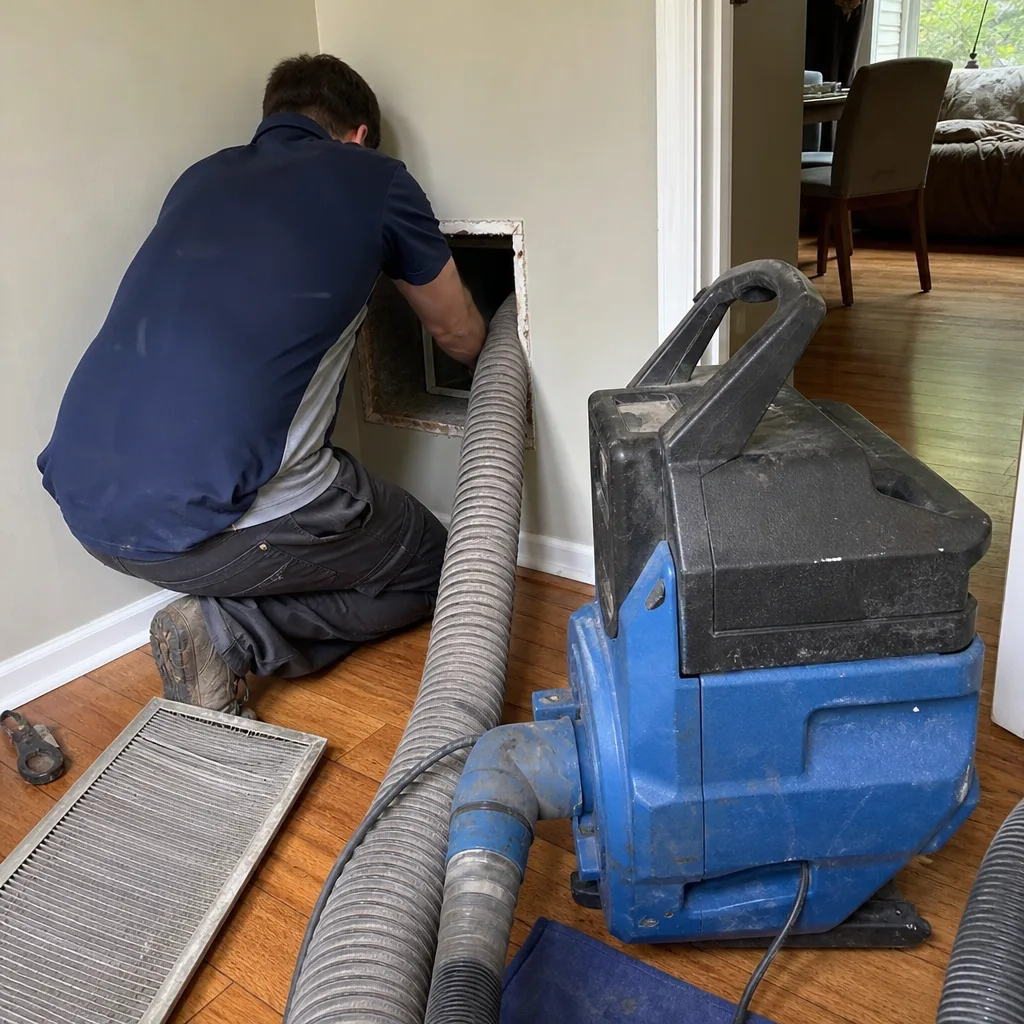 Before
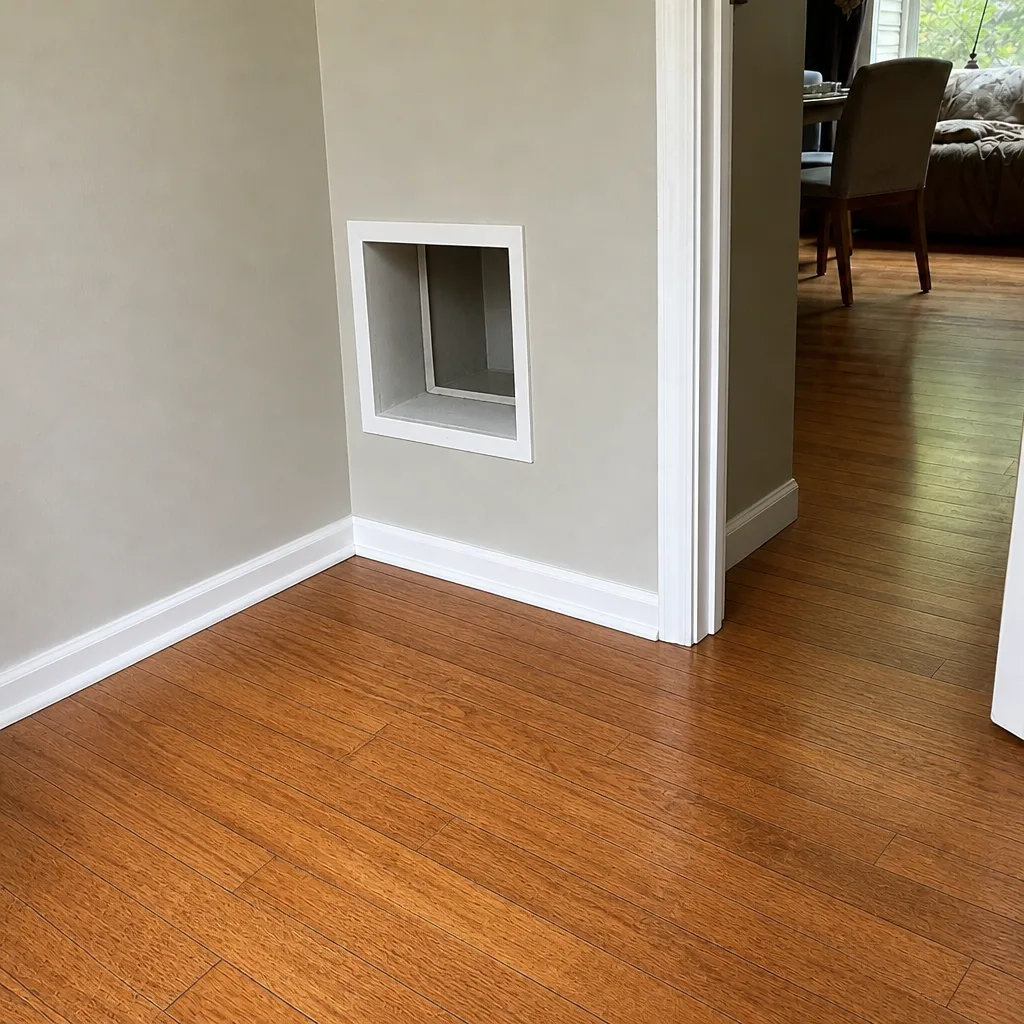 After
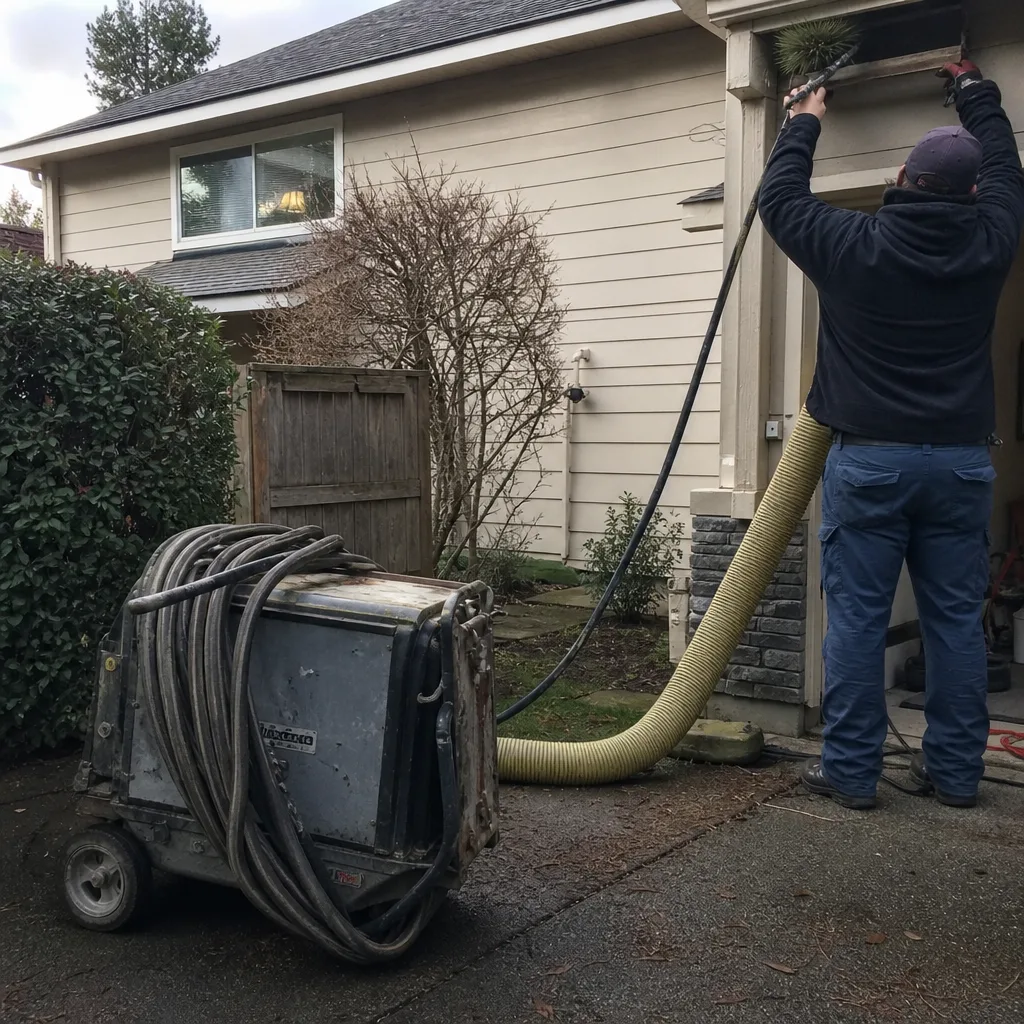 Before
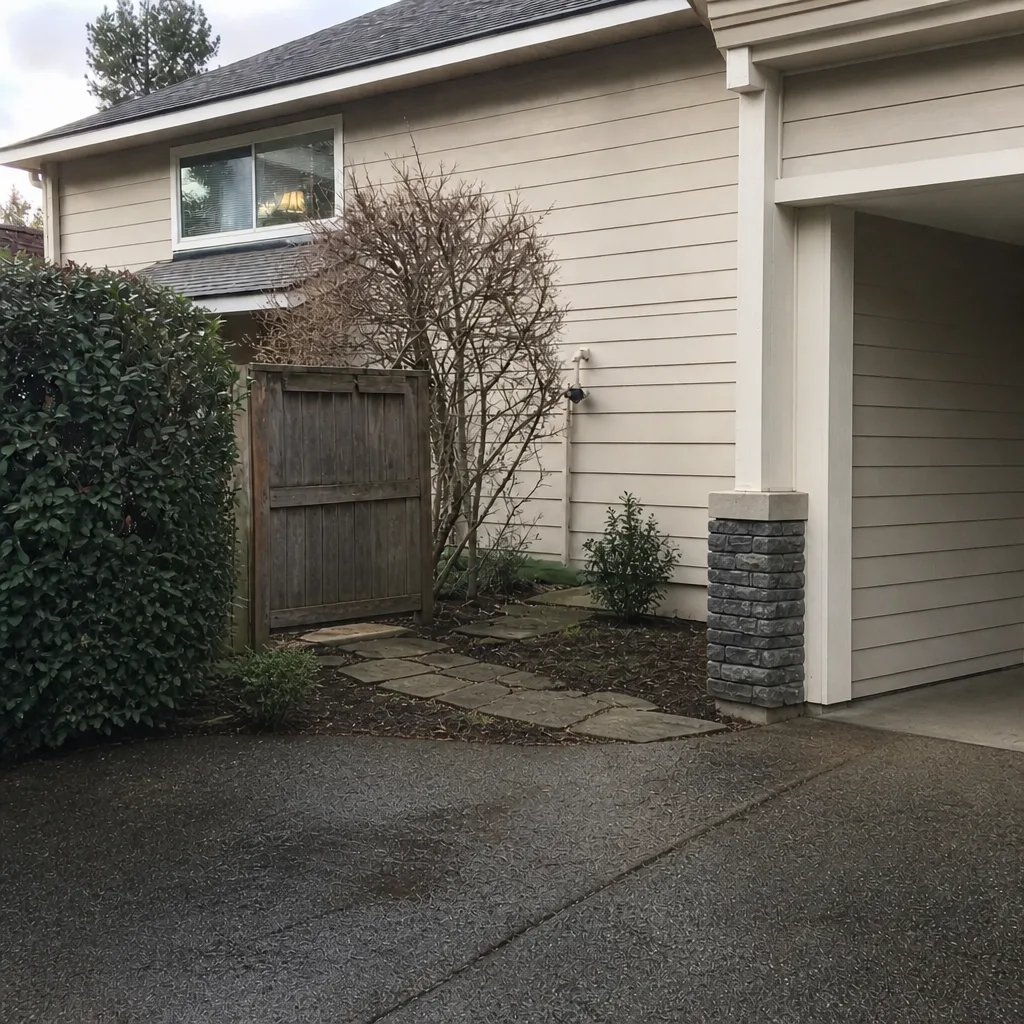 After
 Before
 After