
Last updated November 23, 2026
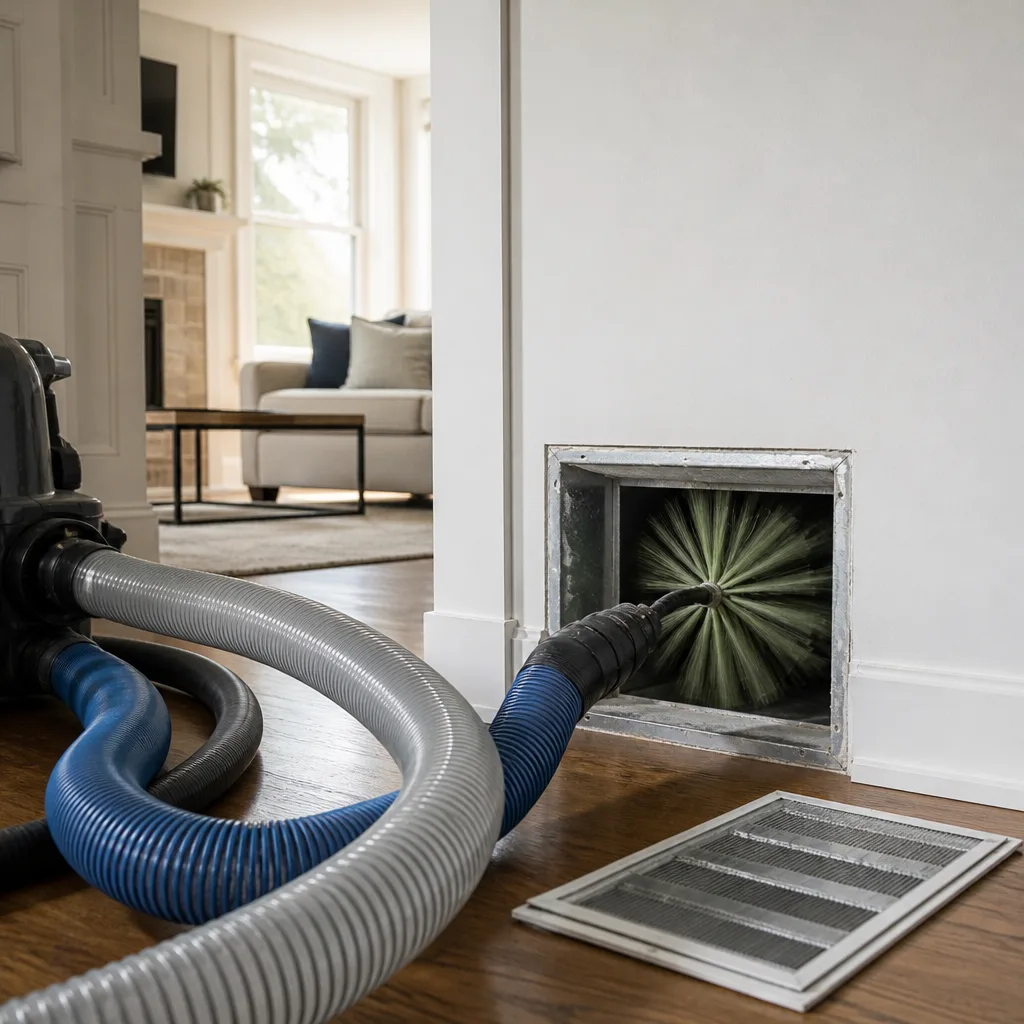 Whole-home duct cleaning
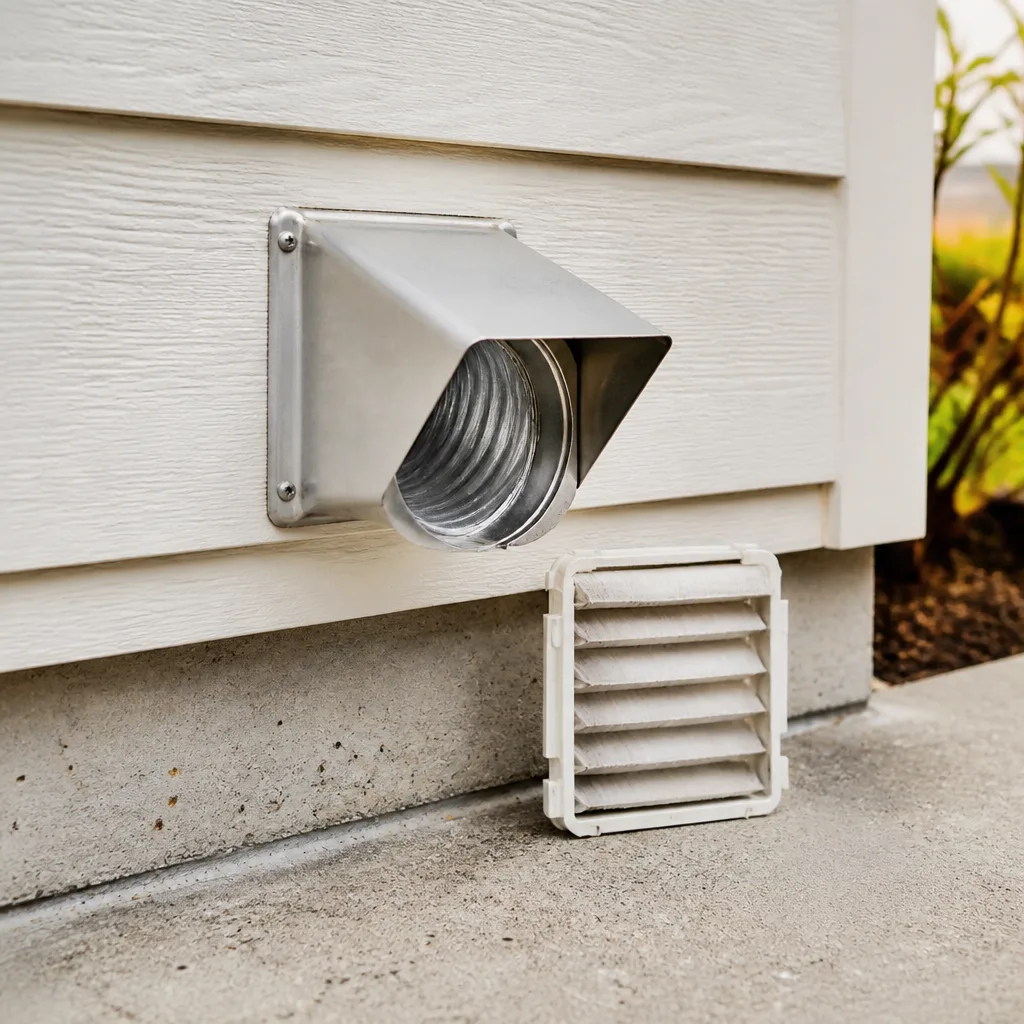 Dryer vent cleaning
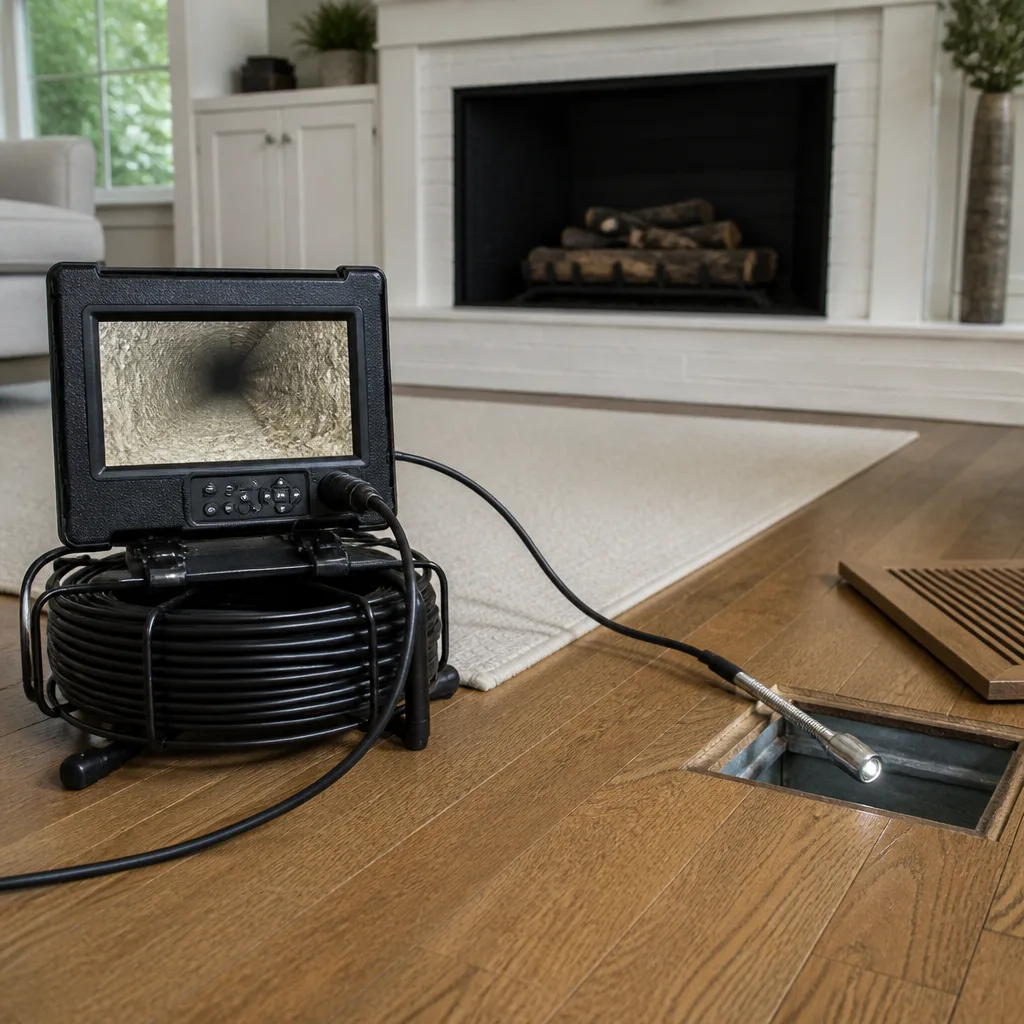 Camera inspection
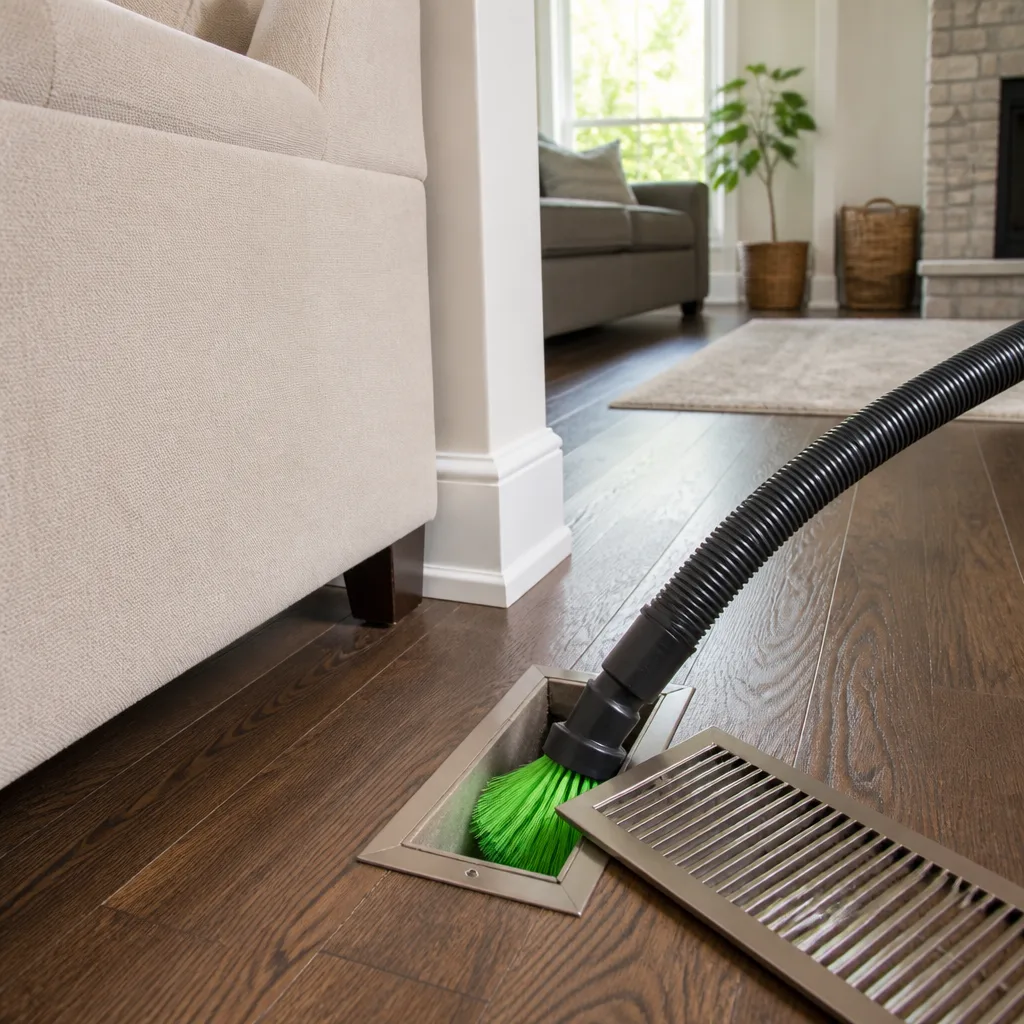 Sanitizing & deodorizing
Whole-system duct and dryer vent check with before-and-after photos - you see exactly what came out of your vents
That "$99 whole-house special" is a bait ad - the real number appears once they are in your hallway, or the "clean" is a shop-vac at the register. We photograph the inside of your ducts before and after instead.
How to Hire an Air Duct Cleaning Contractor in Bellevue: A Step-by-Step Guide
A $99 whole-house duct cleaning offer isn’t a deal. It’s a business model. The low headline price covers a brief pass with a portable vacuum, and the real invoice gets built on the job site, one upsell at a time, once your furniture is already pushed aside. Bellevue homeowners are a prime target for this because the market is affluent and busy, and plenty of out-of-area companies treat the Eastside as a weekend hunting ground. Here’s the part most homeowners never hear: Washington State has no license specific to duct cleaning, so nothing at the state level stops an untrained crew from hooking a shop vac to your registers. What protects you is knowing the questions to ask before anyone touches your system. This guide walks through certification checks, quote reading, equipment questions, and how a proper walkthrough should go.
Quick Answer
To hire an air duct cleaning contractor in Bellevue, verify a valid Washington State contractor registration, ask whether the crew is a NADCA member, request equipment details (truck-mounted negative pressure versus portable units), and demand an itemized written quote with a fixed price per system before work starts. A legitimate contractor inspects your system first, explains what they found, and gives you a written scope that matches what they’ll actually clean. Anyone quoting a headline price over the phone without seeing the system is selling a process, not a service.
Styles & brands we work with
- Whole-home duct cleaning
- Dryer vent cleaning
- Camera inspection
- Sanitizing & deodorizing
Table of Contents
- Why air duct cleaning is a harder hire in Bellevue than it looks
- Which certifications actually signal a competent contractor
- The Washington State registration lookup (and what it misses)
- Equipment questions that separate pros from pretenders
- How to read an air duct cleaning quote
- The job walkthrough: what should happen before work starts
- Bellevue housing, air quality, and why system size matters
- Red flags you’ll recognize on the phone
Why Air Duct Cleaning Is a Harder Hire in Bellevue Than It Looks
Bellevue has no specific municipal licensing for duct cleaning crews. Neither does King County. Washington State’s contractor registration program covers construction trades broadly, but it doesn’t certify duct cleaning as a specialty. That regulatory gap is the entire reason this guide exists. In a trade like electrical work or plumbing, you can lean on a licensing board to have filtered out the worst operators. With duct cleaning, the filtering is your job, and it happens entirely before the first appointment.
The equipment distinction matters more than most homeowners realize. Professional duct cleaning in Bellevue runs on negative pressure: a powerful vacuum source is connected to the main trunk, the system is put under suction, and agitation tools work the branch lines so loosened debris travels toward the vacuum rather than into your living room. Portable units can do this on a small scale, but for a 3,000 to 4,500 square foot Bellevue home with multiple zones and long branch runs, negative pressure from a truck-mounted or high-capacity unit is what actually keeps contamination contained.
Bellevue also sits in a climate where the heating season is long and the cooling season is short but real. That means your ductwork spends most of the year moving conditioned air, and it accumulates what the HVAC system pulls in. Add the pollen load from Eastside Douglas firs and cedars in spring, and the particulate inside a Bellevue system is genuinely a seasonal story, not a marketing line. When you hire someone to address that, you need to know they can handle the scale of your home, not just the easiest rooms to reach.
We operate on the principle that clean ducts are only half the job. Once we’re looking at a Bellevue system, we’re also looking at disconnected flex runs in the attic, gaps at the plenum, and dryer vent lines that have never been inspected. A contractor who can only vacuum is a contractor who leaves you with half a result.
Which Certifications Actually Signal a Competent Contractor
NADCA membership is the most meaningful credential to ask about. The National Air Duct Cleaners Association publishes the industry’s accepted assessment, cleaning, and restoration standards (the ACR standard), and members agree to follow them. NADCA also offers an Air Systems Cleaning Specialist (ASCS) certification for individual technicians. When a Bellevue contractor is a NADCA member and can name their ASCS-certified techs, that tells you they’ve committed to a documented process rather than a sales script.
EPA Section 608 certification is the one most homeowners never think to ask about, but it matters whenever a quote includes HVAC coil cleaning. Refrigerant handling is federally regulated, and any technician working on or near refrigerant lines needs Section 608 certification to do it lawfully. If a Bellevue company offers to “clean the coil while we’re in there” and can’t tell you who on the crew holds 608 certification, that’s your answer about the quality of their HVAC cleaning service.
Two other credentials worth asking about:
- Washington State contractor registration – every legitimate contractor has one. Look it up before you book.
- Manufacturer or equipment-brand training – Rotobrush and Nikro run their own training tracks. A crew that works with professional-grade equipment day in and day out develops real technique with it.
What you should not accept as a substitute for these: a BBB rating, a Google review count, or a “certified” badge on a website with no issuing organization named. Any company can call itself certified. Ask who issued it and what it required.
The Washington State Registration Lookup (And What It Misses)
Every contractor doing business in Washington State must hold an active contractor registration through the Department of Labor & Industries. The lookup is free and public. Use it before any Bellevue duct cleaning appointment. What the registration confirms is real but limited, and understanding the limits is important.
What the lookup verifies:
- The business is registered to operate legally in Washington State.
- There’s a bond on file at the required minimum for the registration class.
- There’s liability insurance on file at the required minimum.
- There’s a current Unified Business Identifier (UBI) number tied to the business.
What it does not verify:
- Whether the crew has any training in duct cleaning specifically.
- Whether the equipment is professional-grade or consumer-grade.
- Whether the work will follow NADCA standards.
- Whether the company is local or a seasonal operation from another state.
- Whether the technician arriving at your Bellevue home is an employee of the registered company or a subcontractor they dispatched.
That last point is the one that catches homeowners. Some companies register in Washington, then subcontract the actual work to whoever’s available. Your registration check tells you nothing about the crew that knocks on your door. When you book a Bellevue appointment, ask directly: “Will the technicians who arrive be employees of the company named on this quote?” The answer tells you whether you’re hiring a company or a dispatcher. For related context on how a proper system cleaning unfolds, see our page on air duct cleaning.
Equipment Questions That Separate Pros From Pretenders
Ask what equipment will be used. The answer should be specific. A legitimate Bellevue duct cleaning contractor will name equipment brands, describe negative pressure, and explain how agitation tools (whips, brushes, air skippers) work the branch lines. A company that says “industrial vacuum” and leaves it there is telling you they don’t want you to know.
The core distinction: truck-mounted high-capacity vacuum versus portable units. Truck-mounted systems pull far more air than portables, which matters once you’re beyond a small apartment or a single-zone home. For a Bellevue house with multiple branch runs on different floors, negative pressure has to be strong enough to hold across the whole system while technicians work each branch. Portable units can handle small systems, but their containment is more limited, and on larger homes the practical difference is real.
Questions to ask on the phone:
- What specific equipment will you bring – truck-mounted, portable negative-air, or both?
- How do you agitate debris in the branch lines (whips, brushes, air tools)?
- What kind of HEPA or containment setup keeps dust from backdrafting into my living space during the job?
- Will you take before-and-after photos of the inside of my ducts?
- If you find disconnected runs or gaps, do you repair and seal, or refer that out?
The fourth question alone separates the field. Companies using professional equipment like the Rotobrush system or Nikro units will happily photograph their work because the photos look good. Companies that run a shop vac down the register won’t, because the photos tell the story.
Bellevue homes often have a mix of rigid metal trunk lines and flexible branch runs to registers. Flex duct is easier to damage, and cheap agitation tools can tear the inner liner, which makes airflow worse than before. Ask how the crew handles flex runs specifically. If they can’t answer, they’ve never trained on it.
How to Read an Air Duct Cleaning Quote
An honest air duct cleaning quote has a fixed price per system, itemized by what’s being cleaned, with clear exclusions. Anything else is designed to move upward once the crew is in the driveway. Here’s what the line items should look like on a Bellevue quote, with typical estimated ranges for a mid-size home:
| Line item | Typical estimated range | What it should include |
|---|---|---|
| Main supply trunk cleaning | $180-$400 | Negative pressure on trunk, agitation of main runs |
| Branch supply line cleaning | $220-$500 | Per-branch cleaning with documented photos |
| Return duct cleaning | $120-$300 | Return trunk and register boots |
| Register and grille cleaning | $60-$180 | Removal, cleaning, and reinstall of each register |
| HVAC unit and coil cleaning | $180-$450 | Blower, cabinet interior, accessible coil (EPA 608 if refrigerant is involved) |
| Dryer vent cleaning | $120-$260 | Full line from dryer to exterior termination |
| Duct repair and sealing | $240-$700 | Reconnecting runs, sealing gaps at the plenum |
| Air sanitizing treatment | $140-$400 | Contaminant treatment using professional-grade systems |
These ranges are estimates. The written estimate sets the final price. What matters when you’re comparing two Bellevue quotes is the structure, not the total. If one quote is $199 and another is $850, the difference usually isn’t price – it’s scope. The $199 quote probably covers a “main trunk only” pass. Ask directly what’s excluded. If the answer is “everything past the first branch,” you now know why it was cheap.
Language that should make you pause:
- “Whole house” without a rundown of what that includes.
- “Up to a certain number of vents” – a per-vent cap is the set-up for the upsell.
- “Additional services quoted on-site” with no range given in writing.
- Any quote that doesn’t mention return lines, because airflow is only as good as both sides.
If HVAC coil cleaning is offered, that’s where a capable contractor stands apart. Coil cleaning touches refrigerant and electrical components, and it’s the one service in the duct cleaning world that has real regulatory weight behind it. Our HVAC cleaning work treats the coil and blower cabinet as part of the system, not an add-on. If a Bellevue quote offers “coil spray” without mentioning 608 certification, ask who’s doing the work and what they’re certified for.
The Job Walkthrough: What Should Happen Before Work Starts
A professional Bellevue duct cleaning walkthrough happens before any quote is finalized, and before any equipment is unloaded. Here’s what it looks like, step by step.
- System count and layout. The estimator should identify how many HVAC systems feed the house, how many supply and return registers exist, and where the trunks run (attic, crawlspace, closet, chase). A 1990s-built Bellevue home on Education Hill might have one system, while a newer tear-down/rebuild in West Bellevue might have two or three.
- Register count verification. They should count every supply and return register with you, on the spot, and write the number into the quote. If the quote and the actual count don’t match, the price shifts and you’re back to upsell territory.
- Visual inspection inside the system. That means pulling a register or two, looking at the plenum and coil cabinet, and inspecting a branch line with a camera or by hand. If a contractor quotes without looking inside the ducts, ask why.
- Condition assessment. Are there disconnected runs in the attic? Gaps at the plenum? Flex duct that’s collapsed? Debris in the return? A real walkthrough flags these before the price is set.
- Airflow and system check. They should note filter condition, blower cleanliness, and whether the coil looks contaminated. That’s the difference between “we’ll vacuum the ducts” and “we’ll address the system.”
- Written scope. You should leave the walkthrough with a written quote that lists every line item, an explicit price per system, and a clear list of what’s not included.
- Before photos. A capable crew takes photos of the system condition before starting work and shows you the results after. This is what actually verifies the job was done.
We’ve seen the alternative, and it’s always the same shape: a phone quote, a crew that arrives expecting a large invoice to grow, and a homeowner standing in the driveway trying to figure out what changed. A proper walkthrough takes 20 to 40 minutes in a Bellevue home, and it’s the only way a contractor can quote honestly.
Bellevue has a real mix of housing stock – mid-century homes in Crossroads and Lake Hills, newer construction in Sammamish-adjacent neighborhoods, and larger rebuilds throughout West Bellevue. Each of those layouts has different duct work. A walkthrough catches those differences. A phone quote can’t.
Bellevue Housing, Air Quality, and Why System Size Matters
Bellevue’s housing runs from compact 1950s ramblers in Lake Hills to 6,000 square foot estates overlooking Lake Washington. The system in a compact home is easy to clean and easy to inspect. The system in a larger Bellevue home is often a multi-zone setup with two or three air handlers, long branch runs, and flex duct to remote registers. That difference isn’t cosmetic – it changes the equipment required, the time on site, and the price.
The climate here shapes what accumulates in those ducts too. Bellevue’s long, wet heating season means the furnace runs hard from fall through spring, and the return side pulls in whatever’s floating around inside the home. For homes near the lake or tucked into the wooded neighborhoods around Cougar Mountain, pollen and fine organic particulate are constantly entering the return and settling in the system. Over time, the buildup becomes the source rather than the sink.
Bellevue’s allergy season starts in late winter with cedar and alder, then rolls into Douglas fir and grass pollen by late spring. If the ducts have accumulated a season’s worth of that and the system is running on recirculation, the effect is obvious the first warm week of the year. That’s when most Bellevue homeowners decide to book. If that’s you, our Bellevue Air Duct Cleaning Co team pulls the whole picture together rather than treating the ducts as an isolated job.
The other Bellevue-specific issue: air quality and moisture. We use Abatement Technologies equipment for sanitizing and contaminant control because the local humidity in shoulder seasons is enough to keep organic material in duct systems biologically active. That’s not a sales pitch – it’s why sanitizing after cleaning is worth asking about, especially if your system sat through a wet winter on the return side.
Red Flags You’ll Recognize on the Phone
The phone call is where the entire hire gets decided. Here are the signals that the company isn’t being straight with you:
- “Book today for a discount.” Legitimate contractors don’t price by urgency. If the offer only holds if you commit before you’ve seen a walkthrough, it’s a pressure tactic.
- Headline price with no scope. “$99 whole-house special” means something was left out of the scope. Ask what, and watch whether the answer is vague.
- “We’ll need to see it to quote.” That’s actually the honest answer, but only if it’s paired with a written quote before work starts. If they see it, quote it, and start within ten minutes, you’re not being quoted – you’re being sold.
- No local address or business identity. A business with a PO box, no website, and no WA registration is not a Bellevue business in any meaningful sense. Ask for the UBI number and verify it.
- No mention of NADCA or technician certifications. Competent contractors volunteer this. If you have to ask three times, that’s the answer.
- Pricing per vent. Per-vent pricing exists because it maximizes the upsell. A whole-system price, agreed in writing, doesn’t leave that room.
- No before-and-after verification. Ask directly: “Will you show me photos of my ducts before and after?” A company using Rotobrush or Nikro equipment should be able to say yes without hesitation.
One more: if the crew shows up without any way to inspect inside the ducts (no camera, no access panel, no demonstration of negative pressure), the cleaning method is a mystery to them as well as to you. That’s not the contractor you want.
Common Mistakes to Avoid
- Hiring on the lowest quote. The lowest Bellevue quote almost always reflects the smallest scope, and the difference gets added on the invoice once the truck’s parked. Compare what’s included line by line, not the total.
- Skipping the walkthrough. A phone quote in a market with this much housing variety is guesswork. Insist on a walkthrough before the estimate is final.
- Not asking about the return side. The supply ducts get the attention; the return ducts get the contamination. Any scope that omits returns leaves half the system untouched.
- Treating duct cleaning as a one-time event. Bellevue systems accumulate debris every heating season, and scheduling an inspection every few years keeps the system doing what it’s supposed to do. If the ducts were cleaned but the system still runs poorly, the repair and sealing side is where it gets fixed.
- Ignoring the dryer vent. The dryer vent is a separate system, and it’s the one where a neglected line becomes a real safety concern. It should be on the walkthrough as its own item, not a bolt-on at the end. Our dryer vent cleaning work treats it as a distinct inspection with its own verification.
- Assuming a shop vac and a hose means “professional cleaning.” Consumer-grade vacuums can’t generate the negative pressure needed to lift settled debris out of a trunk line. If the equipment is a wet/dry vac, the price shouldn’t be more than the equipment.
- Not verifying who shows up. Confirm that the technicians on site are employees of the company you hired, not subcontracted labor. That’s the only way the standards you vetted actually reach your home.
See the difference
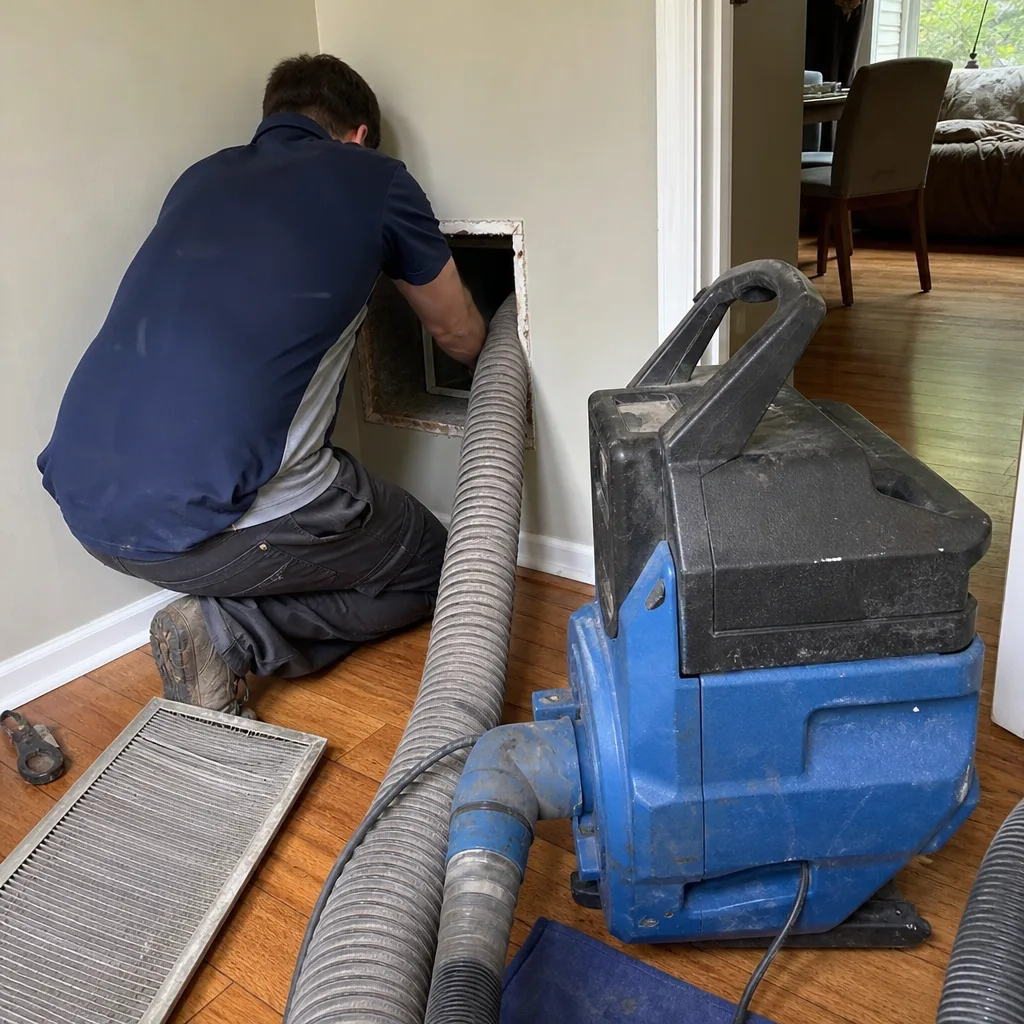 Before
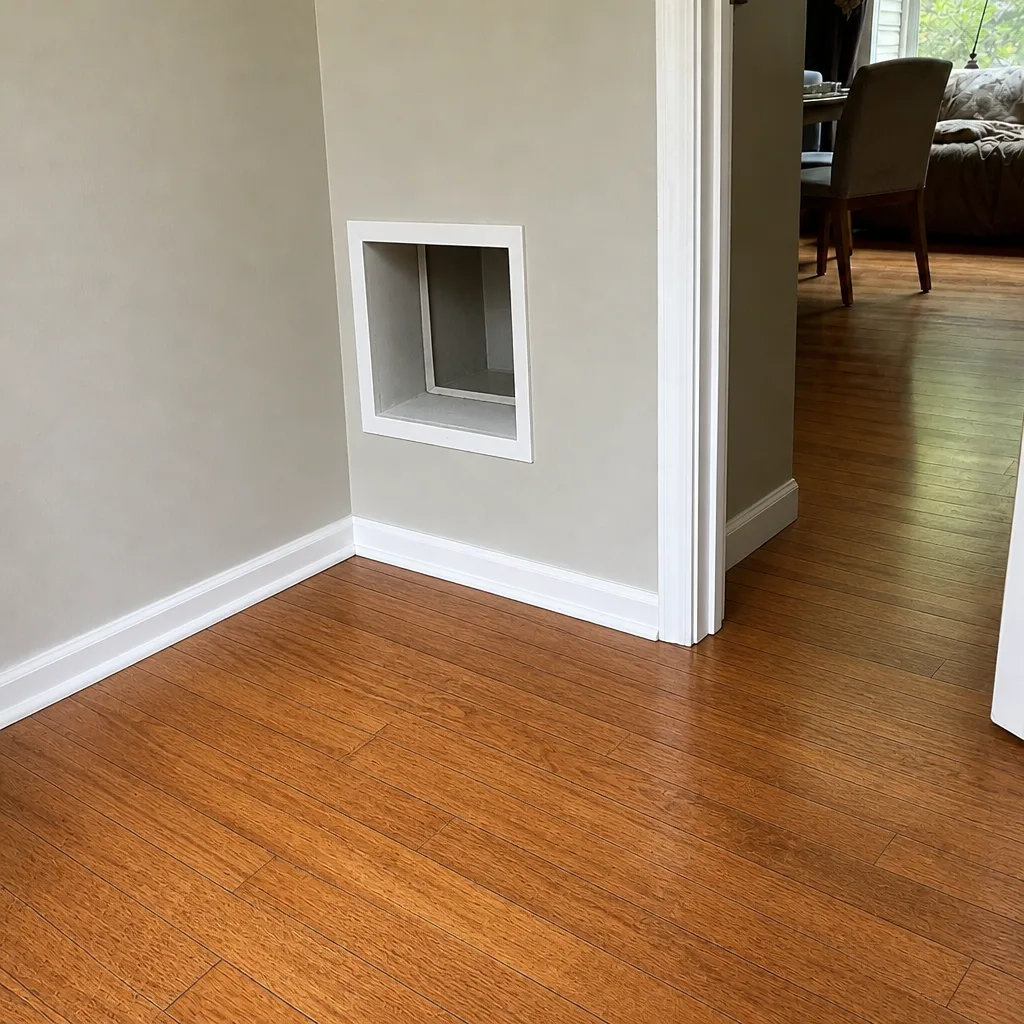 After
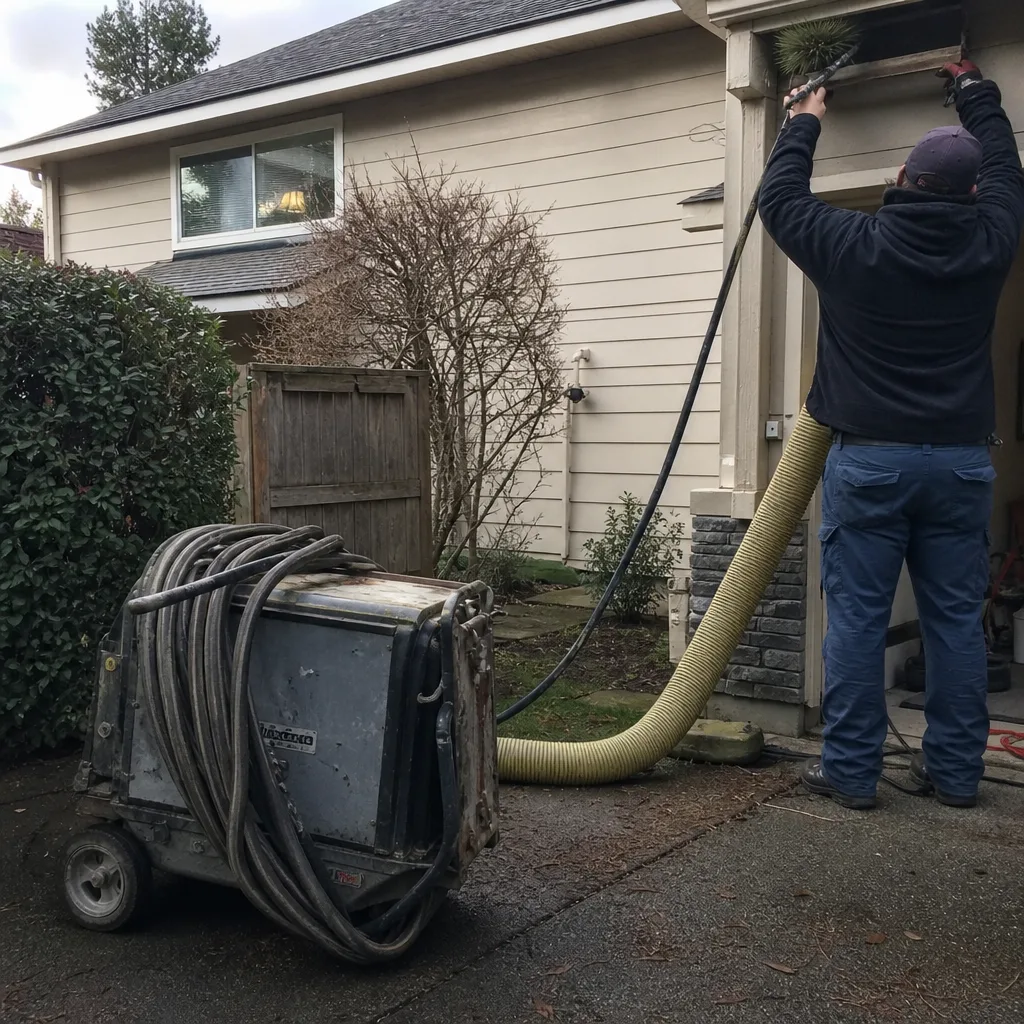 Before
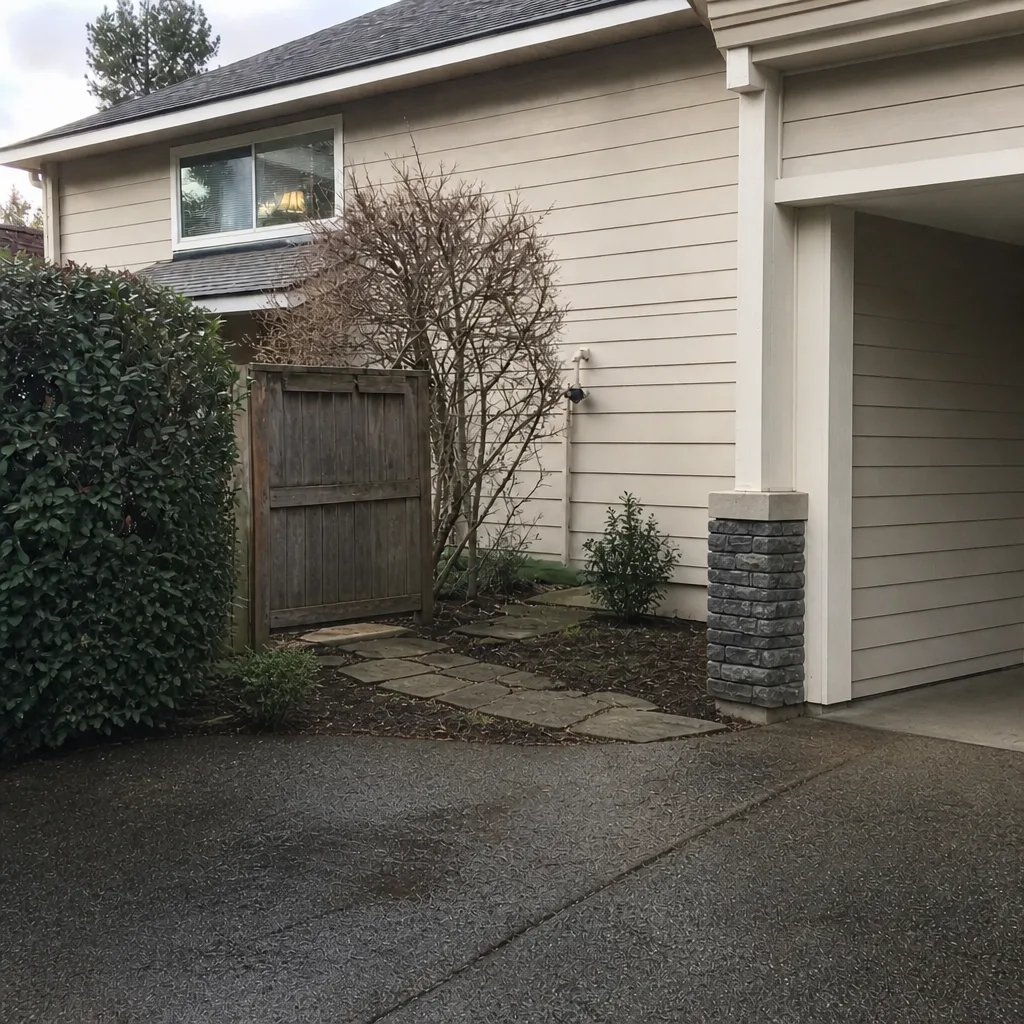 After
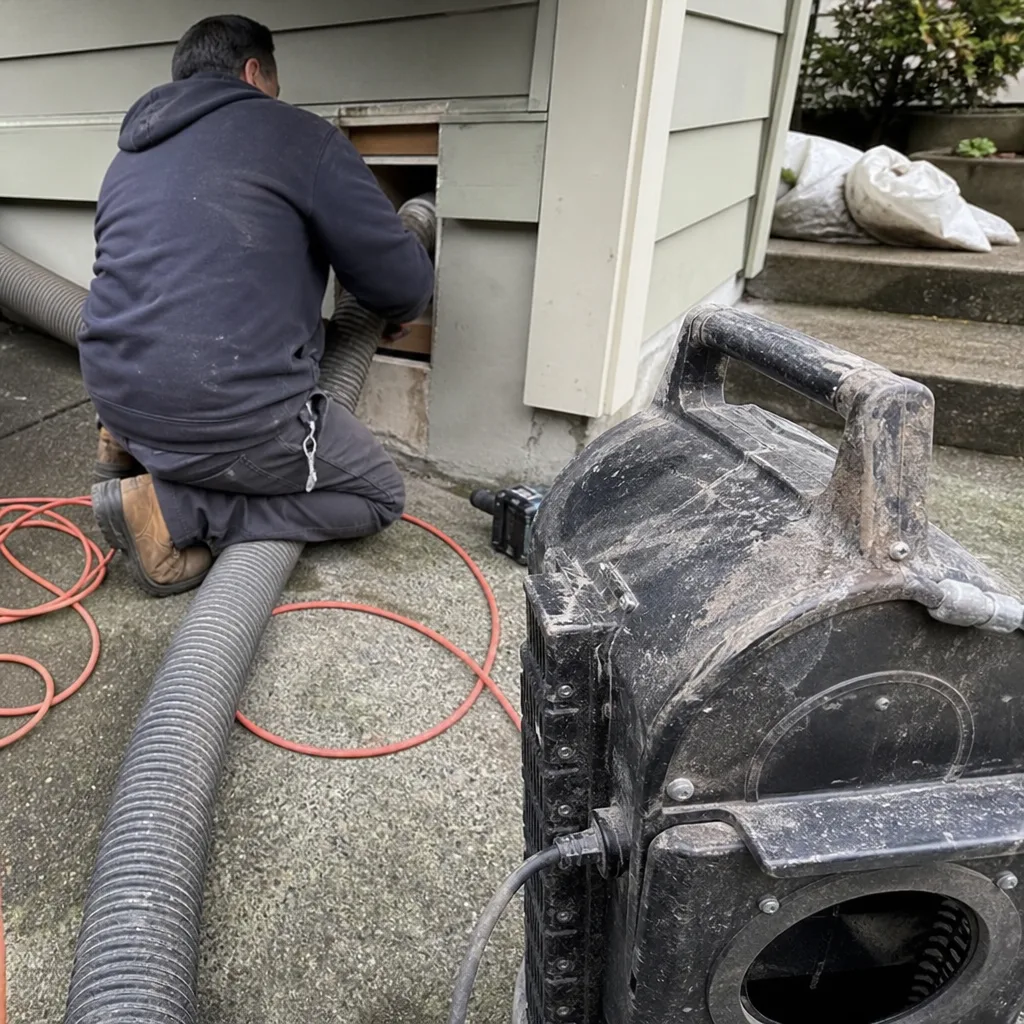 Before
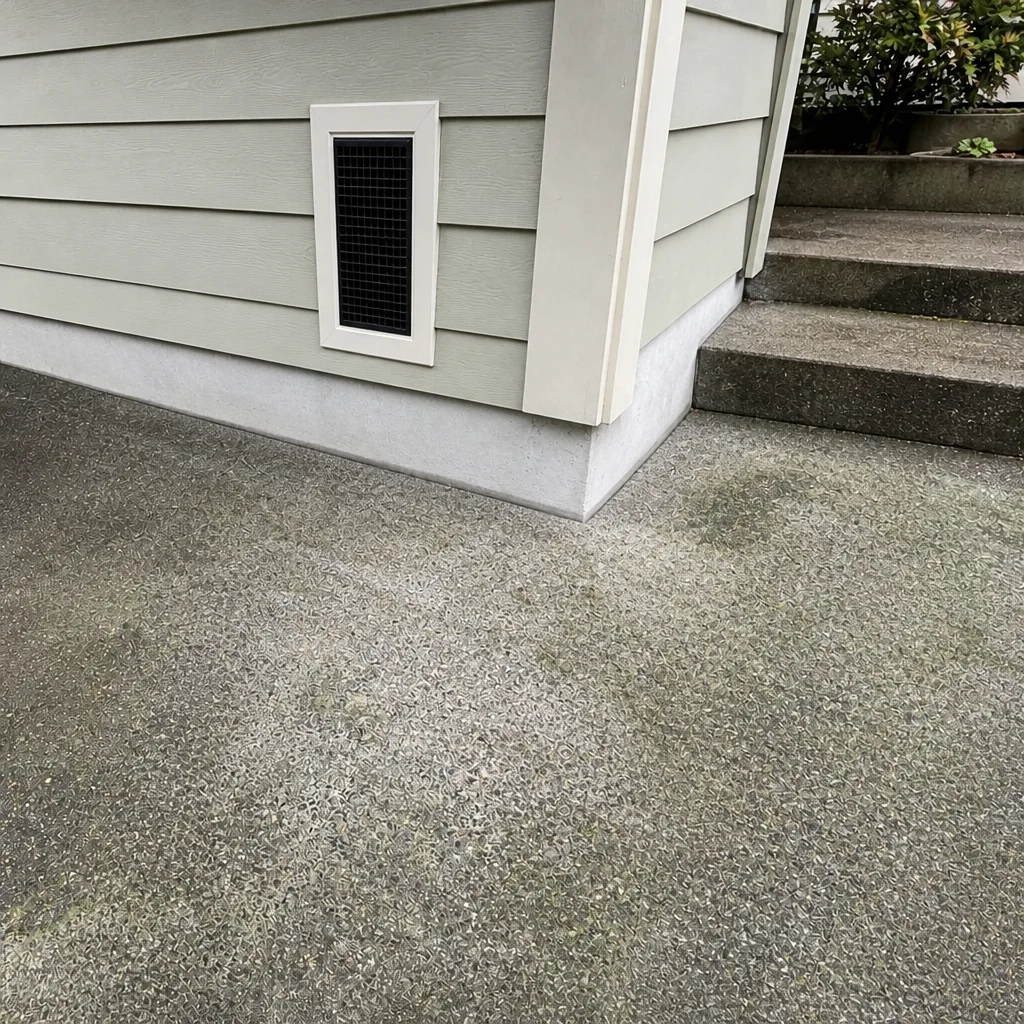 After
When to Call a Professional
Book an inspection when you notice a musty smell coming from the supply registers – especially on the first heat cycle of the season after a wet Bellevue winter. Call if allergy symptoms flare up in the house but ease when you’re away. Call if airflow is uneven between rooms, if some registers barely push air at all, or if you can see visible dust buildup on the return grilles. If you’ve just moved into a Bellevue home and don’t know the duct history, a walkthrough is the sensible starting point. Same if you’ve had recent remodeling, water intrusion, or pest activity in the attic. Bellevue Air Duct Cleaning Co offers free estimates in Bellevue. Call (888) 845-6042. We answer 24/7. Fast dispatch from 7am to 7pm, Sunday through Friday. The estimate is free, the price is set per job by the written estimate, and it’s agreed before work starts.
Frequently Asked Questions
Typical estimated whole-system air duct cleaning in Bellevue runs from about $600 to $1,900 for a standard single-system home, and more for multi-system houses in West Bellevue or larger properties. The range depends on the number of systems, branch runs, and added services like coil cleaning, sealing, or sanitizing. Ranges are estimates; the written estimate sets the final price. Call (888) 845-6042 for an exact quote. Estimates are free.
Cheap quotes are usually smaller scopes, not better prices. A $99 offer typically covers a brief trunk-line pass with a portable unit and leaves returns, branch runs, and agitation out of the scope, then prices those items on-site. Ask any low-quote contractor for a written line-item scope, and compare what’s actually included. Call (888) 845-6042 for a written quote with a fixed price per system.
Before-and-after photos taken inside your own ducts, at each register and on the trunk, are the verification that matters. A contractor using professional-grade Rotobrush or Nikro equipment will take those photos as part of the process. Any company that won’t show documentation of the work they did is asking you to take the invoice on trust. Call (888) 845-6042 to book a walkthrough and see the process before you commit.
Most Bellevue homes do well with an inspection every 3 to 5 years, and cleaning only when the inspection shows meaningful accumulation. Homes with pets, recent remodeling, or allergy-sensitive occupants may need it more often. The honest answer is that cleaning is driven by what the inspection finds, not by a fixed schedule. Call (888) 845-6042 for a free inspection estimate.
No. Washington has no license specific to duct cleaning, though every contractor doing business here needs a valid state contractor registration through Labor & Industries. That registration confirms bonding and insurance but says nothing about duct cleaning training or equipment quality. For that, ask about NADCA membership and ASCS certification. Call (888) 845-6042 to ask about ours.
Yes, if both systems need attention, because the two jobs share the same inspection and walkthrough time. Dryer vent cleaning is a separate system from the air ducts, and it’s the one where a neglected line becomes a real concern. A capable contractor scopes both at the same visit. Call (888) 845-6042 for a free estimate on either service.
The Bottom Line
Bellevue’s lack of duct cleaning licensing means the questions you ask before booking are the entire firewall. Verify the WA contractor registration, ask about NADCA membership and EPA 608 for any coil work, get a walkthrough before a final quote, insist on professional-grade equipment rather than a shop vac, and read the quote for scope not just total. A contractor who does all of these things will show you photos of the inside of your ducts without being asked, and will give you a fixed price per system in writing before work starts. If the hire checks out, the cleaning is straightforward. Our technicians have up to 12 years of experience with these systems in Bellevue.
Call (888) 845-6042. We answer 24/7. Fast dispatch from 7am to 7pm, Sunday through Friday. Estimates are free, the price is set per job by the written estimate, and the scope is agreed before any work begins.
Written by the team at Bellevue Air Duct Cleaning Co.